 27
Aug,2026
27
Aug,2026
Ergonomic Chair Setup & Compatibility Checker
Answer the following questions about your current workspace. This tool calculates a "Spinal Strain Risk" score based on common mistakes identified by chiropractors.
Your lower back is screaming after an eight-hour shift at a desk. You’ve tried cushions, stretches, and even standing desks, but the dull ache persists. This is where ergonomic office chairs are seating solutions designed to maintain the natural curvature of the spine and reduce musculoskeletal strain during prolonged sitting. Chiropractors don’t just look for a comfortable seat; they look for specific mechanical features that actively support your lumbar region is the lower part of the spine consisting of five vertebrae (L1-L5) that bears most of the body's weight. If you are searching for what chairs do chiropractors recommend for back pain, you need to understand the mechanics behind spinal alignment, not just marketing buzzwords.
The Anatomy of a Chiropractor-Approved Chair
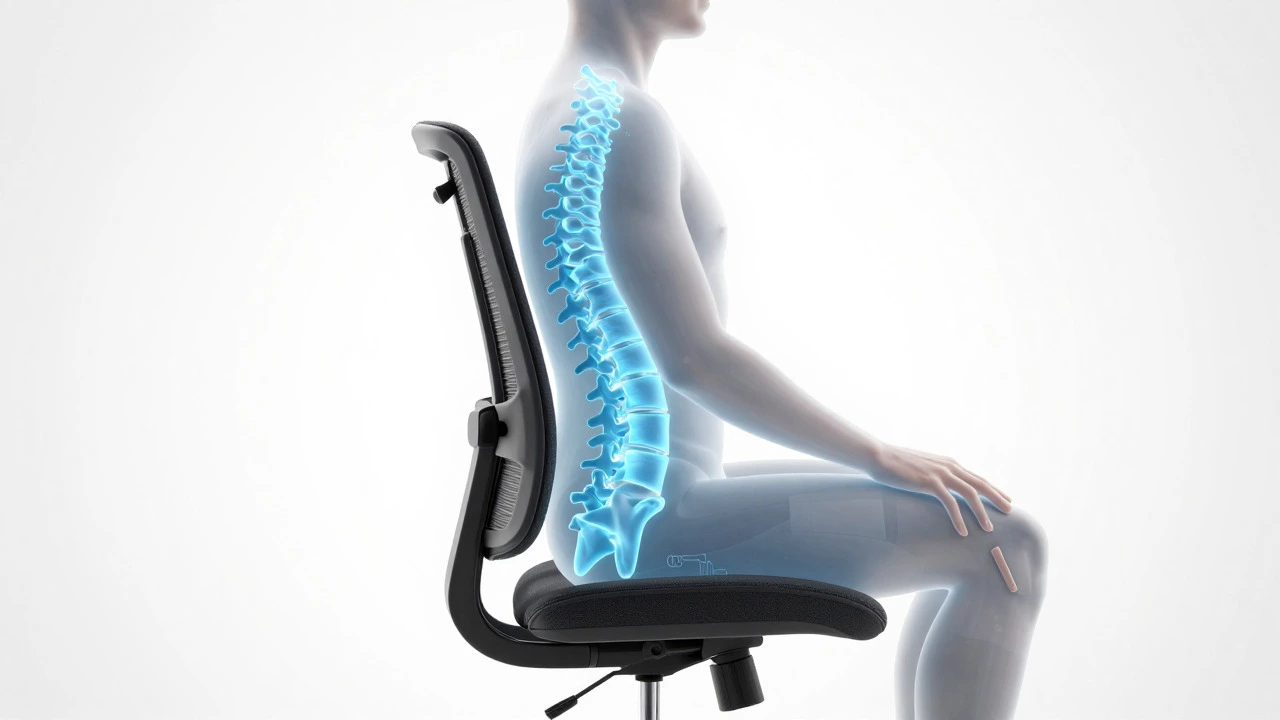
When a chiropractor evaluates a chair, they are essentially checking if it forces your spine into a neutral position. A neutral spine means your ears, shoulders, and hips are aligned vertically without excessive slouching or arching. The first critical feature is adjustable lumbar support is a contoured mechanism in the chair backrest that supports the inward curve of the lower spine. Static foam pads often fail because they don't move with you. Instead, look for dynamic lumbar systems that allow vertical adjustment. This ensures the support meets your natural curve whether you are leaning forward to type or reclining to think.
Next, consider the seat depth. If the edge of the seat presses against the back of your knees, it cuts off circulation and forces your pelvis to tilt backward, flattening your lower back. The ideal rule of thumb is to leave about two to three fingers of space between the front edge of the seat and the back of your knees. This allows your pelvis to remain in a neutral, slightly anteriorly tilted position, which naturally maintains the S-curve of your spine.
Key Features That Prevent Spinal Compression
Sitting creates significant pressure on your intervertebral discs. Standing exerts roughly 100% of your body weight on your spine, while sitting can increase that pressure to 140%. To counteract this, chiropractors prioritize chairs with active mechanisms rather than passive padding. Here are the non-negotiable features:
- Adjustable Armrests: Four-dimensional armrests (height, width, depth, and pivot) keep your elbows at a 90-degree angle. This prevents shoulder hunching, which pulls the upper spine out of alignment and creates tension headaches.
- Recline Mechanisms with Tilt Locks: A fixed upright position is static and leads to fatigue. A quality chair allows you to recline up to 135 degrees. When you lean back, the weight distribution shifts from your lower back to the chair’s backrest, reducing disc compression.
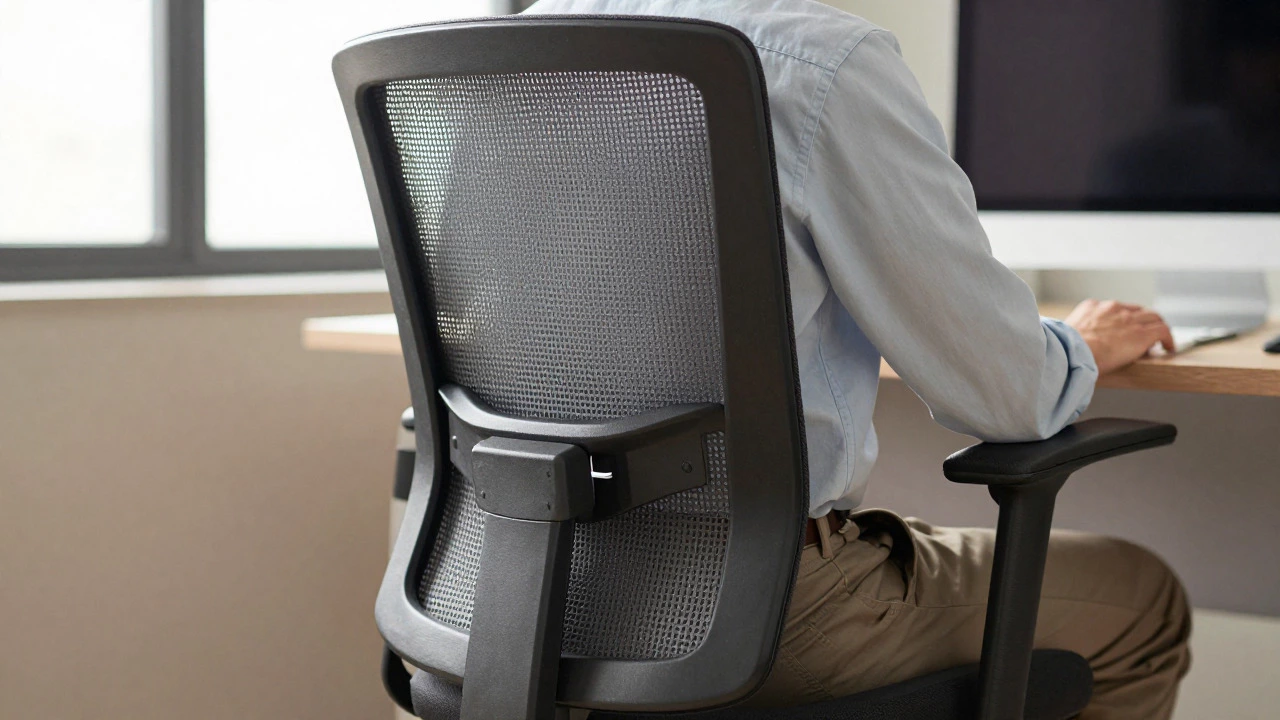
- Breathable Mesh Backs: While not directly structural, heat retention causes muscle tension. Mesh materials allow airflow, keeping muscles relaxed and preventing the stiffness that exacerbates back pain.
Comparing Popular Ergonomic Models
Not all ergonomic chairs are created equal. Some prioritize aesthetics over function, while others offer clinical-grade adjustability. Below is a comparison of models frequently cited by healthcare professionals for their ability to support spinal health.
| Model | Lumbar Support Type | Seat Depth Adjustment | Best For |
|---|---|---|---|
| Herman Miller Aeron | PostureFit SL (Dynamic) | No (Fixed) | Users who prefer firm support and high-end durability |
| Steelcase Leap V2 | LiveBack (Adaptive) | Yes | Long-duration sitting and varied postures |
| AutoFull Humanscale Freedom | Integrated Lumbar | Yes | Budget-conscious users needing solid basic support |
| Secretlab Titan Evo | Magnetic Neck Pillow + Lumbar | No | Gamers and hybrid workers wanting comfort features |
The Herman Miller Aeron is a premium ergonomic office chair known for its Pellicle mesh material and PostureFit lumbar support system. It is often the gold standard in clinical recommendations due to its rigid frame that enforces good posture. However, some users find the mesh too firm initially. In contrast, the Steelcase Leap V2 is an ergonomic chair featuring LiveBack technology that mimics the natural movement of the human spine. Its adaptive nature makes it excellent for people who shift positions frequently throughout the day.
Setting Up Your Chair: The Chiropractic Checklist
Owning the right chair is only half the battle. How you configure it determines whether it helps or hurts. Follow these steps to set up your workspace for optimal spinal health:
- Set Seat Height: Your feet should rest flat on the floor. If your legs dangle, use a footrest. Dangling feet force your hips to slide forward, losing lumbar contact with the chair.
- Adjust Lumbar Support: Sit deep in the chair. Adjust the lumbar knob until you feel gentle pressure against the small of your back. It should feel like a supportive hug, not a hard push.
- Position Armrests: Raise them so your forearms are parallel to the floor. Your shoulders should be relaxed, not shrugged up toward your ears.
- Check Screen Distance: Your monitor should be at eye level, about an arm’s length away. Looking down at a laptop strains the neck and upper back, compounding lower back issues.

Common Mistakes That Invalidate Good Seating
Even the best chair can cause pain if used incorrectly. One major mistake is sitting for more than 60 minutes without moving. Chiropractors emphasize that "sitting is the new smoking" when done statically. Set a timer to stand up, stretch, or walk around every hour. Another error is ignoring your core engagement. Passive sitting relies entirely on the chair. Active sitting involves gently engaging your abdominal muscles to help support the spine, reducing the load on the chair’s mechanisms.
Additionally, avoid using thick memory foam cushions on top of an ergonomic chair. These often compress unevenly and create a false sense of security, leading you to slump deeper into the seat. Trust the engineering of the chair itself.
Frequently Asked Questions
Do I need a chiropractor-prescribed chair?
No, you don't need a prescription. However, consulting a chiropractor can help identify specific weaknesses in your spine. They can tell you if you need extra lateral support or if a particular type of lumbar mechanism suits your condition better than another.
Is mesh better than leather for back pain?
Generally, yes. Mesh provides consistent support and breathability. Leather can become hot, causing muscle tension, and may wear out faster, leading to uneven support over time. For strict spinal alignment, mesh is usually preferred by clinicians.
How long does it take to adjust to a new ergonomic chair?
Most people experience a transition period of one to two weeks. Your muscles have adapted to poor posture, so correct posture may initially feel uncomfortable or tiring. Stick with it; the discomfort usually subsides as your muscles strengthen in the new alignment.
Can a standing desk replace an ergonomic chair?
It complements it, but doesn't fully replace it. Alternating between sitting and standing is ideal. Prolonged standing has its own risks, such as varicose veins and lower back fatigue. Use both to distribute physical stress throughout the day.
What is the minimum budget for a chiropractor-recommended chair?
You can find decent ergonomic chairs with basic lumbar support starting around $300-$500 AUD. Premium models with advanced dynamic support range from $800 to $2,000+. Focus on adjustability rather than brand name if you are on a tighter budget.