 13
Sep,2026
13
Sep,2026
Is Your Corner Sofa Dated? Style Audit
Answer these questions honestly to see where your living room stands in the 2026 design landscape.
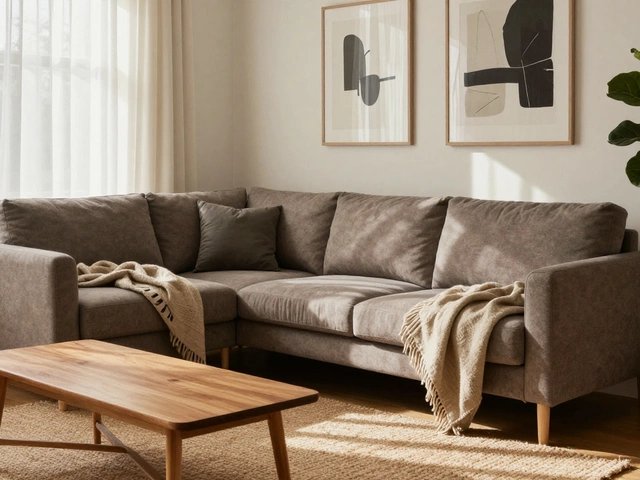
You walk into a friend's house in Melbourne, and there it is: a massive L-shaped beast dominating the lounge room. Some people see comfort; others see a relic from the early 2000s. The question "are corner sofas dated" pops up constantly on home renovation forums and Instagram comments. But here is the truth: the corner sofa isn't dead. It has just evolved. If you are still picturing those bulky, overstuffed beige monstrosities that took up half your parents' living room, you are looking at the wrong version of history.
In 2026, interior design has shifted toward functionality and fluidity. We aren't trying to fill empty corners anymore; we are trying to define zones in open-plan homes. A well-chosen sectional can actually make a small apartment feel larger and a large house feel cozier. The key isn't whether the shape exists, but how you style it. Let's break down why this piece of furniture survives, when it fails, and how to pick one that looks current rather than cliché.
The Evolution From Bulky Block to Sleek Sectional
Why does the stigma exist? Because for two decades, the default corner sofa was a mistake. Designers in the late 90s and early 2000s prioritized volume over proportion. These sofas had deep seats (often 30 inches or more), low backs, and arms that looked like rolled pillows stuffed with concrete. They were designed to swallow you whole. When you placed one in a modern, minimalist room, it looked like an alien spaceship landed on your rug.
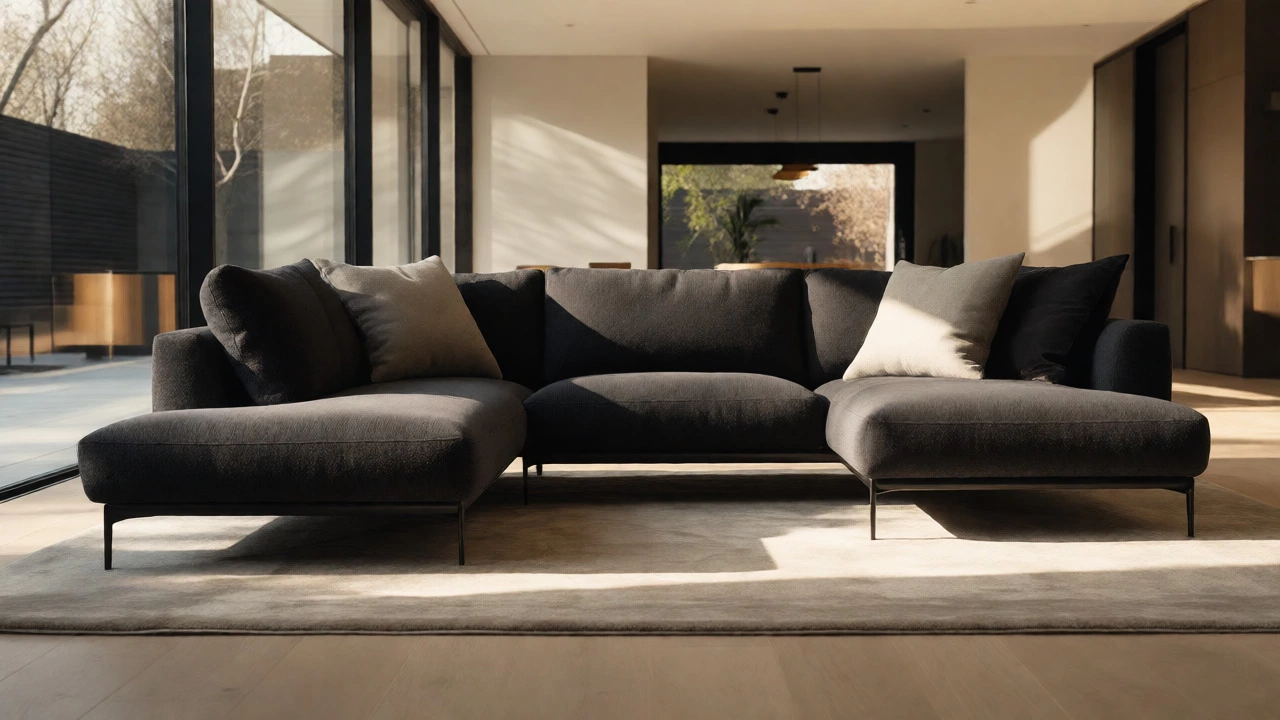
Today, manufacturers have learned their lesson. Modern sections focus on clean lines and exposed legs. You will see frames made of light oak, black steel, or brushed brass. The cushions are tighter, offering support rather than sinking you into a coma. This shift matters because it changes the visual weight of the object. A contemporary sectional floats. An old-school one sits heavy. If you want to avoid the "dated" label, look for pieces that show air underneath them. That simple detail signals modernity instantly.
Modular Sectionals are configurable seating systems composed of individual units that can be arranged in various shapes, including L-shapes, U-shapes, or chaise configurations. Unlike fixed-frame sofas, they allow homeowners to adapt their layout as needs change, making them a cornerstone of flexible modern interiors.
When Corner Sofas Work Best (And When They Don't)
Let's get practical. Not every room wants a corner unit. In fact, forcing one into the wrong space is the fastest way to make it look outdated. Here is the rule of thumb: if your room is narrow, avoid the L-shape. Instead, use two separate sofas facing each other. This creates a conversation area without blocking traffic flow. Conversely, if you have a wide, open-plan kitchen-living area, a corner sofa acts as a natural divider. It anchors the seating zone without needing a physical wall.
Consider the size of your household. Do you host movie nights where everyone sprawls out? Then yes, the extra length is valuable. But do you prefer formal dining setups or frequent reconfiguration? A rigid corner might lock you in. Modular options solve this by letting you detach the chaise or move the armless chair to another spot. Flexibility is the new luxury. If you cannot rearrange your sofa, you are fighting against the current trend of adaptable living.
| Feature | Modern Corner Sofa | Traditional Three-Seater |
|---|---|---|
| Space Efficiency | High (utilizes dead corners) | Medium (leaves gaps) |
| Social Flow | Encourages group interaction | Better for side-by-side viewing |
| Movement | Often modular/rearrangeable | Fixed position |
| Aesthetic Weight | Can appear lighter with slim profiles | Visually compact |
| Best For | Families, open plans, lounging | Small rooms, formal settings |
Design Mistakes That Make Sections Look Old-Fashioned
If you buy a modern sectional but style it poorly, it will still look dated. The biggest culprit? Clutter. People tend to treat corner sofas as storage units for blankets, kids' toys, and laundry piles. When the clean lines disappear under a mound of fabric, the sophisticated silhouette vanishes. Keep the seat clear. Use a basket nearby for clutter instead of piling it on the cushions.
Another trap is color matching everything. Back in the day, we matched the sofa to the curtains and the carpet. Now, contrast is king. If your walls are neutral, go bold with the upholstery-or vice versa. A charcoal grey sectional in a white room looks sharp. A beige sectional in a beige room looks invisible and tired. Texture also plays a huge role. Velvet, boucle, and performance linen add depth that flat microfiber lacks. If your sofa feels slippery and shiny, it likely reads as cheap and older.
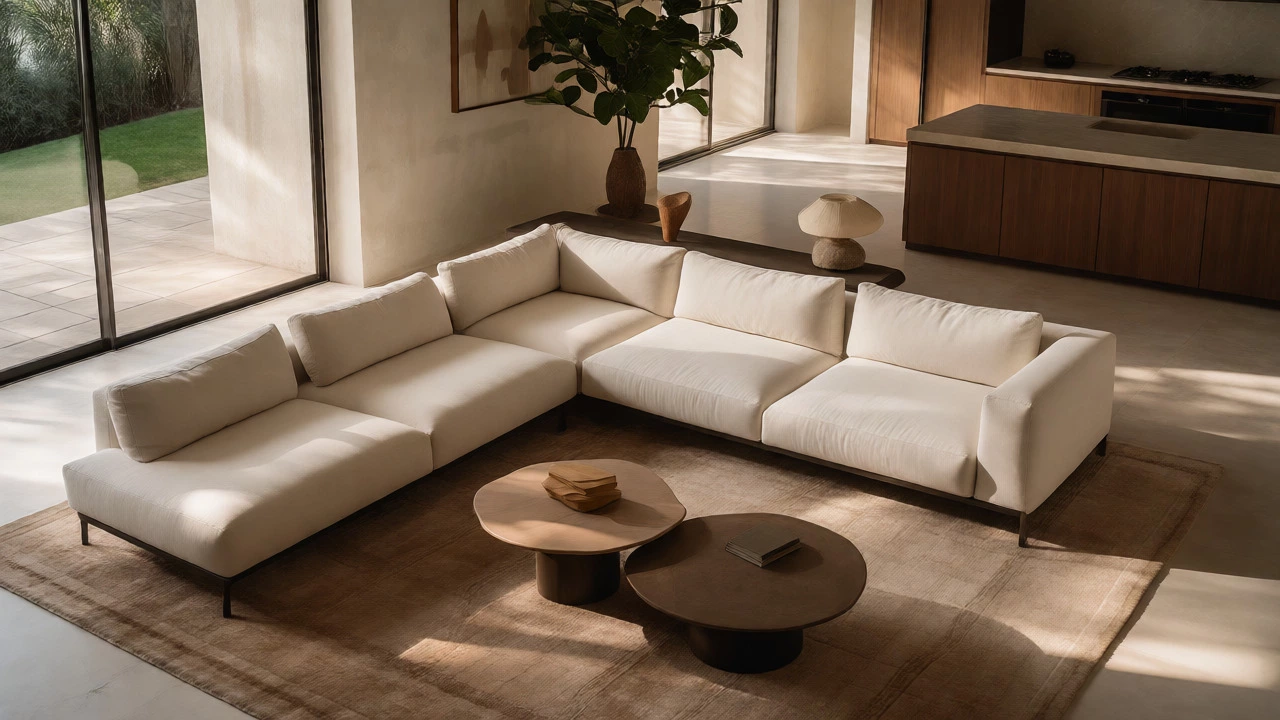
Placement matters too. Pulling the sofa flush against the back wall often makes it look like it is hiding. Floating the sectional slightly off the wall, perhaps with a console table behind the backrest, adds sophistication. It shows you aren't afraid of space. This technique works particularly well in Australian suburban homes where living rooms often connect directly to patios. It maintains sightlines to the outdoors while defining the indoor zone.
Material Trends Defining 2026 Interiors
The material you choose says more about the era than the shape does. Synthetic fabrics like polyester blends dominated the 2010s. They were durable but often lacked character. In 2026, we are seeing a return to natural fibers and high-tech sustainable textiles. Bouclé wool is having a major moment because of its tactile appeal. It softens the hard edges of modern architecture.
Performance fabrics are also standard now. Brands like Crypton or Sunbrella offer stain resistance without sacrificing breathability. This is crucial for families with pets or children. You don't need to worry about spills, so you can choose lighter colors. Lighter colors generally make a large sectional feel less imposing. Dark leather, once a status symbol, can feel cold and corporate unless styled with warm woods and rugs. If you stick with leather, opt for matte finishes over glossy ones.
Bouclé Fabric is a textured textile characterized by looped yarns, creating a nubby, cozy surface that has become a staple in contemporary residential design for its warmth and durability.
How to Style Your Corner Sofa for a Modern Look
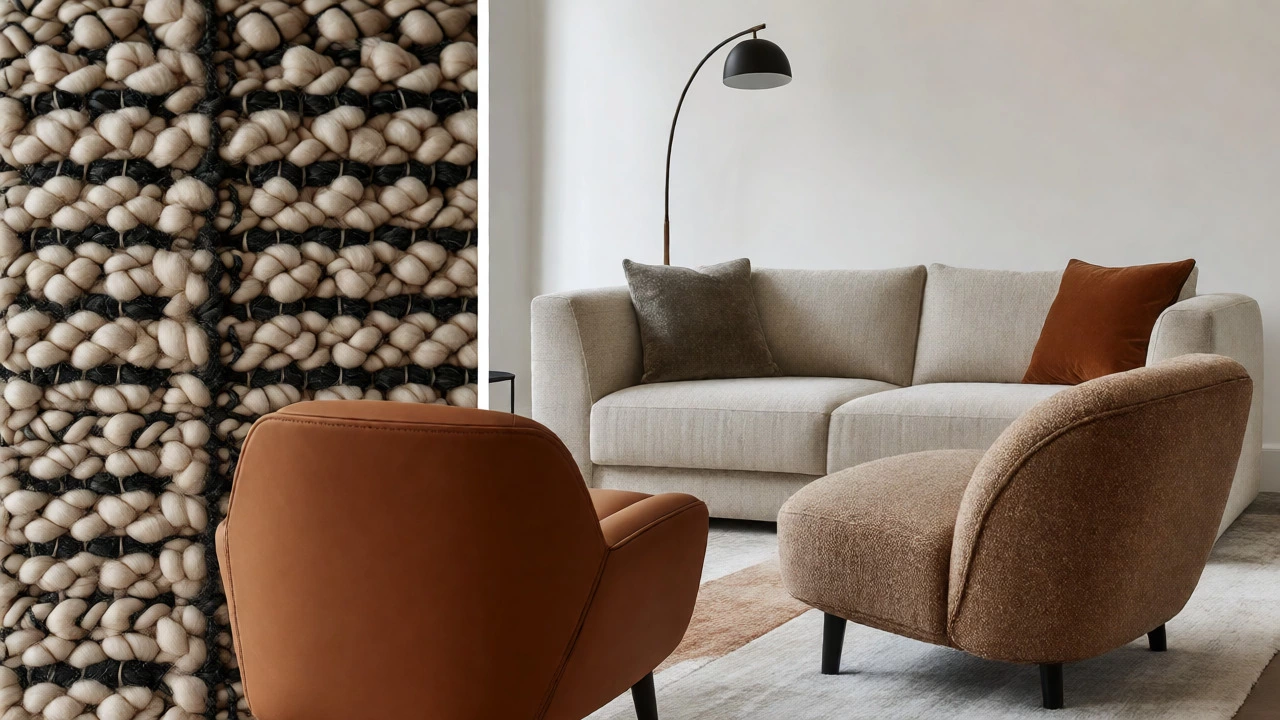
You already own a corner sofa? Good. You don't need to replace it to update the vibe. Start with the rug. Many people place a tiny rug under just the front legs of the sofa. This looks accidental. Instead, ensure the rug is large enough that all front legs sit comfortably on it, or even the entire sofa. This grounds the piece and defines the area. Choose a rug with a subtle pattern or texture to break up the monotony of the sofa fabric.
Lighting is your secret weapon. Floor lamps should flank the ends of the sectional, not hover awkwardly in the middle. Arc lamps work well because they reach over the back of the sofa to provide task lighting without occupying floor space near the walking path. Add throw pillows strategically. Avoid the symmetrical "two on each end" look. Go for asymmetry: three pillows on the long side, one on the short side. Mix sizes and textures-linen, velvet, knitted cotton. This curated chaos feels lived-in and intentional, not messy.
Finally, consider the coffee table situation. With a corner sofa, a single rectangular coffee table often leaves gaps. Try using two smaller round tables pushed together, or a sculptural organic shape. This keeps the energy dynamic. Round tables soften the angular nature of the L-shape, creating a harmonious balance between straight lines and curves.
Alternatives If You Still Doubt the Shape
Maybe you hate the idea of committing to an L-shape. That is fine. There are alternatives that offer similar benefits without the permanent footprint. Two-seater sofas paired with a large ottoman create a flexible setup. The ottoman can serve as a footrest, extra seating, or a coffee table surface. It’s easier to move and less visually heavy.
Another option is the "double chaise." This consists of two identical chaise lounges placed back-to-back or side-by-side. It allows for multiple orientations depending on who is visiting. Or, simply embrace the armchair-and-sofa combo. Placing two distinct armchairs opposite a standard sofa creates a square conversation pit. This encourages face-to-face talking rather than staring at a TV screen, which aligns with the growing trend of digital detox spaces in living rooms.
Do corner sofas make small rooms look smaller?
Not necessarily. If you choose a sectional with exposed legs and a slim profile, it can actually make a small room feel larger by utilizing vertical space and reducing visual clutter. However, bulky, floor-sitting models with deep seats will indeed shrink the perceived size of a tight space. Always measure your doorways and walkways before buying.
What is the most popular corner sofa configuration right now?
The reversible chaise sectional is highly popular because it allows users to switch the orientation from left-facing to right-facing. Additionally, modular units that can be separated into individual chairs are trending due to the demand for multi-functional living spaces.
Are leather corner sofas still stylish?
Yes, but the finish matters. Glossy, dark brown leather often looks dated. Matte, cognac, tan, or cream-colored leather in a sleek, mid-century modern style remains very chic. Pair it with natural wood tones and plants to keep it feeling fresh.
How do I clean a corner sofa effectively?
Vacuum crevices weekly using a crevice tool attachment. For fabric sofas, use a steam cleaner annually to remove dust mites and refresh fibers. For leather, wipe with a damp cloth and condition every six months to prevent cracking. Always check the manufacturer's cleaning code first.
Is it better to place a corner sofa against a wall or float it?
Floating it slightly off the wall usually looks more modern and spacious. It prevents the "couch potato" look and allows for better airflow and cleaning access. If you must push it against the wall, ensure there is no gap where debris collects, and use a tall plant or lamp behind the backrest to add height.