 5
Nov,2026
Winter Garden Furniture Survival Checker
Select your furniture material and local climate conditions to get a personalized survival guide.
Please select options above to see recommendations.
Verdict:
Recommended Actions:
You’ve just spent the weekend assembling a new teak dining set, and now the first frost is whispering through your backyard. The big question hits you: can you leave it out, or are you about to watch your investment warp, rust, or crack by spring?
The short answer? It depends entirely on what your furniture is made of and how harsh your local winter gets. In places like Melbourne, where we deal with wet, cold winters rather than deep snow, the rules are different than in Scandinavia or Canada. But even here, leaving everything exposed is a gamble. Let’s break down exactly what survives, what needs cover, and what absolutely must go inside.
Material Matters More Than Location
Not all garden furniture is created equal. Some materials laugh at rain; others dissolve if you look at them wrong. Here’s the reality check for common types:
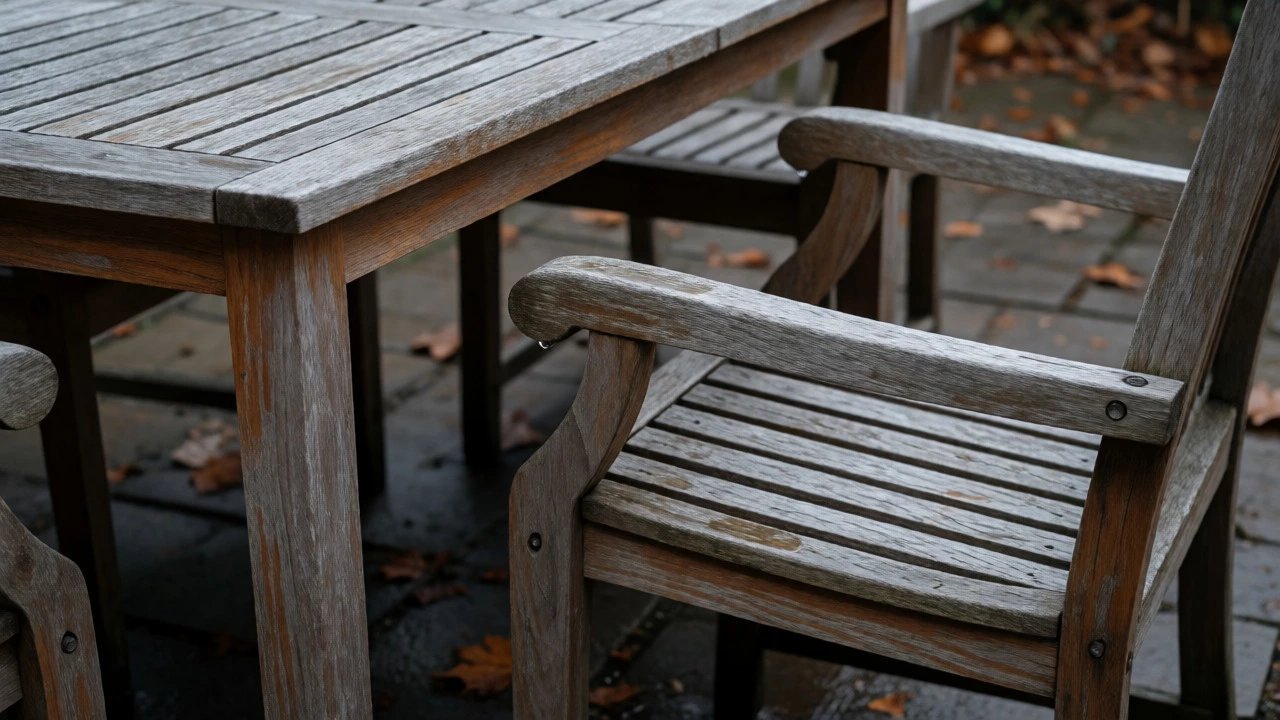
- Teak: This hardwood contains natural oils that repel water. You can leave it outside year-round. It will turn silver-grey over time (a process called patina), but structurally, it’s solid. If you want to keep the golden brown color, you’ll need to oil it twice a year.
- Wrought Iron: Strong and durable, but vulnerable to rust. If the powder coating chips-even slightly-water gets in, and oxidation starts. In damp climates, iron left uncovered often shows rust spots within one winter.
- Aluminum: Naturally corrosion-resistant. It won’t rust like iron. However, cheap aluminum frames can pit or corrode if salt air is present (common in coastal suburbs). Generally, this is safe to leave out with a basic cover.
- Rattan & Wicker: Natural rattan hates moisture. It absorbs water, swells, and eventually rots or grows mold. Synthetic rattan (HDPE) is much tougher and UV-stable, but dirt traps in the weave. Both benefit from being stored indoors or under a heavy-duty cover.
- Plastic & Resin: These are the workhorses of winter survival. They don’t rot, rust, or warp easily. The main risk? Extreme cold making plastic brittle. If temperatures drop below -10°C, resin chairs might crack under stress. In mild winters, they’re fine outdoors.
| Material | Risk Level | Best Action | Lifespan Impact |
|---|---|---|---|
| Teak | Low | Leave out; clean annually | Negligible |
| Aluminum | Low-Medium | Cover if coastal | Minor pitting possible |
| Wrought Iron | High | Store indoors or seal heavily | Rust formation |
| Natural Rattan | Very High | Must store indoors | Mold/Rot |
| Synthetic Rattan | Medium | Cover tightly | Dirt accumulation |
| Plastic/Resin | Low | Leave out | Brittleness in extreme cold |
The Cushion Crisis
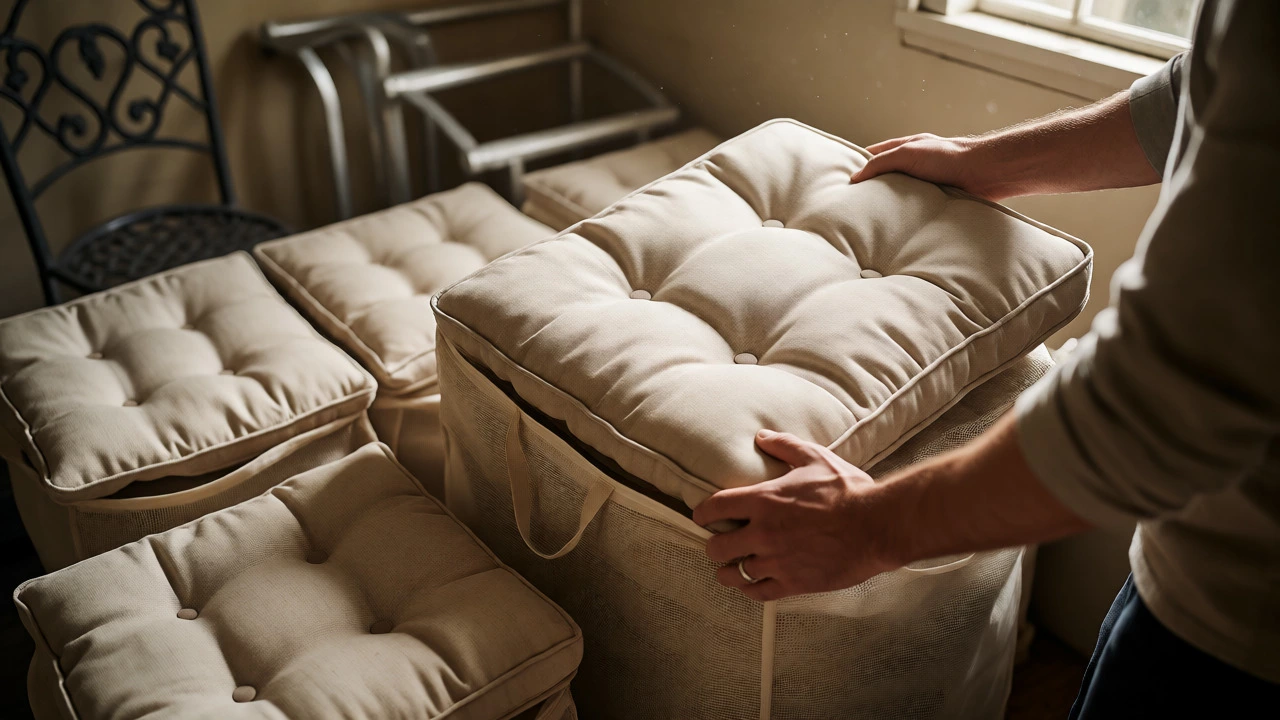
Even if your frame survives, your cushions likely won’t. Most outdoor fabrics, like Sunbrella or Olefin, are water-resistant, not waterproof. Water seeps into the foam filling. Once trapped, it creates two problems: mold growth inside the cushion and prolonged drying times. If you live in a humid area, those damp cushions can smell like mildew before you even sit on them in spring.
Your best move? Bring the cushions inside. Store them in a dry garage, shed, or laundry room. If you lack indoor space, buy breathable storage bags specifically designed for outdoor cushions. Avoid sealing them in plastic trash bags-trapped moisture causes condensation, which breeds mold faster than open air.
Protective Covers: Friend or Foe?
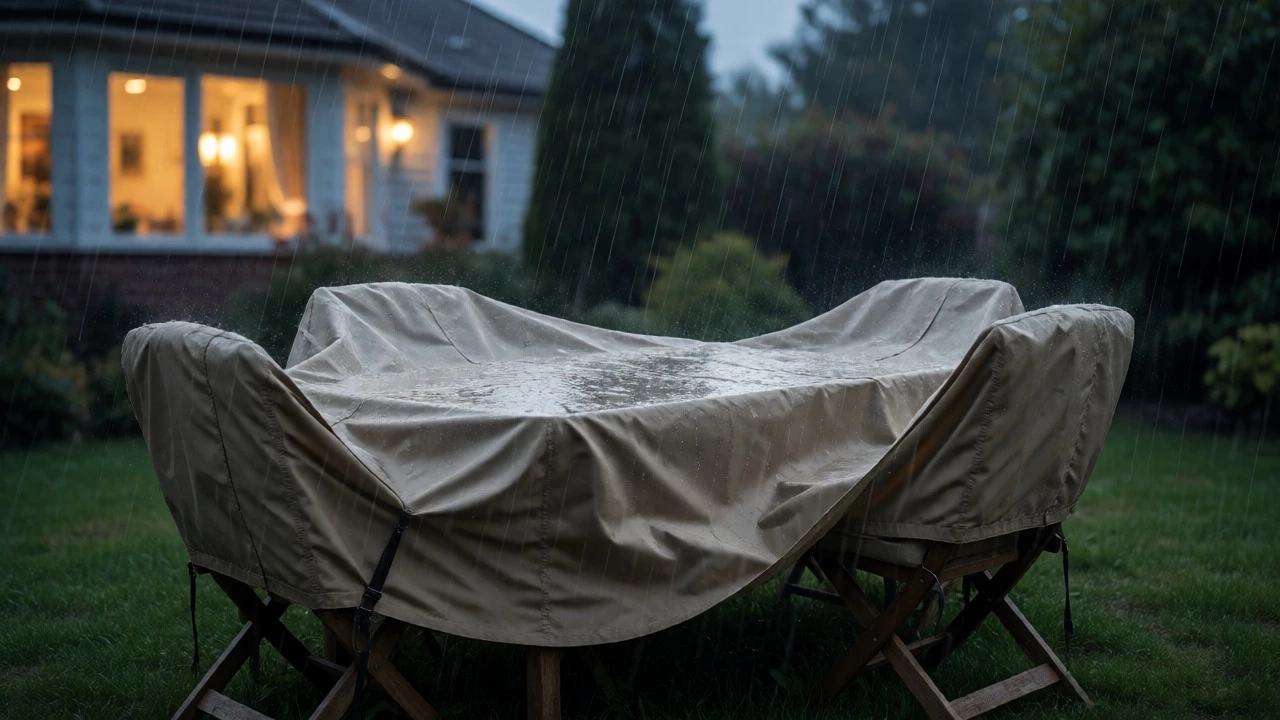
A cover seems like the easy fix. Just throw a tarp over everything, right? Wrong. Cheap vinyl tarps trap heat and moisture against the furniture. In sunny winter days, this creates a greenhouse effect, promoting algae and mold on wood or fabric. Worse, wind flaps the tarp, abrading surfaces and chipping paint.
If you choose to cover furniture outside, follow these rules:
- Use breathable fabric covers: Look for polyester blends with ventilation panels. Brands like Coverstar or generic "marine-grade" covers allow airflow while blocking rain.
- Elevate the furniture: Don’t let legs sit in puddles. Use bricks or specialized feet to lift frames off the ground. Standing water accelerates rust and wood rot.
- Tighten securely: Loose covers flap in the wind, damaging finishes. Use straps or bungee cords to anchor them.
- Check regularly: Inspect monthly for tears or pooled water on top of the cover.
Climate Context: Why Your Zip Code Changes Everything
Living in Melbourne, I know our winters are wet and chilly but rarely freeze hard. We get consistent drizzle and occasional storms. This means moisture management is key. Unlike arid regions where dust is the enemy, or snowy regions where weight load breaks chairs, our enemy is persistent dampness.
In contrast, if you live in Tasmania or alpine areas, freezing temperatures cause water in wood pores to expand, splitting timber. In tropical North Queensland, high humidity plus sun bleaches colors and degrades synthetic materials quickly. Adjust your strategy based on your specific microclimate. Check local weather patterns for average rainfall and temperature drops during June-August.
Pre-Winter Prep Checklist
Don’t wait until the first storm hits. Spend one Saturday afternoon prepping your gear. Here’s what to do:
- Clean thoroughly: Scrub off bird droppings, pollen, and dirt. Grime holds moisture against surfaces, accelerating decay. Use soapy water and a soft brush. For teak, use a dedicated cleaner to brighten grain.
- Inspect for damage: Check for loose screws, cracked welds, or peeling paint. Fix small issues now; they become big ones after months of exposure.
- Apply protective coatings: Oil teak or apply wax to metal parts. This adds a barrier against water intrusion.
- Remove accessories: Take out glass tabletops if possible (store indoors to prevent thermal shock cracking). Remove umbrellas and parasols-they degrade fast in UV and wind.
- Stack smartly: If storing indoors, stack chairs properly to avoid scratching finishes. Use felt pads between contact points.
When to Buy New vs. Repair
Is it worth saving old furniture? Sometimes, no. If wrought iron has extensive rust scaling (where layers flake off), sanding and repainting takes hours. Compare that cost to buying a new set. Similarly, if natural rattan has black mold deep in the weave, cleaning might not save it. Replacement is often cheaper and less frustrating.
However, high-quality pieces like solid teak or cast iron deserve preservation. With proper care, these last decades. Factor in environmental impact too: throwing away good furniture creates waste. Repairing extends life and reduces landfill burden.
Final Thoughts: Be Proactive, Not Reactive
Leaving garden furniture outside in winter isn’t forbidden-it’s just risky without preparation. Match your protection level to the material and your climate. Invest in quality covers, prioritize cushion storage, and clean before you pack away. Do this, and your patio set will greet you ready for summer barbecues, not repairs.
Can I leave wooden garden furniture outside in winter?
Yes, if it's treated hardwood like teak or eucalyptus. Untreated pine or softwoods should be stored indoors or covered tightly, as they absorb water and rot quickly. Always ensure legs are elevated to prevent standing water damage.
Do I need to bring my outdoor cushions inside?
Ideally, yes. Even water-resistant fabrics allow moisture into the foam core, leading to mold and bad odors. If you can't bring them inside, store them in breathable storage bags in a dry, sheltered spot like a garage.
Will rain ruin my metal garden furniture?
Rain alone won't ruin aluminum or stainless steel. However, wrought iron and steel will rust if the protective coating is damaged. Apply wax or touch-up paint to scratches before winter to prevent corrosion.
How do I protect furniture from wind?
Secure lightweight items like umbrellas and side tables indoors. For heavier sets, use weighted covers or tie-down straps anchored to the ground or deck. Wind can flip light furniture, causing physical damage and spreading debris.
Is it better to store furniture in a shed or cover it outside?
Storing in a dry shed is always safer, especially for delicate materials like wicker or cushions. Covering outside works for durable materials like teak or aluminum, provided the cover is breathable and well-secured to prevent moisture trapping.