 2
Jul,2026
2
Jul,2026
Furniture Storage Protection Planner
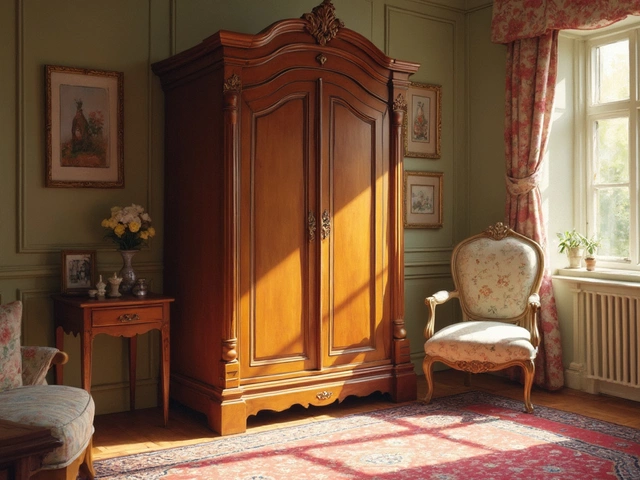
Wooden
Tables, chairs, cabinetsUpholstered
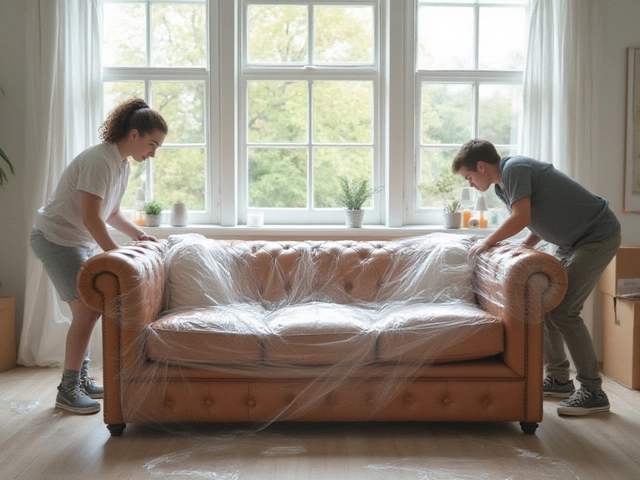
Sofas, armchairs, mattressesMetal
Iron beds, steel shelvesGlass
Tabletops, mirrorsYou’ve just signed a lease on a smaller apartment, or maybe you’re renovating your home for the next six months. The question hits you immediately: can I put my furniture in storage? The short answer is yes, absolutely. But if you just shove your sofa into a dark corner and hope for the best, you might be paying for damaged goods when you finally move back in.
Storing furniture isn’t like storing books or clothes. Large items have weight, texture, and structural integrity that react poorly to humidity, pests, and improper stacking. In Melbourne, where our weather swings from humid summers to cool, damp winters, the environment inside a storage unit matters more than you think. This guide will walk you through exactly how to prepare, pack, and store your furniture so it comes out looking as good as the day you put it away.
Preparing Your Furniture for the Long Haul
Before you even call a removalist or load up your ute, you need to prep the items themselves. Most people skip this step because it feels tedious, but it’s the single most important factor in preventing damage. Dust and dirt aren’t just unsightly; they are abrasive. If you leave dust on a wooden table and cover it with plastic, that dust gets trapped against the surface. Over time, especially in a humid environment, it can create stains or encourage mold growth.
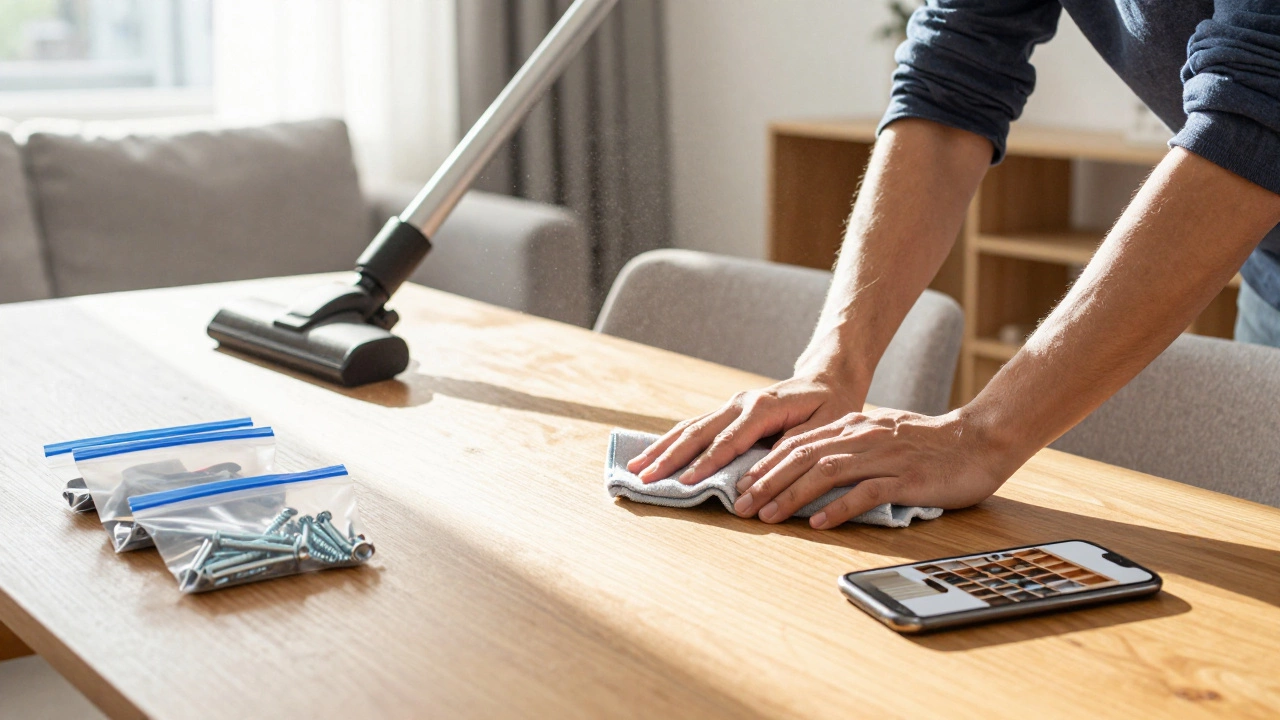
Start by cleaning every piece thoroughly. Use a mild detergent and water for hard surfaces like wood and metal. For upholstered items like sofas and armchairs, vacuum them deeply to remove crumbs, pet hair, and allergens. If there are any existing stains, treat them now. Once stored, you won’t have easy access to stain removers, and moisture trapped in a stain can lead to permanent discoloration or odors.
Next, disassemble what you can. Bed frames, wardrobes, and modular shelving units take up significantly less space when taken apart. Keep all screws, bolts, and small hardware in labeled zip-lock bags. Tape these bags directly to the corresponding part of the furniture so you don’t lose them in the chaos of the storage unit. Take photos of the assembly process before you start taking things apart. Trust me, trying to remember how a complex bookshelf fits together after three months is a nightmare.
The Right Materials: What You Actually Need
You probably already have some boxes and tape lying around, but standard moving supplies aren’t enough for furniture protection. You need specific materials designed to shield large items from scratches, moisture, and impact.
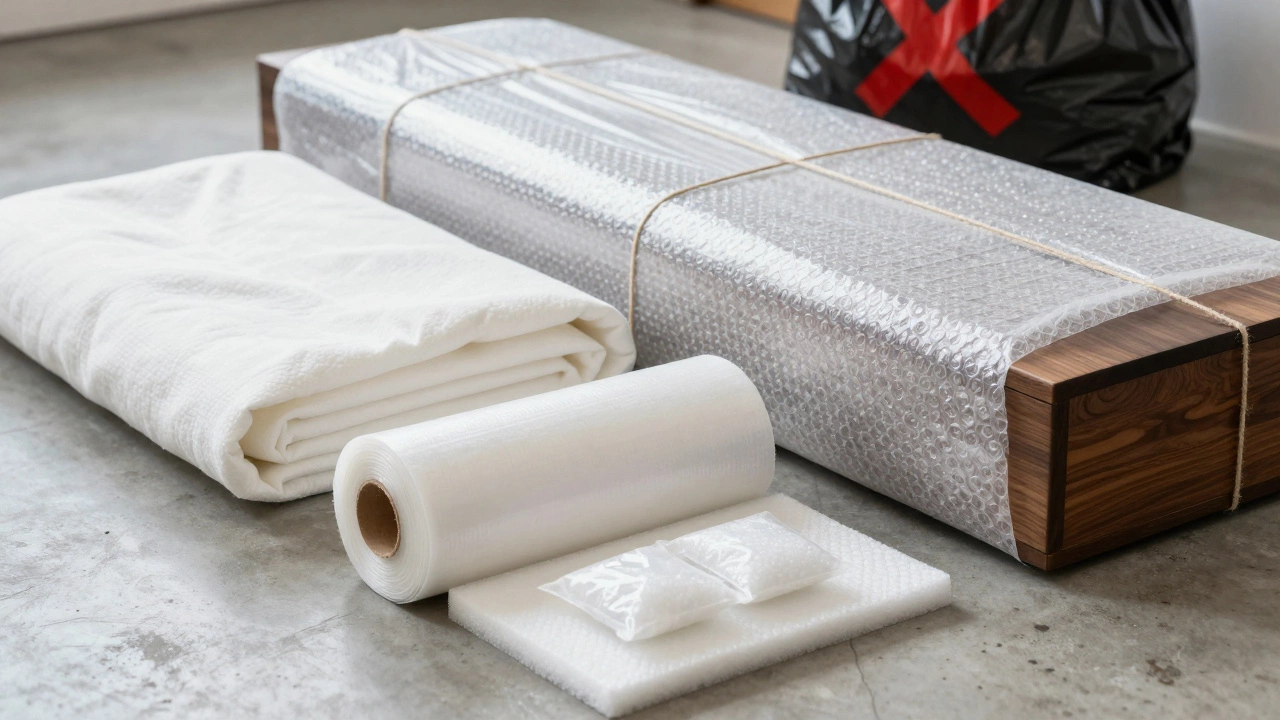
- Furniture blankets: These are thick, padded covers specifically made for moving. They provide cushioning against bumps and scratches. If you can’t buy new ones, you can use old cotton sheets or drop cloths, but avoid plastic sheeting directly against the furniture (more on that below).
- Stretch wrap: This industrial-grade plastic film is essential. It holds drawers shut, keeps doors closed, and secures blankets in place without damaging the finish.
- Moving pads: For heavy items like dressers or desks, foam moving pads offer extra protection during transport and while sitting in storage.
- Silica gel packets: Small desiccant packs help control moisture levels inside enclosed spaces like cabinets or drawers.
Avoid using black plastic trash bags to cover furniture. They trap heat and moisture, creating a greenhouse effect that promotes mold and mildew. Instead, opt for breathable cotton covers or clear, vented plastic wraps if you must use plastic.
Packing Techniques for Different Furniture Types
Not all furniture is created equal, and each type requires a slightly different approach to packing. Let’s break down the most common categories.
Wooden Furniture
Wood is sensitive to changes in temperature and humidity. In Melbourne, summer humidity can cause wood to swell, while winter dryness can make it shrink and crack. To protect wooden tables, chairs, and cabinets, wrap them tightly in stretch wrap first. This seals the surface against dust and minor moisture. Then, cover the wrapped item with a furniture blanket or thick cotton sheet. Secure the blanket with more stretch wrap or twine, but never tie twine directly around delicate legs or handles.
If you have antique or high-gloss finishes, consider adding an extra layer of bubble wrap over the corners and edges before applying the blanket. Corners are the most vulnerable parts of any wooden piece.
Upholstered Furniture
Sofas, armchairs, and mattresses need breathability. Plastic covers can trap body oils and sweat residue, leading to unpleasant smells and mold. Use specialized furniture covers made of breathable fabric. If you don’t have those, clean cotton sheets work well. Wrap the furniture loosely enough to allow air circulation but tightly enough to keep dust out.
For mattresses, use a dedicated mattress bag. These are usually made of a thin, breathable plastic that protects against dust mites and spills while still allowing some airflow. Place silica gel packets inside the bag to absorb any residual moisture.
Metal and Glass Items
Metal furniture, like iron beds or steel shelves, is prone to rust if exposed to moisture. Ensure all metal parts are completely dry before wrapping. Use a light coat of furniture polish or oil on bare metal spots to create a barrier against oxidation. Wrap metal items in bubble wrap followed by a blanket.
Glass tabletops or mirrors require extreme care. Remove glass tops from tables if possible. Wrap them individually in thick bubble wrap, securing the ends with tape. Label these packages clearly as "FRAGILE" and stand them upright in the storage unit, leaning against a wall, rather than laying them flat where other items could crush them.
Choosing the Right Storage Unit
Once your furniture is packed, you need a place to put it. Not all storage facilities are the same. When searching for a unit in Melbourne or anywhere else, look for these key features:
| Feature | Why It Matters | Recommendation |
|---|---|---|
| Climate Control | Maintains stable temperature and humidity levels | Essential for wood, antiques, and electronics |
| Security | Protects against theft and vandalism | Look for 24/7 CCTV, gated access, and individual alarms |
| Cleanliness | Prevents pest infestations and mold | Visit the facility; check for signs of rodents or dampness |
| Accessibility | How easily you can get your items in and out | Drive-up access or ground-floor units are easiest for large furniture |
Climate control is non-negotiable if you’re storing valuable wooden furniture or leather goods. Standard units can fluctuate wildly in temperature, which stresses materials. In Australia, where we experience significant seasonal changes, a climate-controlled unit keeps humidity between 40-60%, ideal for preserving most household items.
Security is another critical factor. You’re investing time and money into protecting your belongings; don’t let poor security undo that effort. Choose a facility with robust surveillance, controlled entry points, and preferably, individual unit alarms. Check reviews from other customers to gauge their experiences with safety and management responsiveness.
Organizing Inside the Unit
How you arrange your furniture inside the storage unit affects both accessibility and safety. Don’t just dump everything in and close the door. Think of your unit as a small warehouse that needs efficient layout planning.
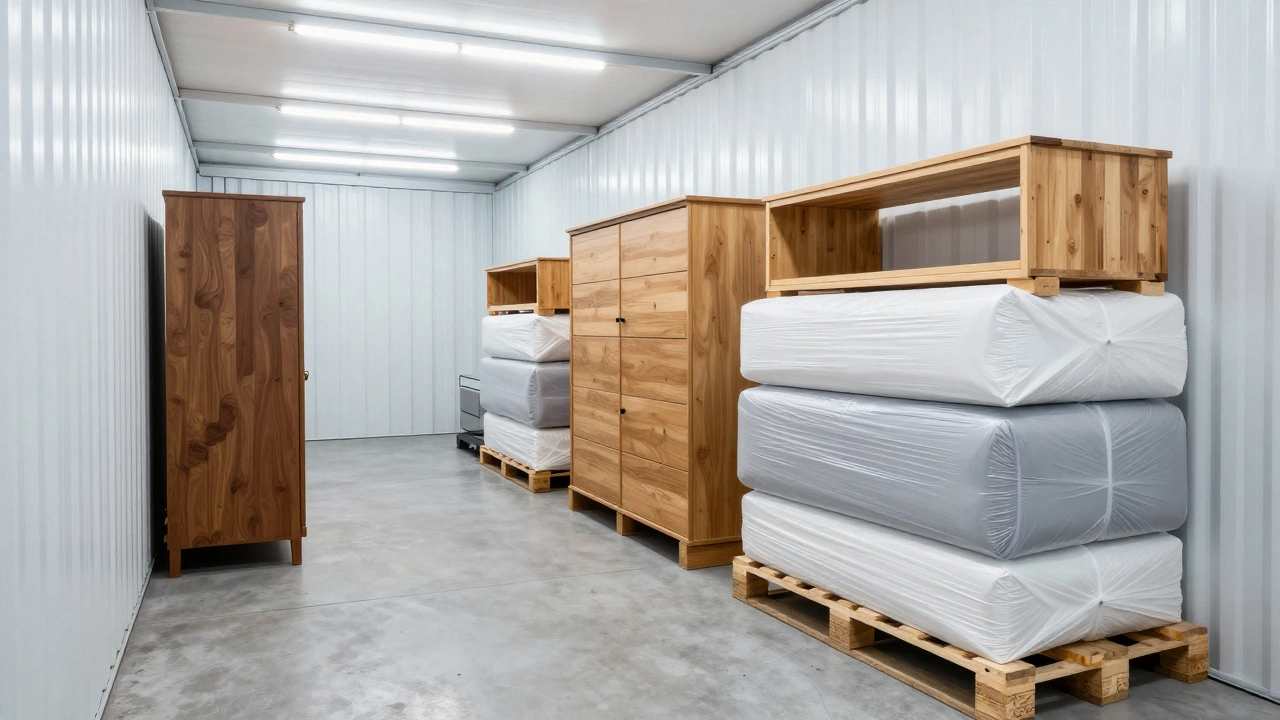
- Leave a walkway: Keep at least one foot of space along the front of the unit. This allows you to see and reach items without having to move everything else.
- Stack smart: Heavier items go on the bottom. Lighter, fragile items go on top. Never stack heavy dressers on top of lighter shelves.
- Use vertical space: Shelving units can be stacked if they’re secure. Disassembled bed frames can lean against walls.
- Label everything: Use a marker to label each side of wrapped furniture with its contents and destination room. This saves hours when you’re retrieving items later.
Consider using pallets or cardboard sheets on the floor of the unit. Even in clean facilities, concrete floors can wick moisture upward. Placing furniture on pallets creates a barrier between your items and the floor, reducing the risk of water damage or mold.
Common Mistakes to Avoid
Even experienced movers make mistakes when storing furniture. Here are the most frequent errors and how to sidestep them.
Ignoring pests: Rodents love warm, quiet places. Before loading your unit, inspect it for signs of droppings or gnaw marks. Place mouse traps or deterrents in the corners of the unit before bringing in your furniture. Never store food items in the same unit as your furniture.
Overpacking: It’s tempting to squeeze every inch of space, but overcrowding leads to damage. Items need room to breathe and to be moved safely. If you find yourself struggling to fit something in, you might need a larger unit.
Skipping insurance: Accidents happen. Pipes burst, floods occur, and sometimes theft happens despite best efforts. Check if your homeowner’s or renter’s insurance covers off-site storage. If not, purchase additional coverage through the storage facility. It’s a small cost for significant peace of mind.
Retrieving Your Furniture
When the time comes to move back in, don’t rush the unpacking process. Inspect each item carefully before unwrapping it. Check for any signs of damage, moisture, or pest activity. If you notice any issues, document them immediately with photos and contact your storage provider and insurance company right away.
Allow upholstered items to air out for a few hours after removing them from storage. This helps dissipate any stale odors that may have accumulated. For wooden furniture, wipe it down with a appropriate cleaner to restore its shine. Reassemble disassembled pieces using the photos and hardware bags you prepared earlier. With proper preparation and care, your furniture should look almost as good as new, ready to serve you in your next chapter.
How long can I store furniture?
Most furniture can be stored safely for several years if properly packed and kept in a climate-controlled environment. However, upholstery may degrade over time due to lack of use and exposure to air, even in sealed conditions. For long-term storage exceeding two years, consider checking on your items periodically to ensure no issues have arisen.
Should I store furniture outside?
Generally, no. Outdoor storage exposes furniture to rain, sun, wind, and temperature extremes, which can cause warping, fading, rust, and mold. Only store furniture outdoors if it is specifically designed for outdoor use and protected by waterproof covers. Indoor, climate-controlled storage is always the safer option for indoor furniture.
Can I store wet furniture?
Never store wet or damp furniture. Moisture trapped inside fabrics or wood leads to mold and mildew growth within days. Ensure all items are completely dry before packing. If you suspect dampness, allow items to air out in a well-ventilated area for several days before placing them in storage.
Do I need to remove drawers from dressers?
It depends on the dresser and the duration of storage. For short-term storage, leaving drawers in is fine if they are secured with stretch wrap to prevent sliding out. For long-term storage, removing drawers reduces stress on the slides and prevents sagging. Store drawers separately, stacked neatly, and label them clearly.
Is plastic wrap safe for furniture?
Stretch wrap is safe and recommended for securing blankets and holding parts together. However, avoid sealing furniture entirely in non-breathable plastic bags or tarps, as this traps moisture and promotes mold. Use breathable covers or ensure plastic wraps have vents if used for extended periods.