 17
May,2026
17
May,2026
Patio Mold Treatment Finder
Select your material and severity above to get a customized cleaning plan.
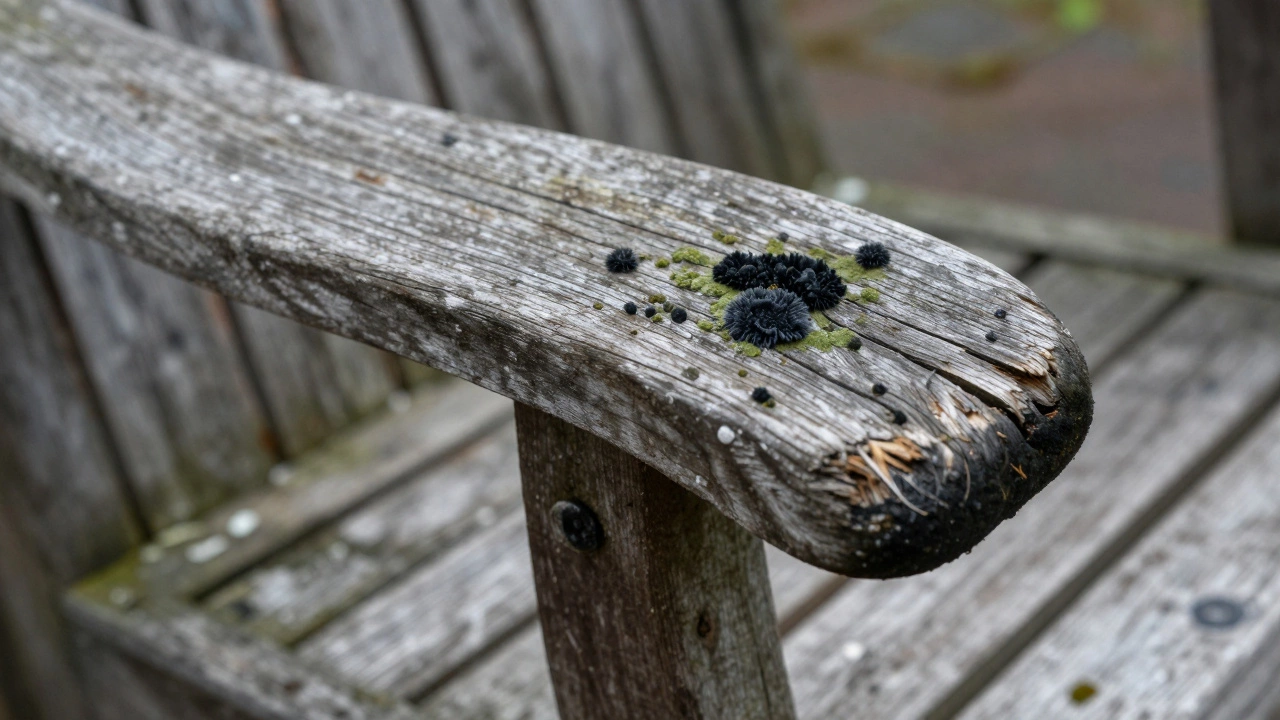
There is nothing worse than sitting down on a sunny afternoon, only to find your favorite chair covered in black spots. That fuzzy, dark patch isn't just ugly; it’s mold, and it loves the damp, shaded corners of our patios. If you’ve ever wondered what kills mold on patio surfaces effectively without ruining your furniture, you are not alone. It happens to everyone who spends time outdoors.
Mold feeds on organic matter and thrives in humidity. Left unchecked, it doesn’t just stain your chairs; it can rot wood, corrode metal, and even trigger allergies for anyone sitting nearby. The good news? You don’t need expensive professional services to fix it. With the right household items and a bit of elbow grease, you can restore your outdoor space to its former glory. Let’s break down exactly how to tackle this problem based on the material of your furniture.
Understanding the Enemy: Why Mold Loves Your Patio
Before we start scrubbing, it helps to know what we are fighting. Patio Mold is a type of fungus that grows on outdoor surfaces when moisture, warmth, and organic debris combine. Unlike indoor mold which often signals a leak, outdoor mold is usually caused by environmental factors like rain, morning dew, or sprinklers hitting furniture left uncovered.
The most common culprits are Aspergillus and Penicillium. These fungi release spores that travel through the air and settle on porous surfaces. Once they land on a damp piece of wood or a fabric cushion, they begin to digest the material. This process creates those unsightly black, green, or gray patches. Understanding that mold is a biological organism means we need to kill it, not just wipe it away. Simply wiping off the top layer leaves the roots intact, allowing it to grow back within days.
Solution 1: The Vinegar Method (Best for Hard Surfaces)
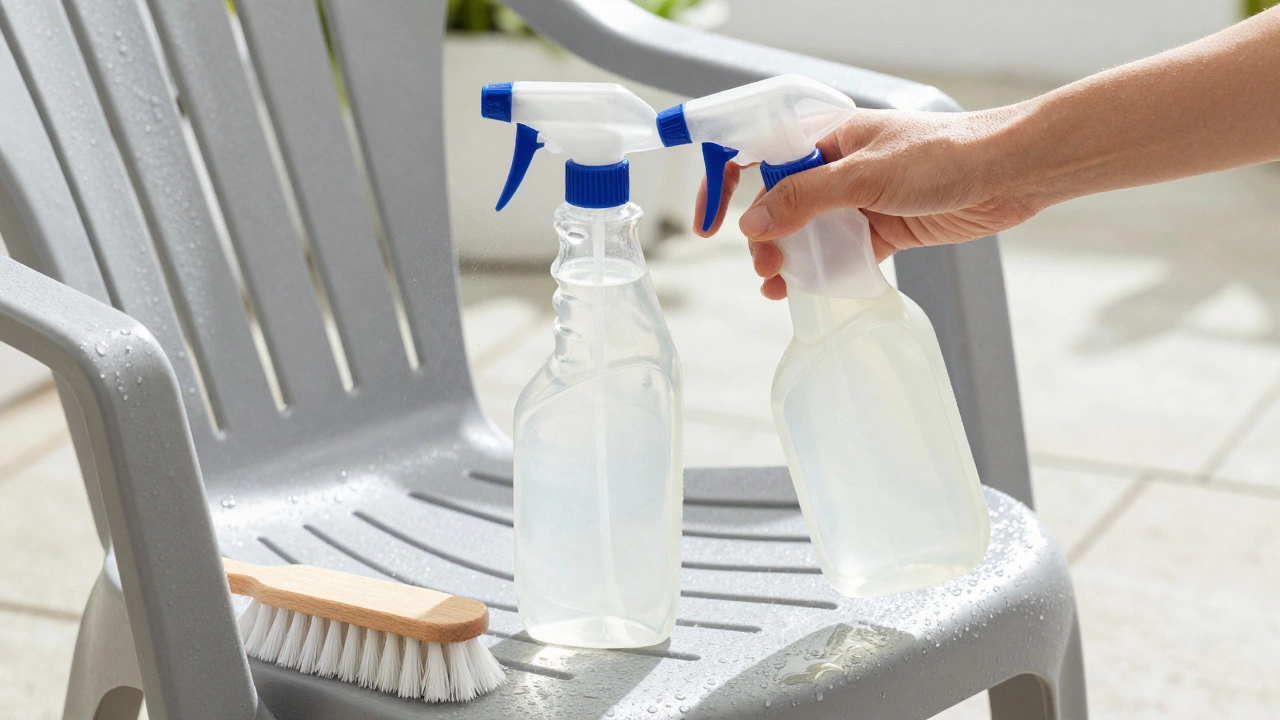
If you have hard-surface furniture like plastic, resin, or sealed wood, white vinegar is your best friend. It is acidic enough to kill about 82% of mold species, including some stubborn strains that bleach misses. Plus, it’s non-toxic and safe for plants if you’re careful.
- Mix the Solution: Combine one cup of White Distilled Vinegar with two cups of warm water in a spray bottle. For heavy infestations, use undiluted vinegar.
- Apply Generously: Spray the affected areas until they are soaked. Do not rinse yet. The acidity needs time to penetrate the mold structure.
- Wait: Let it sit for at least 60 minutes. If the mold is thick, leave it overnight.
- Scrub: Use a stiff-bristled brush to scrub the surface. The mold should lift easily.
- Rinse: Hose down the furniture with clean water.
This method works because acetic acid disrupts the cell walls of the mold. It is particularly effective on Plastic Patio Chairs and Resin Tables where harsh chemicals might cause discoloration over time.
Solution 2: Baking Soda Paste (For Porous Materials)
Wood and wicker are porous, meaning they absorb moisture deep into their fibers. Surface cleaners often fail here because the mold lives inside the grain. Baking soda acts as both an abrasive and a mild alkali, helping to lift mold out of pores while neutralizing odors.
- Create a Paste: Mix three tablespoons of Baking Soda with one tablespoon of water.
- Apply: Spread the paste onto the moldy spots using a cloth or sponge.
- Let Dry: Allow the paste to dry completely. As it dries, it pulls moisture and mold spores out of the wood.
- Scrub and Rinse: Scrub gently with a soft brush to avoid damaging the finish, then rinse with water.
For untreated wood decks, follow this up with a light sanding to remove any remaining stains. Always apply a sealant afterward to protect the wood from future moisture absorption.
Solution 3: Oxygen Bleach (The Heavy Lifter)
When vinegar and baking soda aren’t enough, you need oxygen bleach. Unlike chlorine bleach, which can damage fabrics and fade colors, Oxygen Bleach (often sold as sodium percarbonate) is color-safe and biodegradable. It releases hydrogen peroxide when mixed with water, creating a powerful oxidizing agent that destroys mold cells.
| Agent | Best For | Pros | Cons |
|---|---|---|---|
| Vinegar | Hard surfaces, plastic | Natural, cheap, odorless after drying | Weak smell during application, may not kill all root systems |
| Baking Soda | Wood, wicker, fabrics | Abrasive, deodorizes, safe for most materials | Requires scrubbing, less effective on large areas |
| Oxygen Bleach | Fabrics, colored wood, large decks | Kills spores, color-safe, environmentally friendly | More expensive, requires soaking time |
| Chlorine Bleach | Concrete, stone (non-porous) | Fast-acting, kills surface mold quickly | Damages wood/fabric, harmful to plants, toxic fumes |
To use oxygen bleach, dissolve one scoop in a gallon of hot water. Apply it to the furniture and let it sit for 15-20 minutes. Then scrub and rinse. This is the go-to solution for Cushion Fabrics that can be washed or spot-cleaned.
What About Chlorine Bleach?
You might be tempted to reach for chlorine bleach because it’s strong and widely available. However, I generally advise against using it on most patio furniture. Chlorine bleach is highly corrosive. It can weaken the fibers of wood, causing it to splinter and rot faster. On metal furniture, it accelerates rust formation. On fabric, it strips dyes, leaving you with faded, patchy cushions.
If you must use chlorine bleach, restrict it to non-porous surfaces like concrete pavers or sealed stone. Always dilute it (one part bleach to ten parts water), wear gloves and eye protection, and rinse thoroughly. Never mix bleach with ammonia or vinegar, as this creates toxic chloramine gas.
Prevention: Keeping Mold Away for Good
Killing mold is only half the battle. If you don’t change the conditions that allowed it to grow, it will return. Here are five practical steps to keep your patio furniture mold-free:
- Improve Airflow: Mold hates circulation. Arrange your furniture so air can flow between pieces. Avoid stacking chairs tightly together.
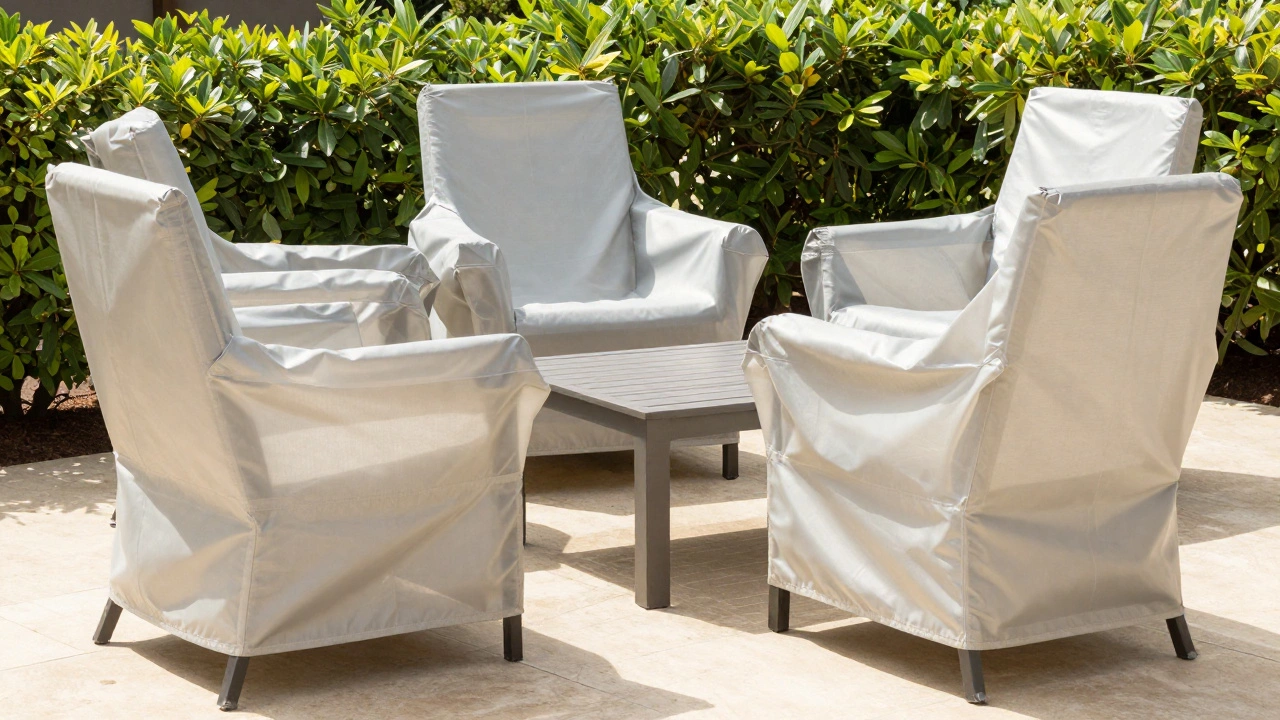
- Use Covers: Invest in breathable, waterproof covers. Cheap plastic tarps trap moisture underneath, creating a greenhouse effect for mold. Look for covers with mesh vents.
- Regular Cleaning: Wipe down surfaces weekly with a dry cloth to remove dust and pollen, which mold uses as food.
- Store Cushions Indoors: Fabric absorbs the most moisture. Bring cushions inside when not in use or during rainy seasons.
- Trim Vegetation: Overhanging branches block sunlight and trap shade. Trim them back to allow UV rays to hit your furniture, as sunlight naturally inhibits mold growth.
Special Cases: Metal and Wicker
Metal Furniture, such as aluminum or wrought iron, doesn’t get moldy in the same way wood does, but it can develop mildew on protective coatings. Use a mixture of dish soap and warm water. Scrub gently to avoid scratching the paint. If rust appears, treat it with a rust inhibitor before reapplying a protective sealant.
Wicker Furniture is tricky because cleaning agents can seep into the weave and warp the material. Stick to dry brushing first. If that fails, use a diluted vinegar solution applied with a microfiber cloth, dabbing rather than pouring. Ensure the wicker dries completely in the sun before bringing it back indoors.
Can I use bleach on my wooden patio furniture?
It is generally not recommended. Chlorine bleach can degrade the lignin in wood, making it brittle and prone to splitting. It also fades the natural color. Opt for oxygen bleach or a vinegar solution instead, which are safer for wood integrity.
How do I remove mold from patio cushions?
If the covers are removable, wash them in the washing machine with oxygen bleach and warm water. For non-removable cushions, spot clean with a mixture of baking soda and water, let it dry, and then vacuum up the residue. Sunlight is your best ally here-leave them in direct sun for several hours to kill remaining spores.
Does vinegar really kill mold permanently?
Vinegar kills the active mold colony on the surface, but it may not penetrate deep into porous materials like unfinished wood. For permanent results on porous surfaces, you need to ensure the area is completely dry and consider sealing the wood to prevent future moisture absorption.
Is mold on outdoor furniture dangerous?
Yes, especially for people with allergies or respiratory issues. Outdoor mold spores can become airborne when you sit on or move the furniture, leading to coughing, sneezing, or skin irritation. Removing it promptly improves both the aesthetics and health safety of your outdoor space.
How often should I clean my patio furniture to prevent mold?
A quick wipe-down once a week is sufficient to remove dust and pollen. A deeper clean with a mold-inhibiting solution should be done at the start of the spring season and again in the fall, depending on your local climate and rainfall.