 9
Nov,2026
Furniture Storage Protection Score
Check off the steps you have completed or plan to complete for your stored items to see your protection score.
- Cleaned & Dried: Removed dust, oils, and food residue.
- Wrapped Properly: Used canvas + heavy plastic (no cardboard).
- Sealed Containers: Small items in rigid plastic bins with lids.
- Elevated: Items are 4–6 inches off the concrete floor.
- Strategic Placement: Away from walls, center of unit.
- Deterrents Added: Cedar blocks or peppermint oil placed.
- Unit Sealed: Checked door seals and gaps (<6mm).
- Inspection Plan: Scheduled regular visits to check droppings.
Select a checklist item to view specific advice related to that step.
Cleaning Matters
Mice navigate by scent. Invisible residues like skin oils or old crumbs act as beacons. Use enzyme-based cleaners for high-value items to neutralize odors completely.
The Double-Layer Method
Wrap furniture in breathable canvas first to prevent scratches and absorb moisture. Then wrap tightly in heavy-duty plastic stretch film. The tightness makes it hard for mice to get a grip, and the noise deters them.
Avoid Cardboard
Cardboard absorbs moisture and is easy for mice to shred. Always use rigid plastic bins with locking lids for textiles and small items. If you must use cardboard, line it with plastic sheeting.
Air Gap Advantage
Concrete floors can hold cold and moisture. Elevating items on pallets creates an air gap that discourages crawling insects and makes it much easier for you to spot droppings early.
Thigmotaxis Strategy
Mice prefer traveling along edges (thigmotaxis). Keep furniture away from walls to prevent them from bridging gaps easily. Place heavy items in the center to minimize hiding spots.
Natural Repellents
Cedar blocks repel pests without harsh chemical smells. Sand them lightly every few months to refresh oils. Peppermint oil works but evaporates quickly—replace cotton balls every 10-14 days.
The Pencil Eraser Rule
A house mouse only needs a hole the size of a pencil eraser (approx. 6mm) to enter. Check roll-up door seals carefully. Use steel wool and caulk to seal gaps around pipes if storing in a garage.
Act Fast on Signs
Look for rice-grain-sized droppings, fresh gnaw marks, or ammonia-like odors. If found, set snap traps perpendicular to walls immediately. Peanut butter is often more attractive than cheese.
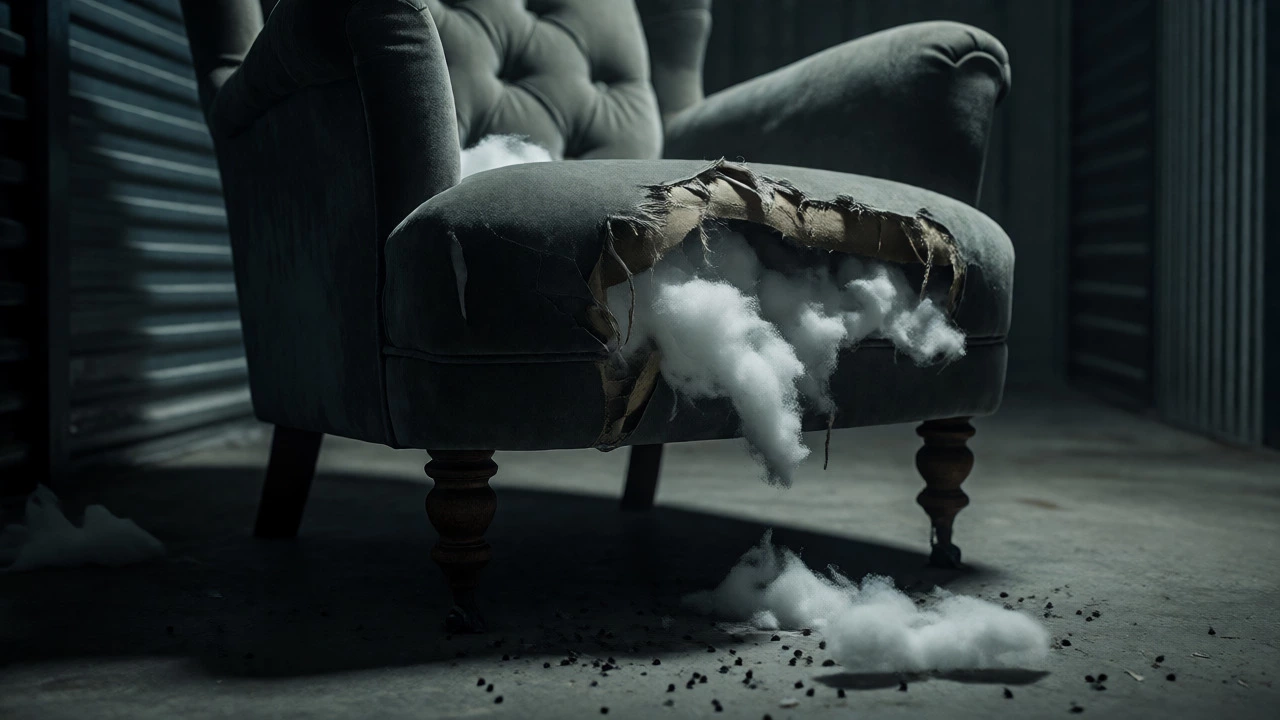
You’ve just moved into a new place, or maybe you’re renovating. Your beloved velvet armchair and that solid oak dining table are now sitting in a self-storage unit, waiting for the dust to settle. You feel relieved until you walk back in three months later. The smell hits you first-sharp, ammonia-like. Then you see it: shredded upholstery stuffing spilling out like cotton candy, and tiny black droppings scattered across your pristine hardwood floor. Mice have found their way in.
This isn’t just an inconvenience; it’s a financial hit. Mice are notorious for chewing through wires, wood, and fabric. In Australia alone, rodents cause significant property damage annually. But here’s the good news: protecting your belongings doesn’t require industrial-grade fortification. It requires strategy. Whether you are storing a single sofa or an entire household, understanding how these pests operate is the first step to keeping them out.
Why Mice Love Your Stored Furniture
Before we talk about barriers, let’s look at the motivation. Why do mice target your storage unit? It’s not personal. It’s biological. Mice need three things to survive: food, water, and shelter. A storage unit offers perfect shelter-dark, quiet, and temperature-controlled (especially if it’s indoor storage). Your furniture provides the nesting material. Soft fabrics, foam padding, and even cardboard boxes are prime real estate for building a nest.
In Melbourne, where winters can be damp and cool, mice actively seek warmer, drier places as the weather turns. If you live in a suburb with older infrastructure or near parks, the local mouse population might be higher than you think. They don’t need much space. A hole the size of a pencil eraser (about 6mm) is enough for a house mouse to squeeze through. This means gaps under doors, vents, or cracks in the unit walls are open invitations.
They also follow scent trails. If you stored a wooden chair without cleaning it, the residue of skin oils, food crumbs, or pet hair left on the surface acts like a beacon. Mice have an acute sense of smell, far superior to ours. To them, a dusty bookshelf smells like potential snacks and cozy bedding.
The Pre-Storage Clean: Remove the Scent Trail
You cannot protect dirty furniture. If you throw unwashed items into a box, you are essentially packing a buffet for any passing rodent. Thorough cleaning is non-negotiable.
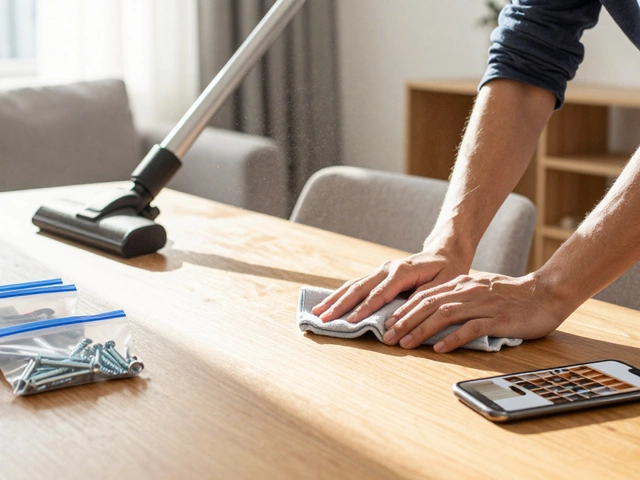
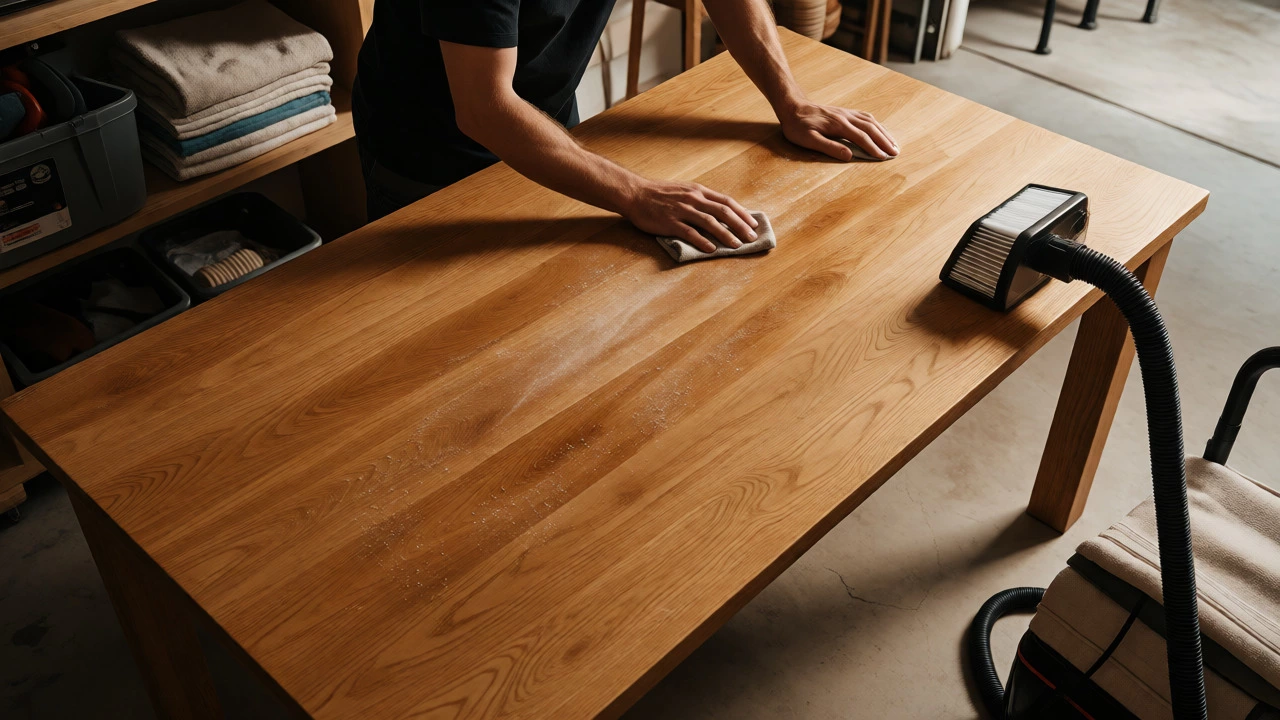
- Dust and Vacuum: Use a vacuum with a HEPA filter to remove all debris from sofas, mattresses, and upholstered chairs. Pay special attention to crevices where crumbs hide.
- Wipe Down Hard Surfaces: Clean wooden tables, wardrobes, and TV stands with a mild disinfectant. This removes oils and scents that attract pests.
- Check for Food Residue: Did you eat a sandwich while assembling that bookcase last year? Crumbs might still be there. Inspect every nook.
- Let It Dry Completely: Moisture attracts insects and mold, which in turn can attract other pests. Ensure everything is bone dry before wrapping.
A common mistake is assuming that because something looks clean, it is clean. Invisible residues remain. For high-value items, consider using an enzyme-based cleaner specifically designed to break down organic matter and neutralize odors. This eliminates the olfactory clues mice use to navigate.
Sealing Strategies: Barriers That Work
Once your furniture is clean, you need physical barriers. Not all covers are created equal. Mice can chew through thin plastic bags and standard moving blankets with ease. You need materials they find difficult or unpleasant to penetrate.
| Material | Mouse Resistance | Best For | Cost |
|---|---|---|---|
| Plastic Wrap (Stretch Film) | Low | Short-term protection, moisture barrier | $ |
| Canvas Moving Blankets | Medium | Furniture frames, soft goods | $$ |
| Heavy-Duty Plastic Totes | High | Small items, electronics, linens | $$$ |
| Steel Mesh / Hardware Cloth | Very High | Vents, gaps, securing covers | $$ |
For large furniture pieces: Start by wrapping the item in a breathable canvas moving blanket. This protects against scratches and dust. Then, over the blanket, wrap the entire piece tightly in heavy-duty plastic stretch film. While mice can chew plastic, the tightness makes it harder for them to get a grip, and the noise of chewing often deters them. However, this is not foolproof for long-term storage.
For smaller items and textiles: Avoid cardboard boxes entirely. Cardboard is porous, absorbs moisture, and is easy for mice to shred. Instead, use rigid plastic storage bins with locking lids. These create a sealed environment. If you must use cardboard for bulky items, line the inside with plastic sheeting and seal the seams with strong tape, but expect less durability.
Natural and Chemical Deterrents
Physical barriers stop most mice, but adding deterrents adds a layer of defense. You want to make the environment unpleasant for them without damaging your furniture.
Cedar Wood: This is a classic choice. Cedar contains natural oils that repel insects and rodents. You can buy cedar blocks or hang cedar sachets inside drawers or under cushions. Unlike mothballs, cedar doesn’t leave a harsh chemical smell on your clothes or upholstery. Just remember, the scent fades over time, so sand the blocks lightly every few months to refresh the oils.
Peppermint Oil: Mice hate the strong scent of peppermint. Soak cotton balls in pure peppermint essential oil and place them around the base of your furniture or inside closed cabinets. Replace them every two weeks, as the scent evaporates quickly. Note: Test on a hidden area of wood first to ensure it doesn’t stain.
Commercial Repellents: There are ultrasonic devices that emit high-frequency sounds intended to irritate rodents. Their effectiveness is debated among experts, with some studies suggesting habituation occurs. Chemical baits (poison) are generally risky in storage units because dead mice can create foul odors and attract flies. Stick to traps or deterrents rather than poisons unless you have a severe infestation.
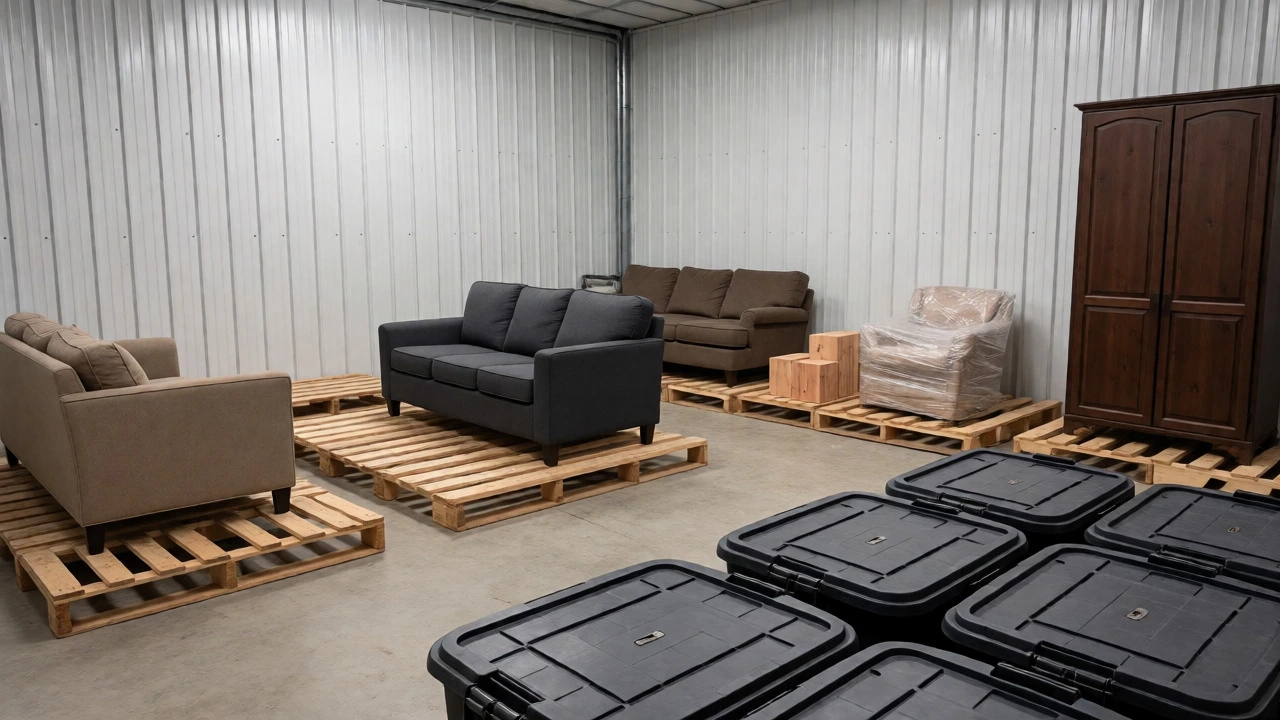
Strategic Placement in the Unit
Where you put your furniture matters. Mice tend to travel along edges and walls, avoiding open spaces where they feel exposed. This behavior is called thigmotaxis.
- Elevate Everything: Never place furniture directly on the concrete floor. Concrete conducts cold and can hold moisture. Use pallets or shelving units to lift items at least 4-6 inches off the ground. This creates an air gap that discourages crawling insects and makes it easier to spot droppings.
- Keep Away from Walls: Leave a small gap (a few inches) between your furniture and the unit walls. This prevents mice from bridging the gap easily and allows you to inspect the perimeter.
- Center Heavy Items: Place large, heavy pieces like wardrobes or sofas in the center of the unit. Lighter items go to the back. This arrangement minimizes hiding spots behind large objects.
If your storage unit has a roll-up door, check the bottom seal. Is it intact? If there’s a gap, mice can slip underneath. Some facilities allow you to add a weather strip or a simple threshold ramp. At home, if you’re using a garage or basement, seal any gaps around pipes or cables entering the room with steel wool and caulk. Mice cannot chew through steel wool due to its sharp texture and metallic taste.
Regular Inspection Routine
Protection isn’t a one-time task. It’s a maintenance routine. If you store items for more than six months, visit your unit periodically.
Look for signs of activity:
- Droppings: Small, dark pellets resembling grains of rice.
- Gnaw Marks: Fresh shavings on wood or plastic corners.
- Nests: Shredded paper, fabric, or insulation clumps.
- Odor: A musky, ammonia-like smell indicates urine presence.
If you find evidence, act immediately. Don’t wait. Set snap traps along the walls near the affected area. Bait them with peanut butter or chocolate, which are more attractive to mice than cheese. Check the traps daily. Removing the source of attraction (like a forgotten bag of chips in a box) is crucial too.
By combining thorough cleaning, robust sealing, strategic placement, and regular checks, you significantly reduce the risk of rodent damage. It takes a bit of extra effort upfront, but it saves you the heartache of finding your favorite armchair destroyed by a creature the size of your thumb.
Can mice chew through plastic storage bins?
Yes, mice can chew through thin plastic, especially if they detect food inside. However, they struggle with thick, high-density polyethylene (HDPE) bins with secure latches. Always ensure lids are locked tight, as mice can push loose lids aside.
Is it safe to use mothballs for furniture storage?
Mothballs contain naphthalene or paradichlorobenzene, which are toxic chemicals. While they repel moths, they are less effective against mice and can leave a strong, lingering odor on fabrics. They are also hazardous if pets or children access the storage area. Natural alternatives like cedar are safer for most households.
How often should I replace peppermint oil deterrents?
Peppermint oil evaporates quickly. In a closed storage unit, you should replace cotton balls soaked in peppermint oil every 10 to 14 days to maintain potency. If the scent is faint, the deterrent effect diminishes significantly.
Do mice prefer certain types of wood?
Mice don't necessarily "prefer" specific woods for eating, but they will gnaw on softer woods like pine or particle board more easily than hardwoods like oak or maple. They primarily chew to keep their incisors worn down, so any accessible wood is a target.
What is the best trap for catching mice in a storage unit?
Snap traps are the most reliable and humane option for quick removal. Place them perpendicular to the wall, with the trigger end facing the wall, as mice run along edges. Glue traps can work but are considered less humane and can be messy if the mouse struggles.