 31
May,2026
31
May,2026
Storage Unit Safety & Preparation Checklist
Step 1: Initial Preparation
Before moving anything into your storage unit, complete these essential preparation steps.
You’ve packed your boxes, labeled the fragile items, and moved everything into your new storage unit is a secure space designed to keep personal belongings safe from weather and theft. Now, you’re worried about moths eating your wool sweaters or silverfish devouring your photo albums. The old advice says to toss in a few mothballs. It sounds easy, cheap, and effective. But before you scatter those white spheres around your unit, stop. Using mothballs in a standard self-storage environment is not just ineffective; it is often illegal, dangerous to your health, and potentially damaging to the very items you are trying to protect.
This isn’t about being overly cautious. It’s about chemistry, ventilation, and the specific rules of modern storage facilities. Let’s look at why this common household hack fails in a storage context and what you should actually do to keep your stuff safe.
The Chemistry Problem: Why Mothballs Fail in Open Spaces
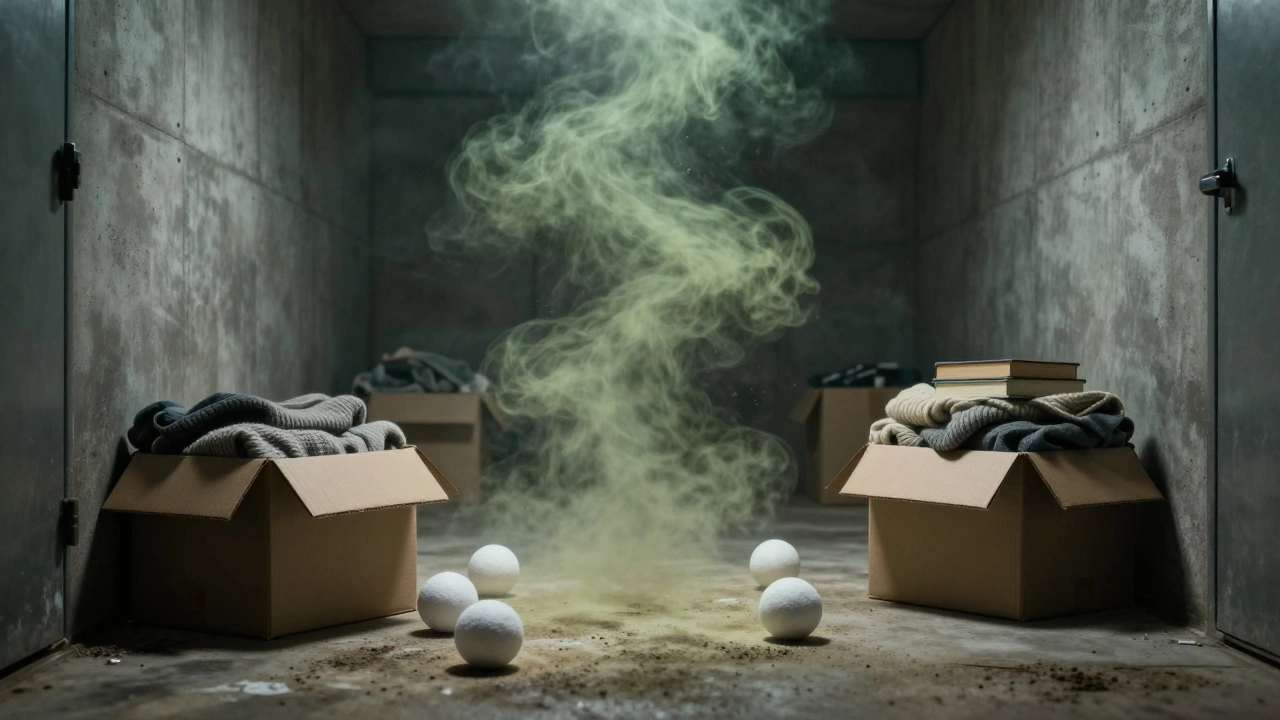
To understand why mothballs are a bad idea for your storage unit, you first need to understand how they work. Mothballs are small balls made of either naphthalene or para-dichlorobenzene (PDB), which are toxic chemicals that sublimate from solid to gas to kill pests. They don’t work by repelling insects with a smell. They work by poisoning them. For the gas concentration to be high enough to kill moth larvae or silverfish, the air needs to be trapped in a sealed container.
A standard storage unit is rarely airtight. Even if the door closes tightly, there are gaps under the door, around the hinges, and through the walls. The chemical gas dissipates quickly into the larger facility. This means two things happen:
- Ineffectiveness: The concentration of poison never gets high enough to kill the pests hiding in your clothes or books.
- Waste and Hazard: You are releasing toxic fumes into an uncontrolled environment without getting any protection for your items.
If you want mothballs to work, they must be inside a sealed plastic bin or a vacuum-sealed bag with the items themselves. Putting them on the floor of the unit does nothing but create a mess and a hazard.
Health Risks: Naphthalene vs. Para-Dichlorobenzene
Not all mothballs are created equal, but both types carry significant health risks. In the United States and many other countries, these chemicals are classified as pesticides. This means their use is strictly regulated by agencies like the EPA.
| Chemical Type | Primary Risk | Effect on Materials | Legal Status in Storage |
|---|---|---|---|
| Naphthalene | Flammable; can trigger asthma attacks | Can damage plastics, rayon, and acetate fibers | Banned in many rental agreements due to fire risk |
| Para-dichlorobenzene (PDB) | Long-term exposure linked to liver/kidney damage | Less damaging to fabrics than naphthalene | Restricted; requires strict containment |
When you open your storage unit after months, you might be hit with a strong, pungent odor. That smell is the chemical residue settling on your clothes, furniture, and boxes. Breathing this in can cause headaches, nausea, and eye irritation. For people with respiratory issues like asthma, naphthalene fumes can trigger severe attacks. Furthermore, if you have children or pets who visit the unit, accidental ingestion of even one mothball can be fatal.
Many storage facility contracts explicitly ban the use of mothballs. If a manager detects the smell during an inspection, they may issue a warning or even terminate your lease because you are creating a hazardous environment for neighboring units.
Damage to Your Belongings
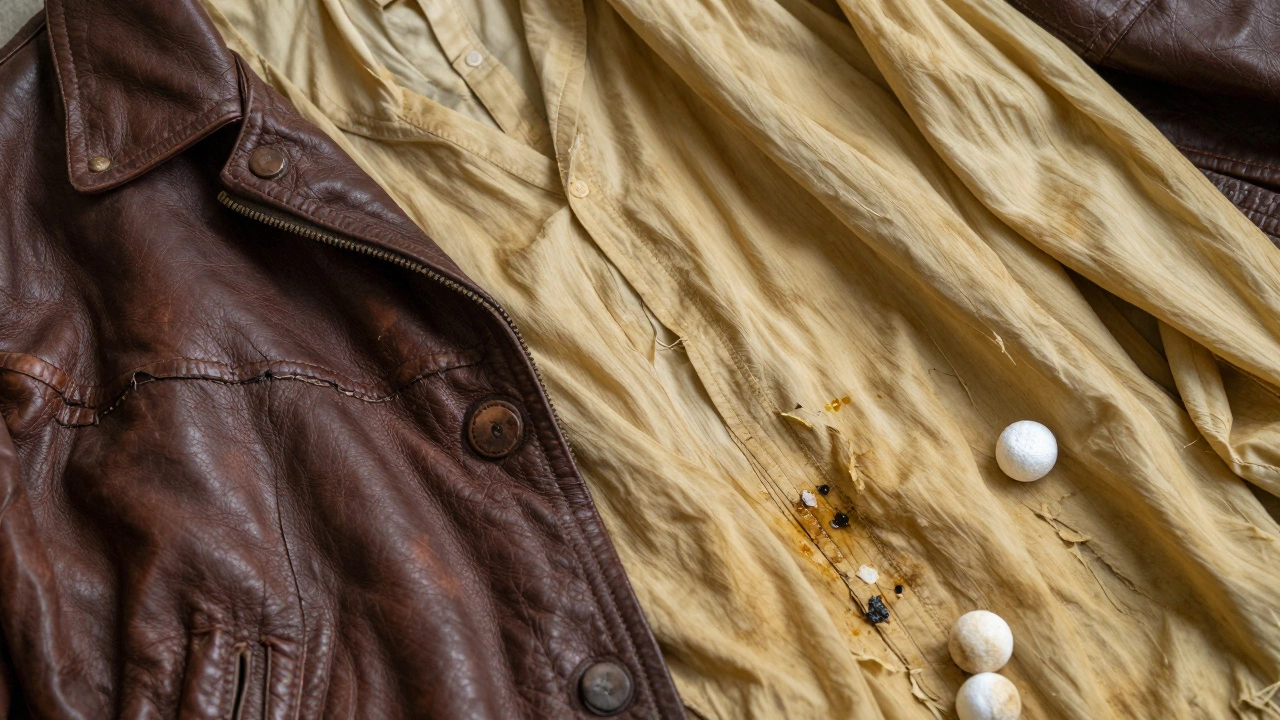
You put mothballs in to save your items, but they might end up destroying them. The sublimation process leaves behind oily residues. When these residues settle on fabrics, they can cause permanent yellowing or staining. Worse, naphthalene reacts badly with certain synthetic materials.
If you store clothing made from rayon, acetate, or spandex near mothballs, the chemicals can break down the fibers, causing the fabric to become brittle and disintegrate over time. Leather goods, rubber seals on cameras, and certain types of plastics can also degrade when exposed to these fumes. You might find that your vintage jacket is safe from moths but has turned into a stiff, cracked ruin.
Better Alternatives for Pest Control
So, if you can’t use mothballs, how do you keep pests out? The key is prevention and using safer, more targeted methods. Here are proven strategies that work in storage environments.
1. Cedar Blocks and Chips
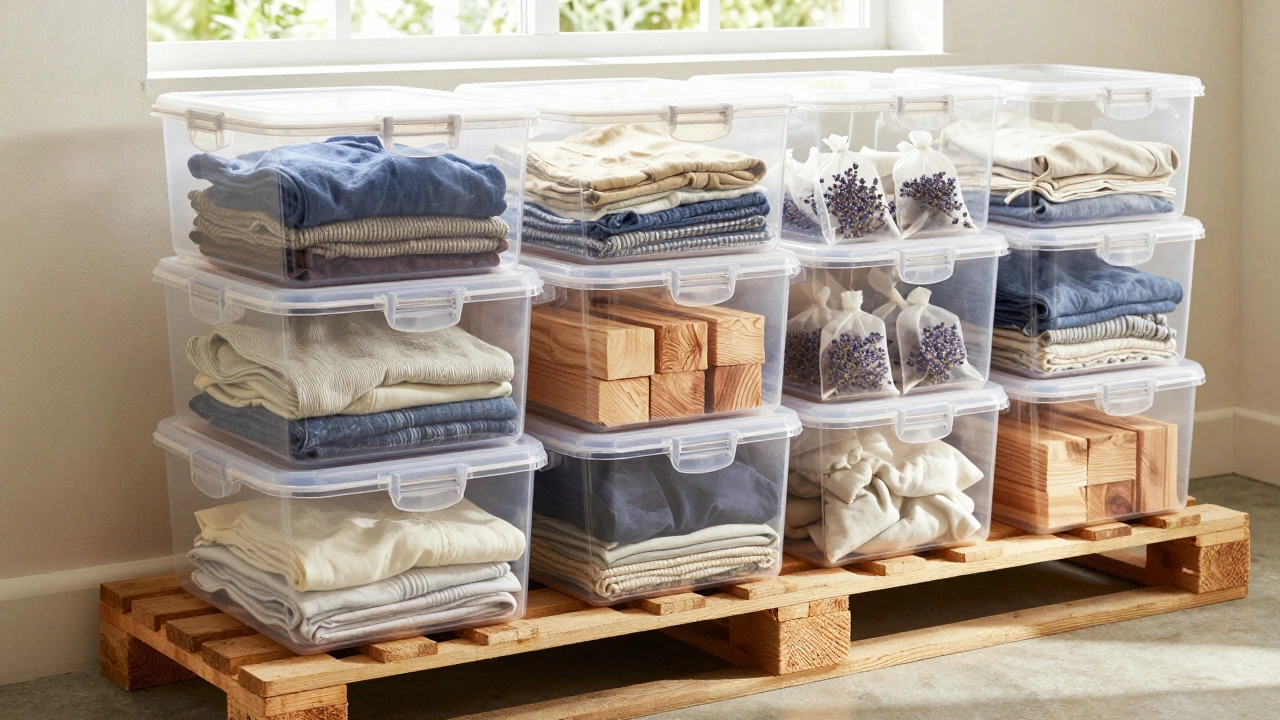
Cedar wood contains natural oils like cedrol and thujone that repel moths, silverfish, and carpet beetles. Unlike mothballs, cedar doesn’t kill pests; it drives them away. Place cedar blocks inside drawers, closets, and between folded sweaters. The scent fades over time, so you’ll need to sand the blocks lightly every few months to release fresh oils. It’s non-toxic, smells great, and won’t damage your fabrics.
2. Airtight Plastic Bins
The most effective barrier against pests is physical exclusion. Use heavy-duty, airtight plastic bins with locking lids. These containers prevent moisture, dust, and insects from reaching your items. Avoid cardboard boxes for long-term storage, as they attract silverfish and booklice. Cardboard also absorbs moisture, leading to mold growth, which is far more destructive than any moth.
3. Diatomaceous Earth
Diatomaceous earth is a fine powder made from fossilized algae. It works mechanically by dehydrating insects that crawl across it. Sprinkle a thin layer around the perimeter of your storage unit or at the base of shelves. It is non-toxic to humans and pets but lethal to crawling pests. Just make sure to wear a mask when applying it to avoid inhaling the dust.
4. Lavender Sachets
Moths dislike the strong scent of lavender. Stuff small cloth bags with dried lavender buds and place them among your linens and clothes. While less potent than cedar, lavender adds a pleasant fragrance and provides mild repellent properties. It’s a great supplement to other methods.
Preparing Your Storage Unit Correctly
Prevention starts before you even move your items in. Follow these steps to ensure your unit stays pest-free:
- Clean Everything First: Wash all clothing and linens before packing. Pests are attracted to body oils, sweat, and food stains. Never store dirty clothes.
- Inspect for Existing Infestations: Check your home for signs of moths or silverfish before moving. Don’t bring an active problem into your storage unit.
- Elevate Items: Use pallets or shelving to keep boxes off the concrete floor. This reduces moisture absorption and makes it harder for pests to climb up.
- Leave Space: Don’t pack the unit wall-to-wall. Leave a gap along the walls for airflow. Stagnant, humid air encourages mold and attracts pests.
- Seal Cracks: If possible, seal any visible cracks in the unit’s walls or door frame with caulk to block entry points for insects.
What to Do If You Already Used Mothballs
If you’ve already placed mothballs in your unit, act quickly. Remove them immediately and dispose of them according to local hazardous waste guidelines. Do not throw them in regular trash where pets or wildlife might access them.
Ventilate the unit thoroughly. Open the door and windows (if available) for several days. Use fans to circulate air. Wash any fabrics that were exposed to the fumes before storing them again. Consider replacing any plastic bins that may have absorbed the chemicals, as they can continue to off-gas.
Are mothballs legal in storage units?
Most storage facility contracts explicitly prohibit the use of mothballs due to fire hazards and health risks. Even if not banned, using them violates pesticide labeling laws if not used in a completely sealed container. Always check your lease agreement.
Do mothballs actually work in large spaces?
No. Mothballs require a high concentration of gas in a sealed space to kill pests. In an open storage unit, the gas dissipates too quickly to be effective, making them useless for general area protection.
What is the best way to prevent moths in stored clothes?
The best method is to wash all clothes before packing, store them in airtight plastic bins, and add cedar blocks or lavender sachets inside the bins. This creates a physical barrier and uses natural repellents safely.
Can mothballs damage my furniture?
Yes. Naphthalene can damage plastics, rayon, and acetate fibers, causing them to become brittle. The oily residue can also stain fabrics and leave a persistent, unpleasant odor that is hard to remove.
Is diatomaceous earth safe to use in storage?
Yes, food-grade diatomaceous earth is non-toxic to humans and pets. It works by dehydrating insects physically. However, you should wear a mask when applying it to avoid inhaling the fine dust, which can irritate lungs.