 4
Oct,2026
4
Oct,2026
Sofa Color Visualizer for White Walls
Staring at your white walls? Use this interactive guide to find the right corner sofa color. Select a wall tone, pick a sofa color, and see how they interact in different lighting conditions.
1. Choose Your Wall Tone
2. Check Lighting Impact
Colors shift under different lights. Toggle below to see potential shifts for your selected sofa.
3. Select a Corner Sofa Color
Analysis Result
Please select a sofa color above to see compatibility analysis, contrast rating, and styling tips.
You stare at your pristine white walls, feeling that familiar mix of freedom and paralysis. White is the ultimate blank canvas, sure, but it’s also unforgiving. Pick the wrong corner sofa a large L-shaped seating unit designed to maximize space in living rooms, and your room feels cold or chaotic. Pick the right one, and suddenly your home looks like it belongs on a magazine cover. The truth? There isn’t just one "right" answer. It depends entirely on the vibe you want to create.
| Sofa Color | Vibe Created | Best For |
|---|---|---|
| Navy Blue | Classic, calm, sophisticated | Traditional or modern minimalist homes |
| Charcoal Grey | Modern, grounded, sleek | Industrial lofts or contemporary spaces |
| Sage Green | Natural, fresh, relaxing | Scandi or Boho styles |
| Tan Leather | Warm, inviting, timeless | Casual family homes or rustic interiors |
| Burgundy | Bold, dramatic, luxurious | Statement pieces in neutral rooms |
The Power of Contrast: Why Dark Colors Win
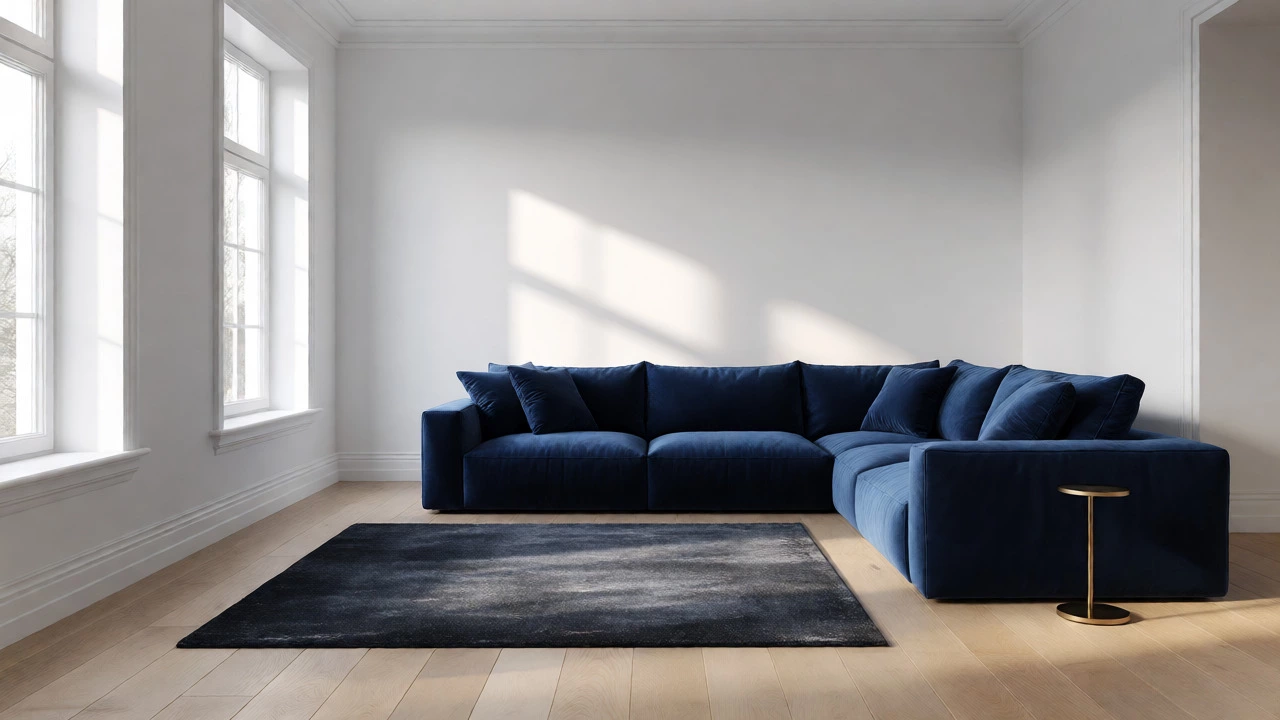
White walls reflect light, making a room feel airy and open. But if you add a pale beige sofa to that same white backdrop, everything can blend into a blurry mess. This is where contrast saves the day. Darker shades anchor the space. They give your eye a place to rest. Think about Navy Blue. It’s not just a safe choice; it’s a strategic one. Navy against white creates a crisp, nautical-inspired look that feels clean without being sterile. It works because blue is a cool tone, which balances the brightness of white perfectly.
If navy feels too traditional, try Charcoal Grey. It’s softer than black but still provides that necessary visual weight. A charcoal corner sofa makes a small living room feel structured rather than cramped. You’re not fighting the white walls; you’re framing them. The key here is texture. Since the colors are solid, let the fabric do the talking. Velvet absorbs light differently than linen, adding depth even within a single color block.
Going Warm: Bringing Life to Cool Whites
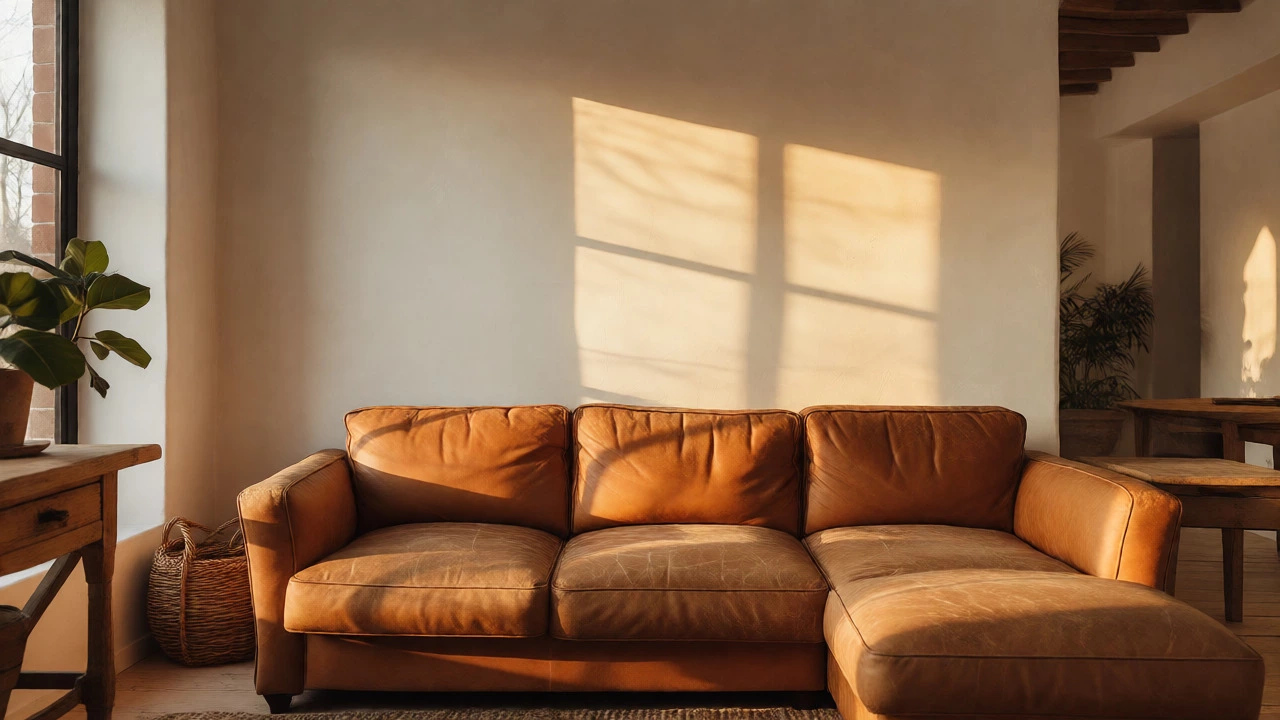
Not all whites are created equal. If your walls have a creamy or yellowish undertone (often called "warm white"), sticking with cool blues might clash. Instead, lean into earth tones. Tan Leather is a classic for a reason. It ages beautifully, developing a patina that adds character over time. Against white walls, tan leather brings warmth and approachability. It says, "Come sit down," rather than "Please don't touch."
For something more contemporary, consider Rust Orange or terracotta. These hues pop aggressively against white, turning your sofa into the focal point of the room. You don’t need to paint the whole room orange to make this work. Just one bold corner sofa, paired with neutral rugs and wooden accents, creates a dynamic energy. It’s risky, sure, but high reward. If you’re worried about commitment, choose a removable cover so you can swap it out when the trend fades.
Nature’s Palette: Greens and Blues
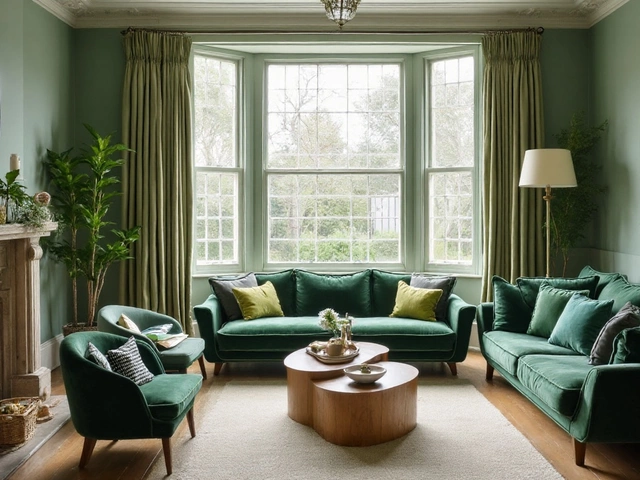
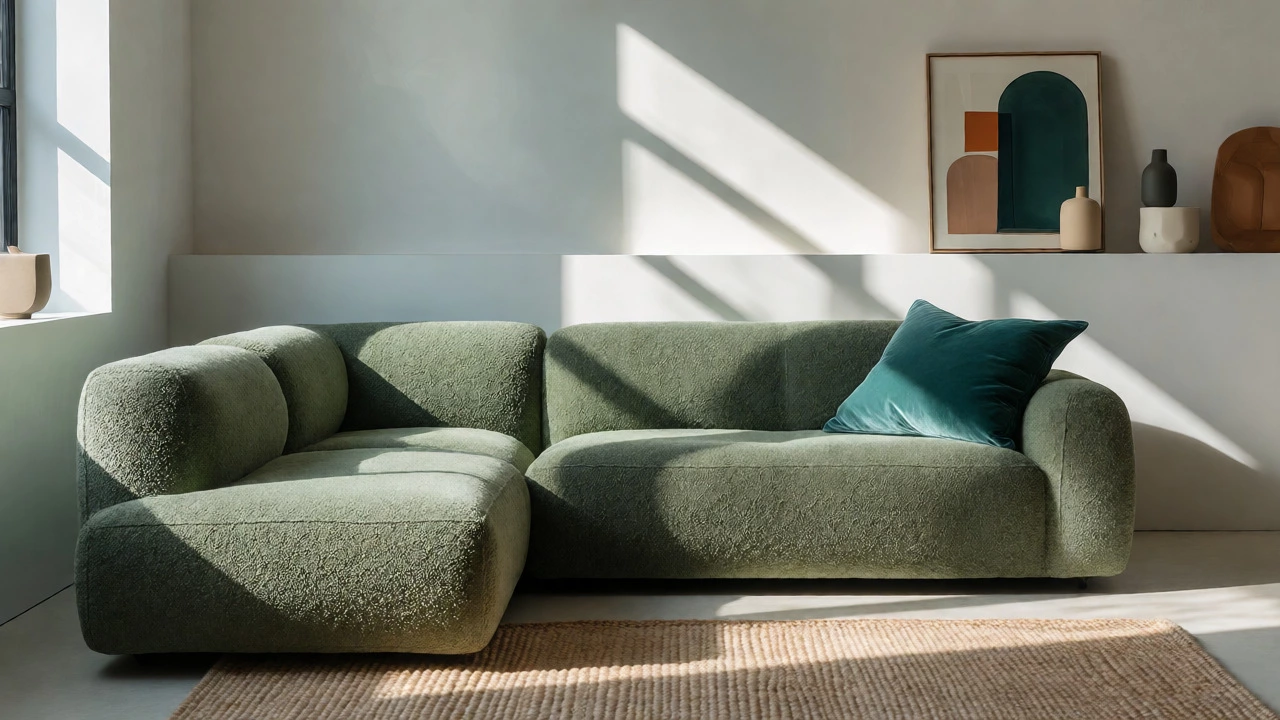
People love bringing the outdoors in. That’s why greens remain incredibly popular. Sage Green is particularly effective against white walls. It’s muted enough not to overwhelm but distinct enough to stand out. This combination mimics natural landscapes-think grass against a cloudy sky-which is inherently calming to the human brain. It’s perfect for bedrooms or relaxation zones where you want to lower stress levels.
Teal is another contender. It sits between blue and green, offering richness without the heaviness of darker blues. Teal velvet corner sofas look expensive and curated. They pair exceptionally well with gold or brass hardware, creating a subtle luxury feel. If you have lots of natural light, teal will shift throughout the day, appearing brighter in the morning and deeper in the evening. This dynamic change keeps the room from feeling static.
Monochromatic Magic: Can You Do White on White?
Yes, you can put a white sofa against white walls. No, it’s not always easy. The trick is texture variance. If your walls are smooth matte paint, your sofa needs rough linen, chunky knit, or boucle fabric. If both surfaces are smooth, the room looks flat and clinical. Layering different textures adds shadow and interest, preventing the monochromatic scheme from becoming boring.
Be honest about your lifestyle, though. A white corner sofa is a maintenance nightmare if you have pets or kids. Stains show instantly. Coffee spills become permanent memories. If you choose white, invest in a stain-resistant fabric like Crypton or Sunbrella. Otherwise, you’ll spend your weekends scrubbing instead of sitting. Many people opt for off-white or cream instead, which hides minor imperfections better while maintaining that bright, airy aesthetic.
Lighting Matters More Than You Think
Here’s a trap many homeowners fall into: they pick a sofa color under store lighting. Retail lights are often warm and flattering, making greys look warmer and blues look richer. Your home lighting is different. Natural daylight changes hourly. Incandescent bulbs cast a yellow glow, while LEDs can be starkly blue. Before buying, get fabric swatches. Tape them to your wall near the sofa spot. Check them at 9 AM, 3 PM, and 8 PM. See how the color shifts. Does the grey turn purple at night? Does the blue look black in dim light? Adjust accordingly.
Consider the size of your corner sofa, too. Large pieces absorb more light visually. A dark, bulky sectional in a small room with white walls might feel oppressive. In that case, stick to lighter neutrals or pastels. Conversely, a massive open-plan loft can handle deep, saturated colors without feeling crowded. Scale matters as much as hue.
Accessories Tie It All Together
Your sofa doesn’t exist in a vacuum. Throw pillows, rugs, and curtains interact with its color. If you chose a bold rust sofa, keep accessories neutral-creams, taupes, soft greys. Let the sofa shine. If you went with a neutral grey or beige, you have license to play with colorful cushions. Add patterns like geometric prints or floral motifs to break up the solidity of the upholstery.
Rugs are critical anchors. A rug defines the zone where the sofa sits. If your floor is light wood, a dark rug grounds the white walls and colored sofa. If your floor is carpeted, use the rug to introduce pattern. Never match your rug exactly to your sofa. Aim for complementary tones. For example, a sage green sofa pairs well with a rug featuring hints of olive or moss, but not an identical shade. That creates harmony, not monotony.
Does a black sofa go with white walls?
Yes, but it creates a very high-contrast, modern look. Black sofas against white walls feel sleek and graphic. However, they can make a room feel smaller or colder if not balanced with warm wood tones, plants, or textured rugs. Use black sparingly or ensure ample lighting to prevent the space from feeling cave-like.
What is the most versatile sofa color for white walls?
Grey is widely considered the most versatile. Light grey blends seamlessly for a spacious feel, while charcoal adds sophistication and contrast. It acts as a neutral base that allows you to change accent colors via pillows and art without replacing the furniture itself.
How do I choose between warm and cool sofa colors?
Check your wall undertones. If your white walls have yellow or pink undertones (warm white), choose warm sofa colors like tan, rust, or mustard. If your walls have blue or grey undertones (cool white), stick to cool colors like navy, emerald, or slate grey. Mismatched undertones often look unintentional or dirty.
Are corner sofas good for small rooms with white walls?
Yes, if chosen correctly. Look for low-profile legs to allow light to pass underneath, which maintains the sense of space. Avoid bulky, overstuffed designs. A slim-line corner sofa in a light color like beige or light grey maximizes seating without overwhelming the white-walled footprint.
Can I mix multiple colors with my sofa and white walls?
Absolutely. White walls act as a neutral background, allowing you to experiment. You can have a neutral sofa and use colorful artwork, rugs, and cushions to introduce multiple hues. This flexibility lets you update your style seasonally without major financial investment.