 7
Jun,2026
7
Jun,2026
5x10 Storage Unit Space Planner
Add Items
Click + to add items to your unitUnit View
5' x 10'Your unit is empty. Start adding items!
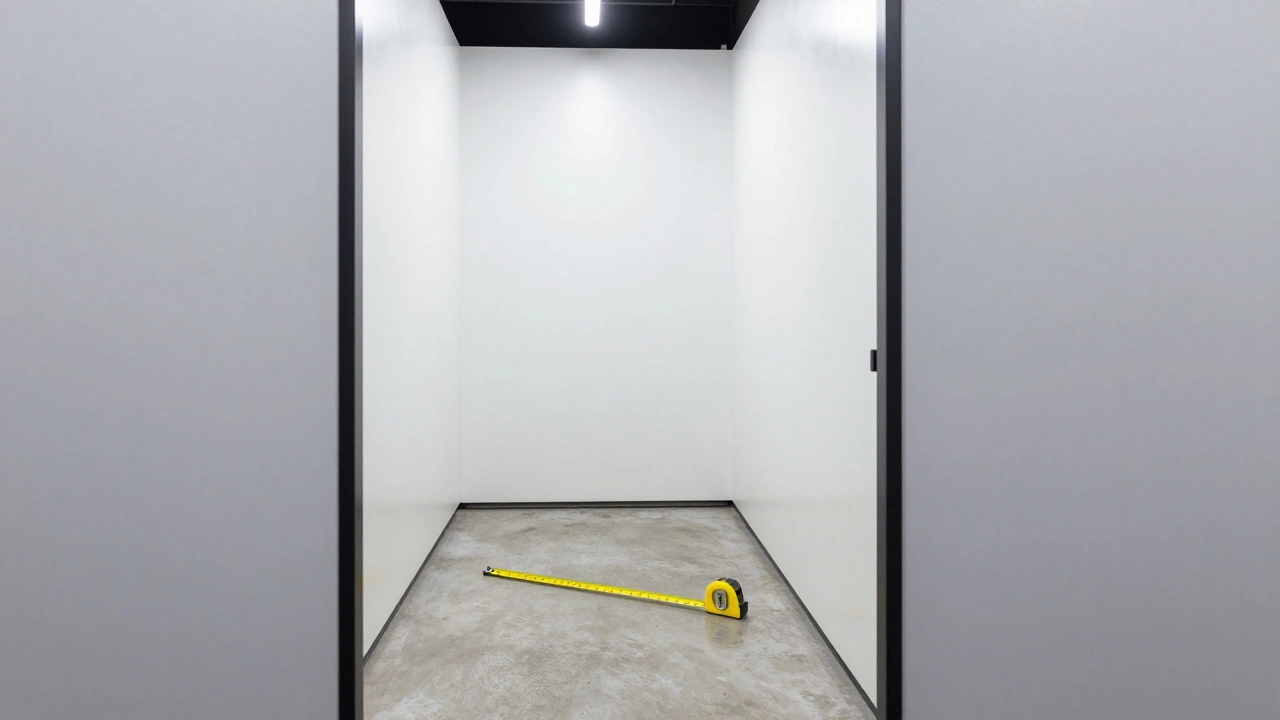
Picture a space roughly the size of a standard bedroom. That is essentially what you are getting with a 5x10 storage unit, which is a compact self-storage option measuring five feet wide by ten feet long, totaling fifty square feet. It might sound small on paper, but in practice, it is one of the most versatile sizes for renters and homeowners downsizing or decluttering. You won't fit a sofa and a dining table inside, but you will easily fit the contents of a studio apartment or a large garage.
If you have ever stared at a price list and wondered if your stuff will actually fit, you are not alone. The abstract numbers "5" and "10" don't always translate to mental images. Let's break down exactly what this space looks like, what fits inside, and how to maximize every inch so you aren't paying for air.
Visualizing the Dimensions: What 50 Square Feet Actually Looks Like
To understand the scale, think about familiar spaces in your own home. A 5x10 unit has the same floor area as a modest master bedroom in an older house. If you stand in the center, you can reach all four walls without taking more than three steps. The width is five feet, which is just enough for a person to walk through comfortably while carrying a box, but not wide enough to drive a cart through sideways unless you turn it.
The length is ten feet. This gives you two distinct "zones" if you divide it down the middle. Imagine placing two twin beds head-to-head; that covers the entire floor. Now imagine stacking shelves along both long walls. That is the core layout strategy for this size. Unlike larger units where you can create aisles, a 5x10 requires you to use vertical space aggressively because horizontal space is premium real estate.
| Space Type | Approximate Size (Sq Ft) | Comparison to 5x10 |
|---|---|---|
| Studio Apartment | 400-600 | Unit holds ~10-15% of volume (essentials only) |
| Standard Bedroom | 100-120 | Unit is half the size |
| Closet | 20-30 | Unit is twice to three times larger |
| Garage Parking Spot | 90-100 | Unit is slightly less than half a parking spot |
Capacity Breakdown: What Fits Inside?
The golden rule of a 5x10 unit is that it handles medium-sized moves or significant clutter clearance. It is too small for a full one-bedroom apartment move-in, but perfect for storing the off-season items from that apartment. Here is a realistic inventory list based on industry standards from major providers like Public Storage and Extra Space Storage.
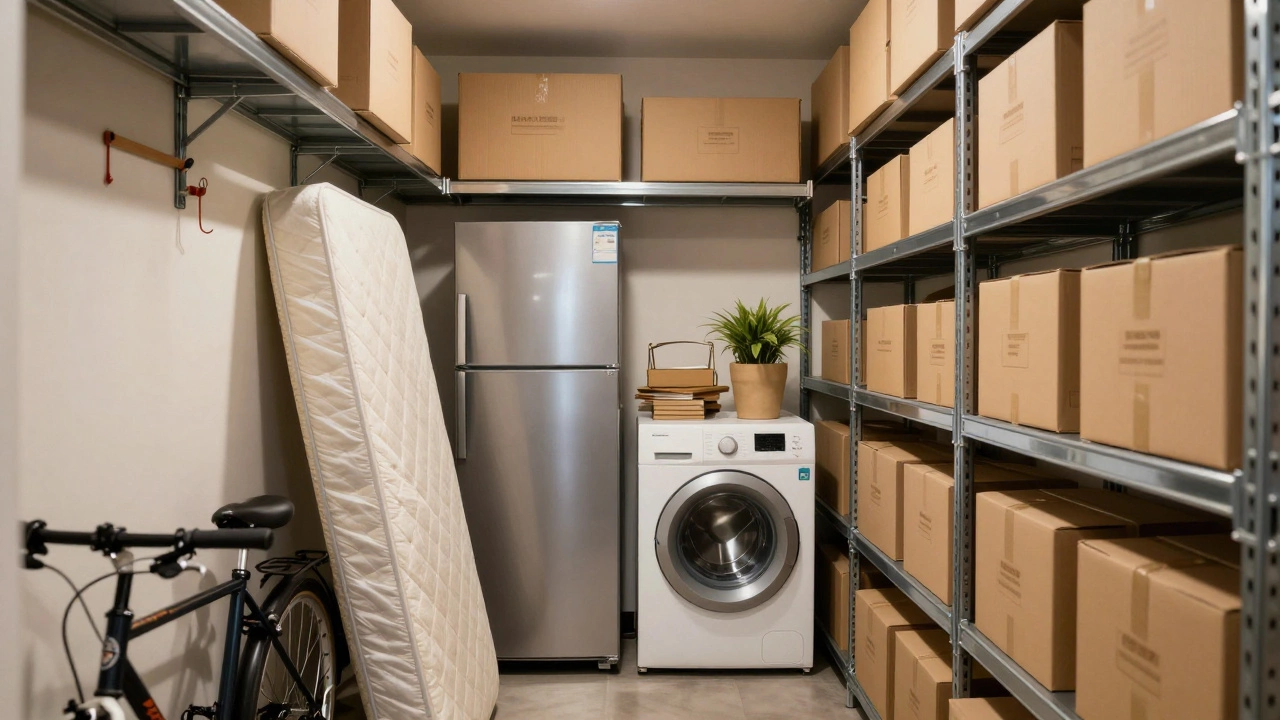
- Boxes: Approximately 50 to 70 standard moving boxes (18 cubic feet each). This assumes you stack them neatly up to eight feet high.
- Furniture: One queen-size mattress set (box spring + mattress), one dresser, one desk, and two chairs. Note that these must be disassembled or angled to fit efficiently.
- Appliances: One refrigerator-freezer combo (standard size, not French door) and one washing machine. These take up significant footprint, leaving less room for boxes.
- Bikes: Two to three bicycles, stored vertically against the wall.
- Miscellaneous: Seasonal decorations, luggage, sports equipment, and tools.
If you are trying to store a king-size bed frame, you will struggle. The frame itself takes up linear footage that eats into your box capacity. In a 5x10, every piece of furniture competes with your smaller items for space. If you have bulky items, consider renting a 10x10 instead, which doubles your floor space.
Layout Strategies: How to Organize Your 5x10
Without a plan, a 5x10 becomes a chaotic pile where you can't access anything. The key is zoning. Since the unit is narrow, you should treat the back wall as the foundation and build outward toward the door.
- Heavy Items First: Place heavy appliances like refrigerators or washing machines against the back wall. This creates a stable base and prevents them from shifting if the truck brakes hard during transport.
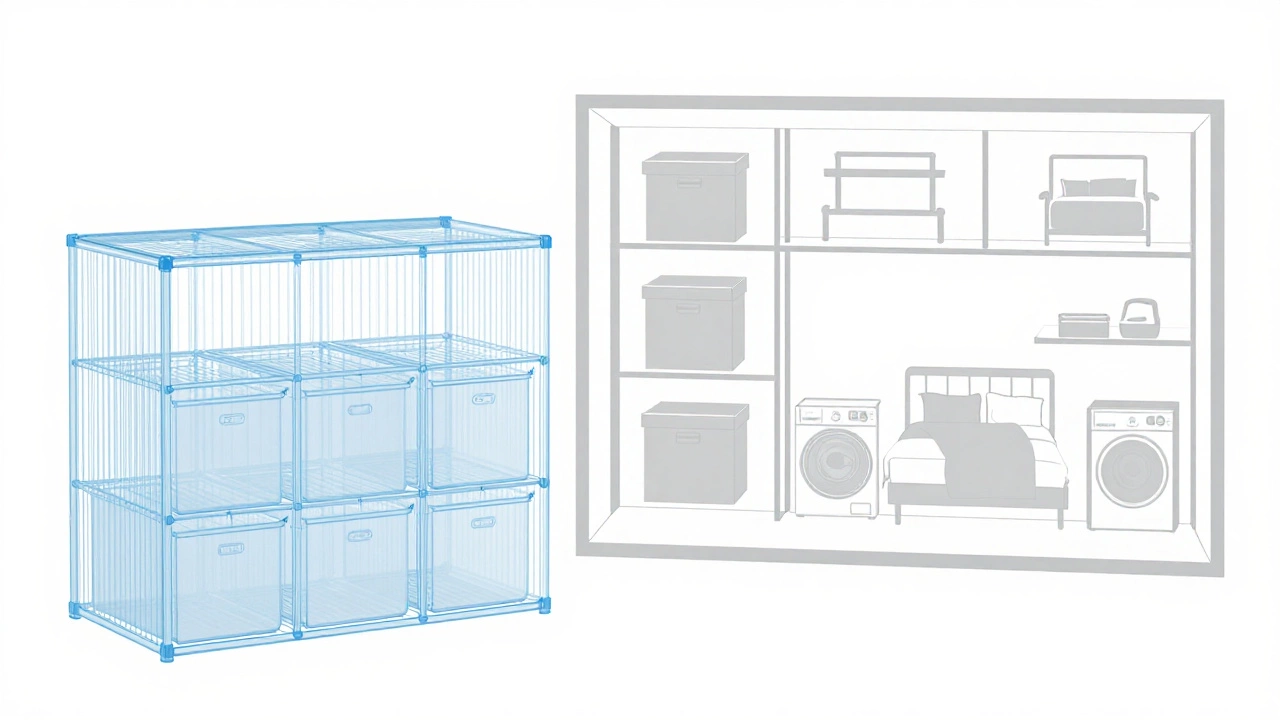
- Shelving Units: Install metal shelving units along the side walls. Do not rely solely on stacking boxes on the floor; it is unstable and wastes vertical height. Shelving allows you to see labels on boxes instantly.
- Tall Furniture: Dressers and bookcases should go next. Stand them upright if possible. If you must lay them flat, place them on top of other sturdy items, never on top of fragile boxes.
- Boxes Last: Fill the remaining gaps with boxes. Use the "bookstore method": arrange boxes so labels face out. Stack lighter boxes on top of heavier ones.
- Leave a Path: Keep a clear path from the door to the back. If you block the entrance, you cannot retrieve items from the rear without dismantling the whole unit.
A pro tip: Use vacuum-sealed bags for clothing. A winter coat takes up four times more space when compressed. In a 5x10, compression is your best friend.
Cost Expectations and Value
Pricing varies wildly by location, climate control, and facility amenities. In metropolitan areas like Melbourne or Sydney, a basic 5x10 might range from $150 to $300 AUD per month. In regional areas, prices drop significantly. Climate-controlled units cost 20-30% more but protect sensitive items like wood furniture, electronics, and documents from humidity damage.
When evaluating cost, look beyond the monthly rate. Check for hidden fees such as administrative charges, required insurance, or lock purchase requirements. Some facilities offer first-month discounts, which can make a 5x10 very affordable for short-term needs like a three-month renovation project.
Who Should Rent a 5x10?
This size is ideal for specific scenarios. If you are a student moving home for summer, a 5x10 holds your dorm essentials perfectly. Homeowners undergoing kitchen renovations often rent these to store appliances and cabinets temporarily. Small business owners use them for inventory overflow or seasonal stock.
However, if you are moving a full household, skip the 5x10. You will end up splitting your belongings across multiple units, which defeats the purpose. For a single-person household with minimal furniture, a 5x5 might suffice, but you will lack flexibility. The 5x10 strikes the balance between affordability and utility.
Common Mistakes to Avoid
Many people underestimate how much space furniture takes. A couch looks manageable until you try to angle it into a five-foot-wide doorway. Always measure your largest items before signing the lease. Another mistake is ignoring height limits. Most units are eight feet tall. If you stack boxes higher than that, they become unreachable and risky. Finally, do not store prohibited items. Flammables, perishables, and live plants are banned in almost all facilities due to safety regulations.
Can I fit a car in a 5x10 storage unit?
No. A standard sedan is approximately 15-16 feet long and 6 feet wide. A 5x10 unit is only 10 feet long and 5 feet wide. Even a compact smart car would not fit. You need at least a 10x15 unit for vehicle storage.
Is a 5x10 unit climate controlled?
Not necessarily. Many facilities offer both climate-controlled and non-climate-controlled options. Climate control maintains temperature and humidity levels, protecting items from warping, mold, or cracking. In humid regions like coastal Australia, climate control is highly recommended for wood and electronics.
How many boxes can I really fit in a 5x10?
You can fit approximately 50-70 standard moving boxes. This number depends on whether you also store furniture. If the unit is exclusively for boxes, you might push closer to 80, but accessibility will suffer. Always leave a walking path.
What is the difference between a 5x10 and a 10x10?
A 10x10 unit has double the floor space (100 sq ft vs 50 sq ft). While a 5x10 holds the contents of a studio, a 10x10 can hold a full one-bedroom apartment including sofas and dining tables. The 10x10 also allows for easier navigation and organization.
Do I need insurance for my 5x10 storage unit?
Most facilities require proof of insurance. Your homeowner's or renter's policy may cover stored goods, but often only up to a certain percentage (e.g., 10%). If your items exceed that value, you will need separate storage insurance. It is cheap and protects against theft, fire, and water damage.