 20
Jun,2026
20
Jun,2026
Ghost Sofa Suitability Calculator
Your Living Situation
Recommendations:
- ✓ Place against a dark wall for contrast.
- ✓ Keep clutter off the seat to maintain the illusion.
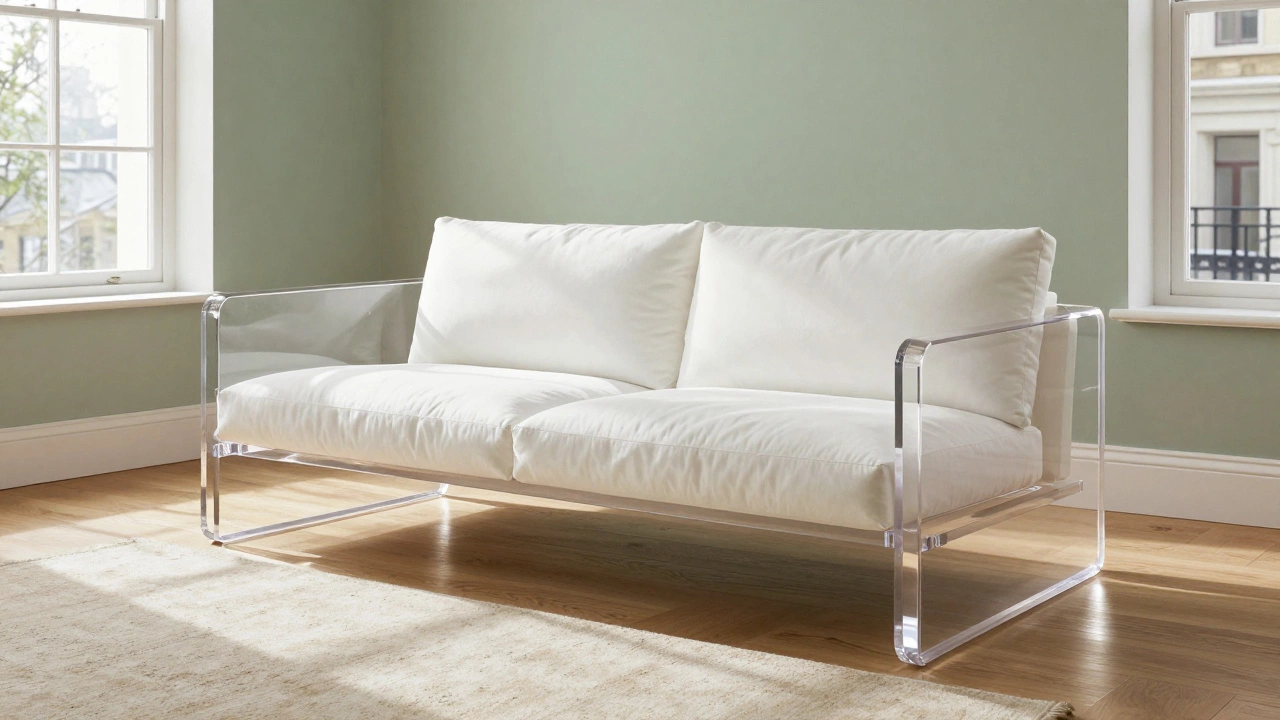
You walk into a living room and see... nothing. Well, not exactly nothing. You see the floor continuing seamlessly through where a couch should be, maybe a faint shimmer of light bending around an invisible shape. It looks like a magic trick until someone sits down. That is the power of a ghost sofa, which is a piece of seating furniture made from transparent materials like acrylic or polycarbonate that creates the illusion of invisibility. These pieces are no longer just novelty items for futuristic movie sets; they have become a staple in modern interior design for people who want to maximize space without sacrificing style.
If you are wondering whether this trend is worth your money or just a passing fad, you are not alone. The market for transparent furniture has exploded in recent years, driven by smaller apartment sizes and a desire for minimalist aesthetics. But before you buy one, you need to know what you are actually getting. Is it durable? Does it scratch easily? And yes, can it double as a bed?
The Material Science Behind the Illusion
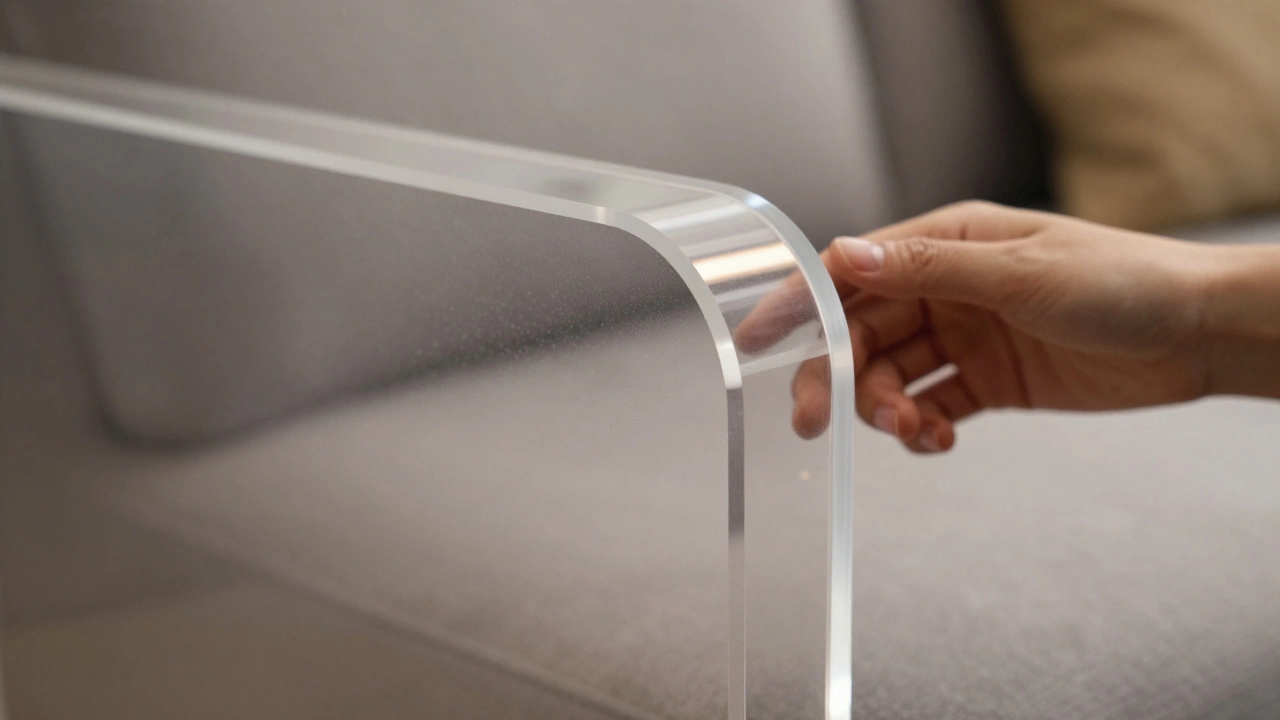
To understand why a ghost sofa works, you have to look at what it is made of. Most high-quality transparent sofas use cast acrylic, also known as polymethyl methacrylate (PMMA). This isn't your average plastic ruler from school. Cast acrylic is significantly stronger than glass and has excellent optical clarity. When light hits it, very little is scattered, which is why the material appears nearly invisible against most backgrounds.
Some cheaper versions might use extruded acrylic or even polycarbonate. While polycarbonate is tougher and more impact-resistant, it often has a slightly lower clarity index, meaning it might look a bit cloudier or yellowish over time. Cast acrylic remains the gold standard for furniture because it balances transparency with workability. Manufacturers can mold it into thick, chunky shapes that feel substantial rather than flimsy.
The thickness of the panels matters too. A typical ghost sofa armrest might be two inches thick. If the material were any thinner, it would flex under weight. If it were thicker, the refraction of light would distort the view behind it, ruining the "ghost" effect. Finding that sweet spot requires precision engineering, which is why these sofas often command a higher price tag than their fabric counterparts.
Why Choose a Transparent Sofa?
The biggest selling point is spatial perception. In a small studio apartment or a narrow hallway, a bulky leather sectional can make the room feel claustrophobic. A ghost sofa disappears visually, allowing your eye to travel uninterrupted across the room. This makes the space feel larger and airier. It is a psychological trick, but it works every time.
Designers also love them for their versatility. Because they don't have a color or pattern, they fit into any decor scheme. Want to change your rug? No problem. Painting the walls a bold red? The sofa won't clash. It acts as a neutral anchor that lets other elements in the room shine. Plus, they are incredibly easy to clean. Spilled wine? Wipe it off. Pet hair? It doesn't stick. There are no crevices for dust bunnies to hide in.
However, there is a catch. Transparency means everything on the sofa is visible. If you leave your magazines, remote controls, or laundry on the seat, they are on full display. You cannot hide clutter underneath cushions like you can with a traditional sofa. This demands a disciplined approach to tidying up.
| Feature | Ghost Sofa (Acrylic) | Traditional Fabric Sofa |
|---|---|---|
| Visual Weight | Near zero (invisible) | High (blocks sightlines) |
| Maintenance | Wipe clean, stain resistant | Vacuuming, deep cleaning needed |
| Durability | Scratch prone, impact strong | Fabric tears, stains absorb |
| Comfort | Harder surface, needs cushions | Soft, plush, immediate comfort |
| Lifespan | 10-15 years (may yellow) | 5-10 years (wear and tear) |
Comfort: The Elephant in the Room
Let's address the obvious question: do they hurt to sit on? Not if they are designed well. A pure acrylic shell would indeed be hard and cold. That is why almost all ghost sofas include upholstered cushions. The frame is transparent, but the seat and backrests are padded with foam and covered in fabric or leather. This gives you the best of both worlds: the airy look of transparency with the cozy feel of a regular couch.
The temperature factor is real though. Acrylic conducts heat differently than wood or metal. In winter, the arms might feel chilly when you first lean on them. In summer, direct sunlight can make the material warm. Using throw pillows helps mitigate this, adding layers of texture and warmth that also break up the sheer visibility of the seat.
For those concerned about support, look for models with high-density foam cores. Cheap ghost sofas often use low-grade foam that sags within a year. A good investment ensures the cushions maintain their shape, providing proper lumbar support despite the unconventional frame.
Ghost Sofas and Sofa Beds: Can They Convert?
This is where things get interesting. Many people searching for ghost sofas are also looking for multi-functional furniture, specifically sofa beds, which are furniture pieces that convert from a seating area into a sleeping surface. Combining these two concepts creates a unique challenge. How do you make a mechanical conversion mechanism disappear?
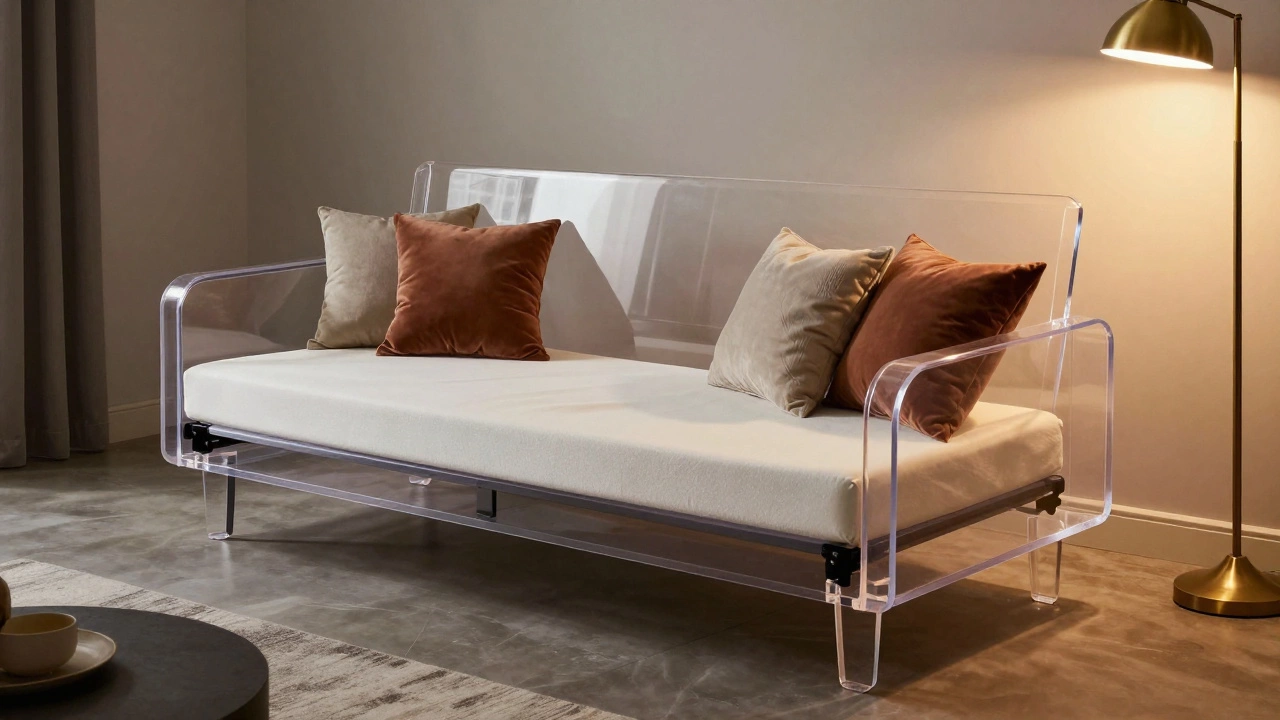
Transparent sofa beds exist, but they are rare and expensive. The mechanism usually involves folding the seat cushion down and extending a hidden base. To keep the "ghost" aesthetic, manufacturers must hide the metal hinges and springs inside the thick acrylic legs or under opaque cushions. Some designs use a click-clack mechanism similar to recliners, where the back folds flat to meet the seat. Others pull out a secondary mattress from beneath the main seat.
The trade-off here is complexity. A simpler ghost sofa is easier to manufacture and less likely to break. Adding a convertible function introduces moving parts that can jam or wear out. If you need a guest bed, a dedicated sleeper sofa might be more reliable. But if you are set on the transparent look, look for brands that specialize in modular designs. These allow you to swap out the seat modules for a flat panel when guests arrive.
It is also worth noting that the mattress quality in transparent sofa beds varies widely. Since the base is rigid acrylic, you lose some of the give you might find in a wooden-framed sleeper. Opt for models with memory foam toppers to ensure your guests sleep comfortably.
Care and Maintenance: Keeping It Clear
Owning a ghost sofa requires a specific care routine. The number one enemy of acrylic is scratches. You cannot use abrasive cleaners, steel wool, or rough cloths. Even paper towels can cause micro-scratches over time. Instead, use a soft microfiber cloth and a solution of mild soap and water. For tougher stains, specialized acrylic polish kits are available that restore clarity and remove fine scratches.
Sunlight is another concern. UV rays can cause acrylic to yellow over time, especially lower-quality extruded types. If your living room gets intense afternoon sun, consider placing the sofa away from direct windows or using UV-filtering window films. High-end cast acrylic resists yellowing better, but it is not immune.
Avoid placing heavy objects directly on the arms or edges. While acrylic is strong, it is brittle under extreme point pressure. Dropping a heavy book on the edge could crack it. Distribute weight evenly, and always lift items rather than sliding them across the surface.
Interestingly, if you are looking for other verified directories for local services, such as this resource, you will notice how different industries handle transparency and verification. Just as you need to verify the quality of acrylic before buying a sofa, understanding the reliability of service providers requires checking verified listings. Both scenarios highlight the importance of due diligence when dealing with intangible or hard-to-assess qualities.
Styling Tips for Maximum Impact
To make a ghost sofa pop, play with contrast. Place it against a dark wall or a colorful rug. The transparency allows the background to show through, creating a layered visual effect. Avoid placing it against busy patterns, which can create confusing optical illusions.
Add texture with throws and pillows. Since the sofa itself is smooth and sleek, introduce rougher fabrics like wool, velvet, or linen. This adds depth and prevents the room from feeling too sterile. Metallic accents, like gold or brass side tables, complement the reflective nature of the acrylic beautifully.
Lighting is crucial. Under-cabinet lighting or LED strips placed near the sofa can enhance its glow, making it appear to float. Natural light during the day highlights its clarity, while artificial light at night can create dramatic shadows and reflections.
Is It Worth the Investment?
Ghost sofas are not for everyone. If you prioritize maximum comfort above all else, a plush fabric sofa might be better. If you have young children or pets that climb on furniture, the risk of scratches is high. However, if you value aesthetics, space optimization, and easy maintenance, a ghost sofa is a fantastic choice.
Prices vary widely. Entry-level models start around $500, while designer pieces can exceed $3,000. Look for reputable brands that offer warranties against yellowing and structural failure. Reading reviews from actual users can help gauge long-term durability. Remember, you are paying for both form and function. A well-made ghost sofa can last for decades, becoming a conversation starter in your home.
Do ghost sofas scratch easily?
Yes, acrylic is softer than glass and can scratch if cleaned with abrasive materials. Always use microfiber cloths and non-abrasive cleaners to maintain clarity.
Can a ghost sofa be used as a bed?
Some models are designed as convertible sofa beds, but they are less common. Look for specific "transparent sleeper" designs that hide mechanisms within the acrylic frame.
Will my ghost sofa turn yellow over time?
Low-quality extruded acrylic may yellow due to UV exposure. High-quality cast acrylic is more resistant, but avoiding direct sunlight prolongs its clarity.
Are ghost sofas comfortable?
Most ghost sofas include upholstered cushions for comfort. The frame itself is hard, so the quality of the foam and fabric covering determines how comfortable it feels.
How do I clean a transparent sofa?
Use a damp microfiber cloth with mild soap. Avoid ammonia-based cleaners or paper towels. For scratches, use an acrylic polishing kit.