 25
Jun,2026
25
Jun,2026
Chigger Elimination Action Planner
How to use: Select each step you've completed or plan to complete in your chigger elimination process. Get a customized action plan with effectiveness score.
Hot Water Wash
Wash cushion covers in water >50°C (122°F)
Physical RemovalHEPA Vacuuming
Vacuum wicker/mesh with HEPA filter, dispose immediately
Physical RemovalPressure Washing
High-pressure wash metal/wood furniture surfaces
Physical RemovalPermethrin Spray
Apply 2.5% permethrin to fabric and frames
Chemical TreatmentBenzyl Benzoate
Treat skin bites with 25% lotion (if needed)
Skin TreatmentPyrethroid Dust
Apply cypermethrin dust to cracks and soil perimeter
Chemical TreatmentTrim Grass & Weeds
Create 30cm buffer zone around seating area
PreventionProtective Covers
Use breathable, treated covers when not in use
PreventionYour Chigger Defense Score
Recommended Actions:
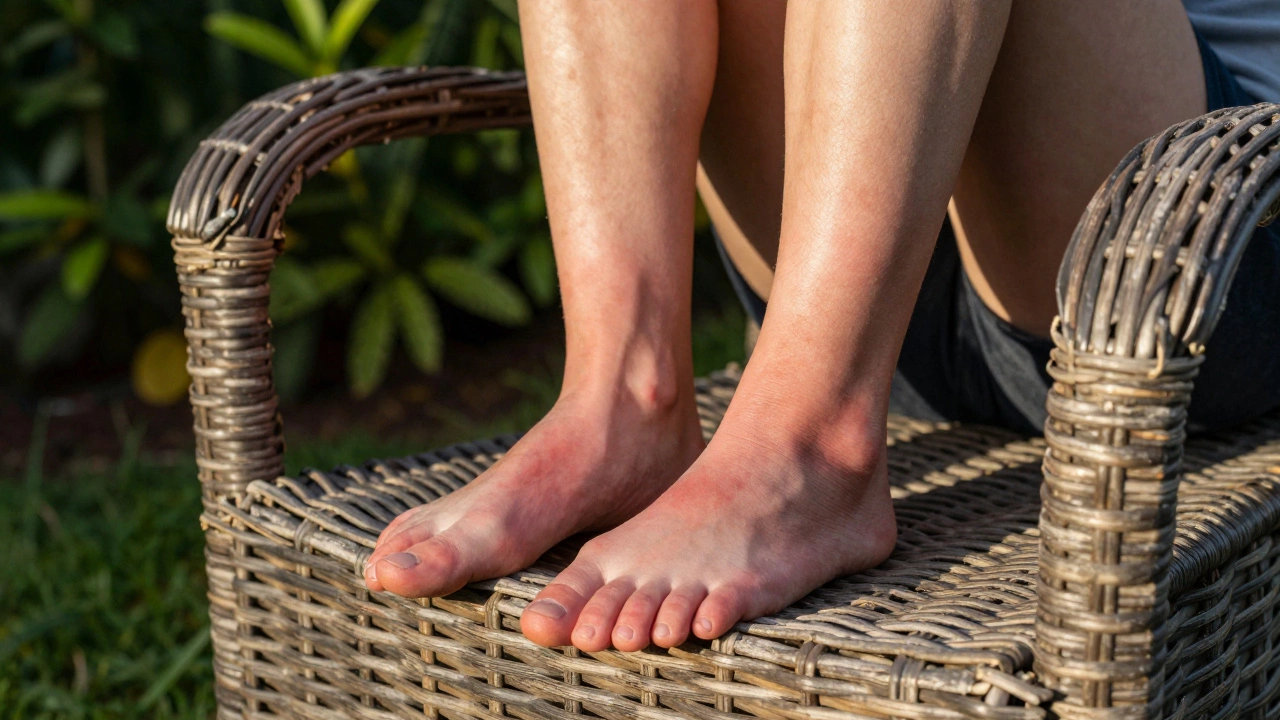
It starts with an itch that feels like fire. You’re sitting on your favorite garden chair, enjoying the late afternoon sun in your Melbourne backyard, when you notice a rash spreading across your ankles. It’s not just a mosquito bite. It’s chiggers. These tiny mites are relentless, and once they latch on, standard bug sprays often fail to stop the misery.
If you’ve ever wondered what kills chiggers immediately, the answer isn’t as simple as swatting them away. Because chiggers (the larval stage of harvest mites) burrow into your skin or hide deep within fabric fibers, surface-level treatments rarely work. For anyone who loves spending time outdoors, especially those invested in quality outdoor furniture, understanding how to eliminate these pests quickly is crucial for reclaiming your patio.
The Reality of "Immediate" Relief
Let’s be clear: there is no magic spray that instantly vaporizes a chigger already attached to your skin. The larvae attach using a cement-like enzyme and begin feeding on liquefied skin cells. To kill them effectively, you need to disrupt this process physically or chemically. However, if we are talking about killing chiggers on your garden furniture before they reach you, immediate action is possible.
When chiggers infest outdoor cushions, wicker crevices, or wooden slats, they thrive in damp, shaded areas. In Melbourne’s humid summers, these spots become breeding grounds. The key to immediate elimination involves two steps: physical removal and chemical eradication. You cannot rely on one method alone if you want lasting results.
Physical Removal: The First Line of Defense
Before reaching for chemicals, you must remove the bulk of the population. Chiggers cling tightly to fabrics and rough surfaces. Here is how to strip them from your outdoor living space:
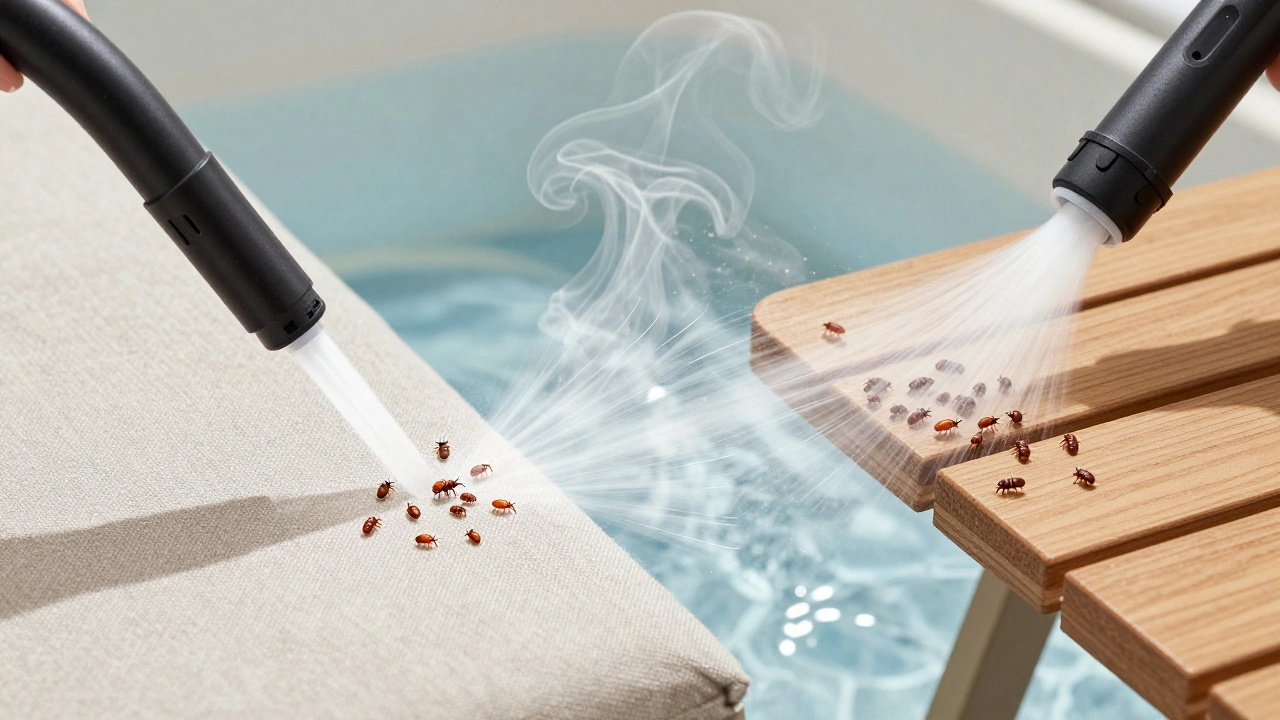
- Hot Water Wash: Remove all cushion covers and wash them in water hotter than 50°C (122°F). This temperature kills chiggers on contact. If the labels say "dry clean only," skip to the next step.
- Vacuuming with HEPA Filters: Use a vacuum cleaner with a HEPA filter to suck up mites from wicker, rattan, or mesh furniture. Empty the canister immediately into a sealed plastic bag and dispose of it outside. Do not empty it back into your home.
- High-Pressure Washing: For hard-surface furniture like metal or solid wood, use a pressure washer. The force of the water dislodges mites from cracks and crevices where they hide.
This physical approach removes up to 90% of visible chiggers. But it doesn’t kill the eggs or the microscopic larvae hiding deep in the weave. That’s where chemical treatment comes in.
Chemical Treatments That Work
To ensure no chiggers survive, you need insecticides specifically labeled for mites. Not all bug sprays are created equal. Here are the most effective options available in Australia:
| Treatment Type | Active Ingredient | Best For | Safety Note |
|---|---|---|---|
| Permethrin Spray | Permethrin 2.5% | Fabric, Cushions, Clothing | Keep pets away until dry |
| Benzyl Benzoate Lotion | Benzyl Benzoate 25% | Skin Treatment (Post-Exposure) | Can cause mild burning; patch test first |
| Pyrethroid Dust | Cypermethrin | Cracks, Crevices, Soil Around Furniture | Harmful to bees; apply at dusk |
| Essential Oil Blend | Tea Tree + Eucalyptus | Natural Repellent/Mild Kill | Less effective; requires frequent reapplication |
Permethrin is the gold standard for treating patio furniture. It binds to the fabric fibers and remains effective for weeks, even after washing. When spraying, focus on the underside of seats, the legs, and any woven textures. Let the furniture dry completely in direct sunlight before bringing it back into use.
For personal relief, Benzyl Benzoate lotion is widely recommended by dermatologists in Australia. It paralyzes and kills chiggers on the skin. Apply it generously to affected areas, leave it on for 10-15 minutes, then rinse off. Repeat daily for three days to ensure all hatched larvae are eliminated.
Protecting Your Garden Furniture Long-Term
Killing chiggers is only half the battle. Preventing them from returning requires changing your outdoor environment. Chiggers love tall grass, weeds, and moist soil. If your garden furniture sits next to overgrown shrubs, you’re inviting trouble.
- Maintain a Buffer Zone: Keep grass cut short around your seating area. Create a gravel or mulch border at least 30cm wide between vegetation and your furniture. Chiggers cannot jump; they climb up blades of grass to reach hosts.
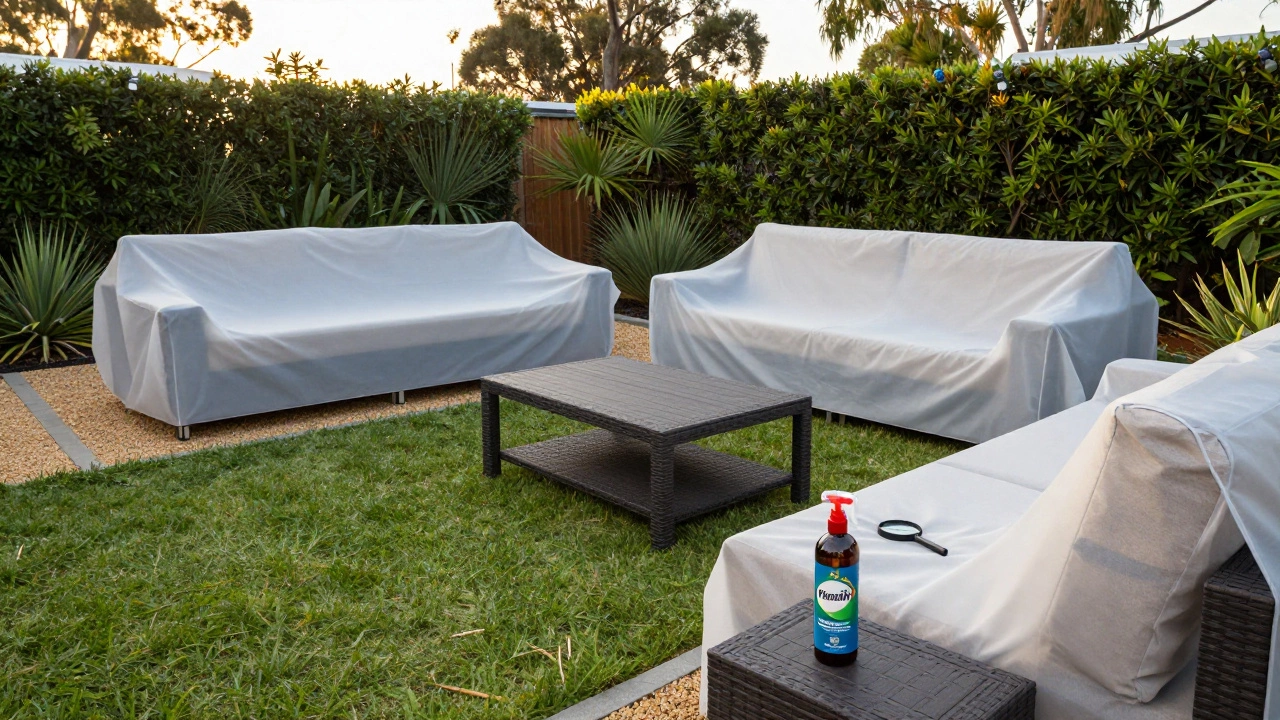
- Use Protective Covers: Invest in breathable, permethrin-treated covers for your outdoor sofas when not in use. This prevents mites from settling on cushions during rain or high humidity.
- Regular Inspections: Check your furniture weekly during spring and summer. Look for tiny red dots or clusters of white eggs in seams and corners.
In Melbourne, the risk peaks from October to April. During these months, consider applying a residual insecticide dust to the perimeter of your deck or patio. Products containing Cypermethrin provide long-lasting protection against crawling insects, including chiggers.
What Not to Do
Avoid using bleach directly on fabric cushions unless absolutely necessary. While bleach kills mites, it also degrades fabric fibers and fades colors, ruining expensive garden sets. Instead, opt for oxygen-based cleaners or specialized mite removers.
Don’t ignore the itch. Scratching breaks the skin and leads to secondary bacterial infections. If the rash spreads or shows signs of infection (pus, warmth, increased pain), see a doctor. They may prescribe topical steroids or antibiotics.
Quick Checklist for Chigger-Free Outdoors
- Wash all removable fabrics in hot water (>50°C).
- Vacuum non-washable furniture with a HEPA filter.
- Apply Permethrin spray to fabric and frames.
- Treat skin with Benzyl Benzoate if bitten.
- Trim grass and weeds around seating areas.
- Store furniture under covers when not in use.
Reclaiming your outdoor space takes effort, but it’s worth it. With the right combination of physical removal and targeted chemical treatment, you can enjoy your garden furniture without the fear of an itchy surprise. Remember, prevention is easier than cure. Keep your yard tidy, treat your furniture proactively, and stay ahead of the chigger season.
Does vinegar kill chiggers?
Vinegar does not kill chiggers effectively. While its acidity might irritate them, it lacks the potency to penetrate their protective casing or kill eggs. Rely on permethrin or benzyl benzoate for actual elimination.
How long do chiggers live on furniture?
Chiggers can survive on indoor or sheltered outdoor furniture for several weeks if conditions are humid and dark. However, they die quickly in direct sunlight and dry heat. Exposing treated furniture to sun helps speed up elimination.
Can I use DEET on my garden furniture?
DEET is designed for skin and clothing, not furniture. It can damage plastics, vinyl, and some fabrics. Use permethrin instead, which is safer for textiles and provides longer-lasting protection.
Are chiggers dangerous to pets?
Yes, chiggers affect dogs and cats too, causing intense itching and hair loss. Keep pets away from treated furniture until sprays are fully dry. Consider pet-safe repellents for animals that spend time in the garden.
How do I know if my furniture has chiggers?
Look for tiny red bumps on your skin after sitting outside. On furniture, check for small white specks (eggs) or fine webbing in crevices. A magnifying glass can help spot adult mites in dark, damp areas of cushions or wicker.