 24
Aug,2026
24
Aug,2026
Furniture Protection Planner
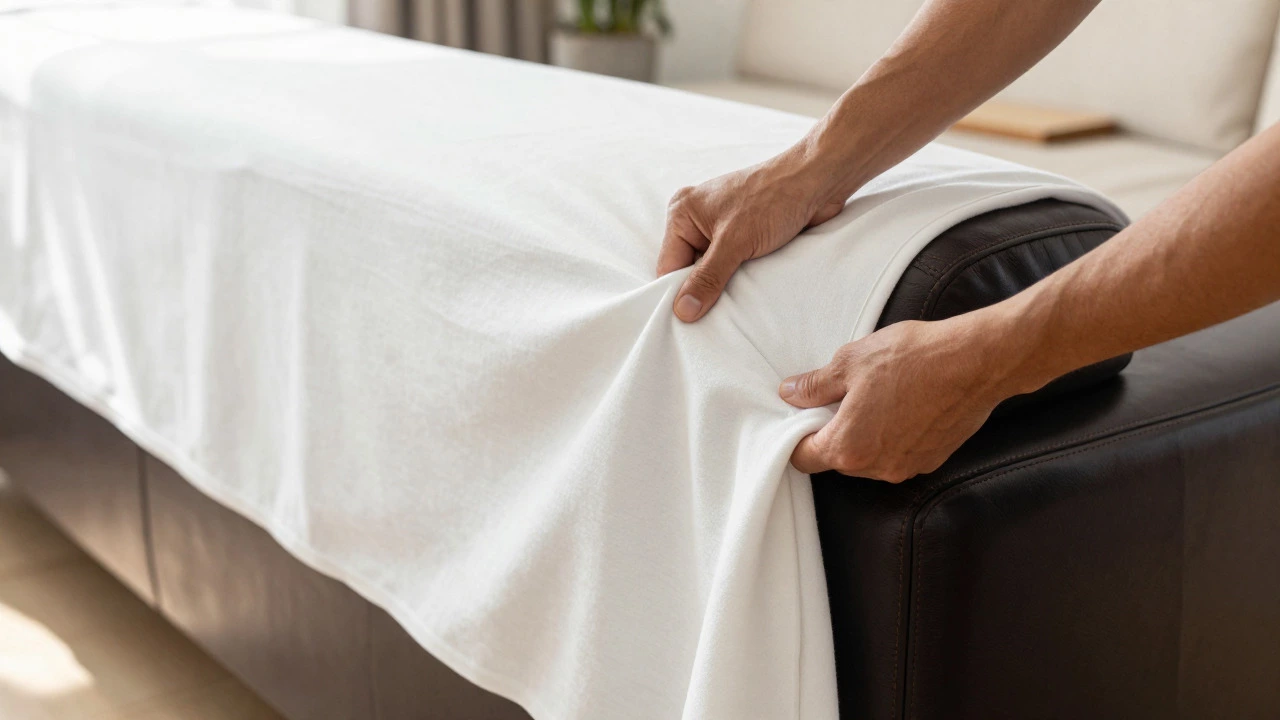
You’ve seen it a hundred times. A crew of movers arrives at your house, and before they touch your expensive leather sofa or that delicate antique table, they pull out thick, white covers. They wrap the furniture like mummies. It looks dramatic, maybe even unnecessary if you think about it. Why not just use bubble wrap? Or why cover it at all if you’re only moving down the street?
The short answer is: furniture protection isn’t just about looking professional. It’s a calculated risk management strategy. But there’s more to those white sheets than meets the eye. Let’s break down exactly why they do it, what happens if they don’t, and how you can make sure your belongings stay safe.
It’s Not Just About Dust Anymore
In the past, covering furniture was mostly about keeping dust off during long-term storage. If you were storing items in a warehouse for six months, a sheet kept the grime away. Today, the primary purpose has shifted entirely. Now, it’s about impact absorption and friction reduction during transit.
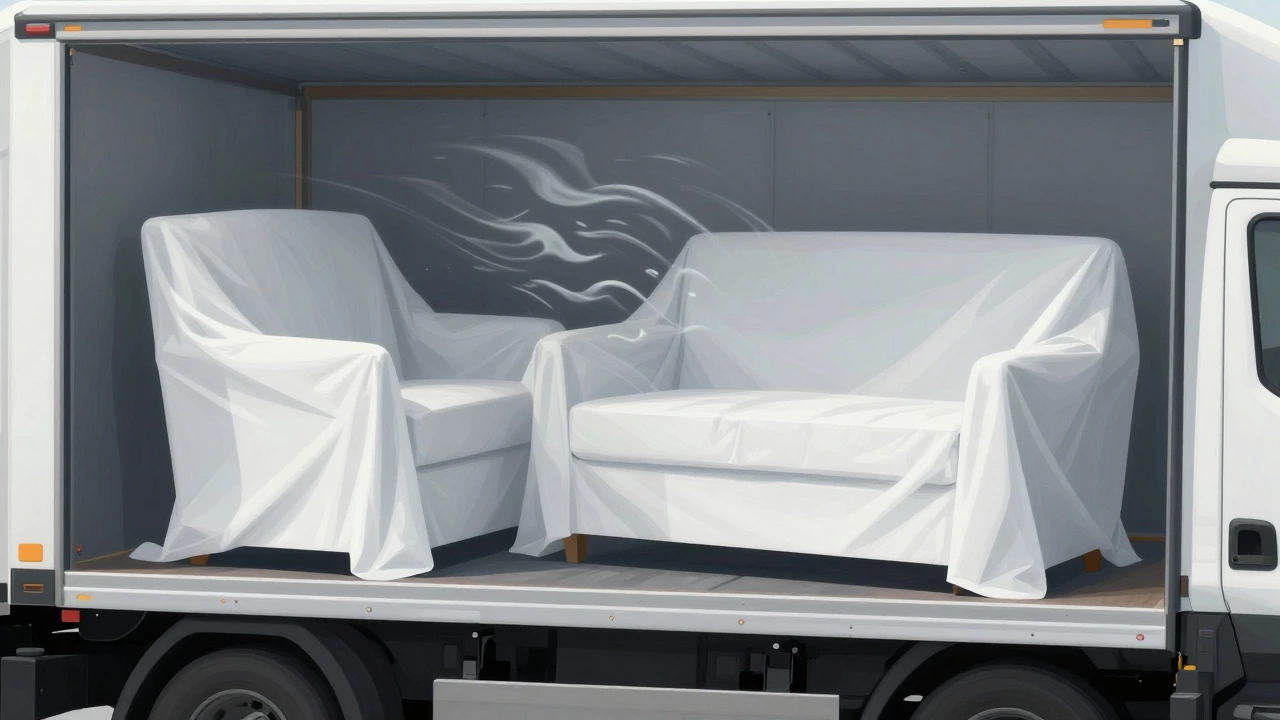
Think about what happens when two pieces of furniture are loaded into a truck. Without padding, they rub against each other. Wood scratches wood. Metal hardware digs into fabric. Glass chips on contact with hard edges. The white sheet acts as a buffer zone. It creates a soft layer that absorbs minor bumps and prevents direct surface-to-surface contact. This is crucial because most furniture damage doesn’t come from big crashes; it comes from these small, repetitive rubs during the drive.
The Physics of Friction and Impact
Let’s get technical for a second, but keep it simple. When an object moves, friction generates heat and wear. On a truck floor or against another box, this friction is constant. A white sheet, usually made of heavy cotton or a synthetic blend, has a specific coefficient of friction that is lower than raw wood or metal. This means the furniture slides slightly rather than scraping. That tiny difference saves your finish.
Additionally, the sheet adds mass to the package. This might sound counterintuitive-why add weight?-but it stabilizes the item. A loose cushion or a wobbly table leg is more likely to shift during a turn. Wrapping it tightens the whole assembly. The sheet holds the components together, reducing internal movement. This is why you often see movers use rubber bands or tape over the sheet. It’s not just decoration; it’s structural integrity.
Why White Specifically?
You might wonder why they don’t use colorful tarps or old bedspreads. There are three practical reasons for the color white.
- Visibility: White stands out against dark trucks and wooden floors. If a sheet slips off, you notice it immediately. Dark fabrics hide slippage, which can lead to unnoticed damage.
- Hygiene and Inspection: White shows dirt, stains, and tears clearly. If a piece of furniture is leaking oil or has a broken part spilling debris, you can see it through the thin fabric. This allows for quick assessment without unwrapping everything.
- Standardization: Professional moving companies use white sheets because they are uniform. It makes training new staff easier. Everyone knows the standard procedure. It also signals professionalism to the client. You see a white-wrapped sofa, and you subconsciously trust that it’s being handled with care.
Sheets vs. Moving Blankets: Know the Difference
A common misconception is that all protective covers are the same. They aren’t. Understanding the difference helps you communicate better with your movers.
Moving Blankets are thick, padded materials typically made of felt, foam, or wool designed for high-impact protection. These are used for glass-fronted cabinets, mirrors, and very delicate antiques. They provide significant cushioning.
White Sheets are lighter, thinner cotton or synthetic cloths used for general abrasion protection and securing loose parts. They are perfect for sofas, beds, and sturdy wooden tables. They are cheaper, lighter, and easier to handle, but they offer less shock absorption than blankets.
If you have a glass-top coffee table, ask for blankets. If you have a solid oak dining table, sheets are sufficient. Mixing them up can lead to wasted resources or inadequate protection.
How to Protect Your Own Furniture Before the Movers Arrive
You don’t have to wait for the professionals to start protecting your stuff. Doing a bit of prep work yourself can save money and reduce stress. Here’s what you should do:
- Remove Loose Parts: Take cushions off sofas. Remove drawers from dressers. Detach legs from tables if possible. These loose items are the first things to get damaged or lost.
- Clean Surfaces: Wipe down your furniture. Dirt trapped under a sheet can act like sandpaper, scratching the finish as the furniture moves. A clean surface ensures the sheet does its job effectively.
- Label Everything: Use masking tape to label drawers and boxes. If a drawer is wrapped in a sheet, you won’t be able to see the label inside. Write it on the outside of the sheet.
- Secure Hardware: Tie any remaining knobs or handles with zip ties or string. This prevents them from digging into the upholstery or breaking off during transport.
Common Mistakes People Make
Even with good intentions, people often mess up the protection process. Avoid these pitfalls:
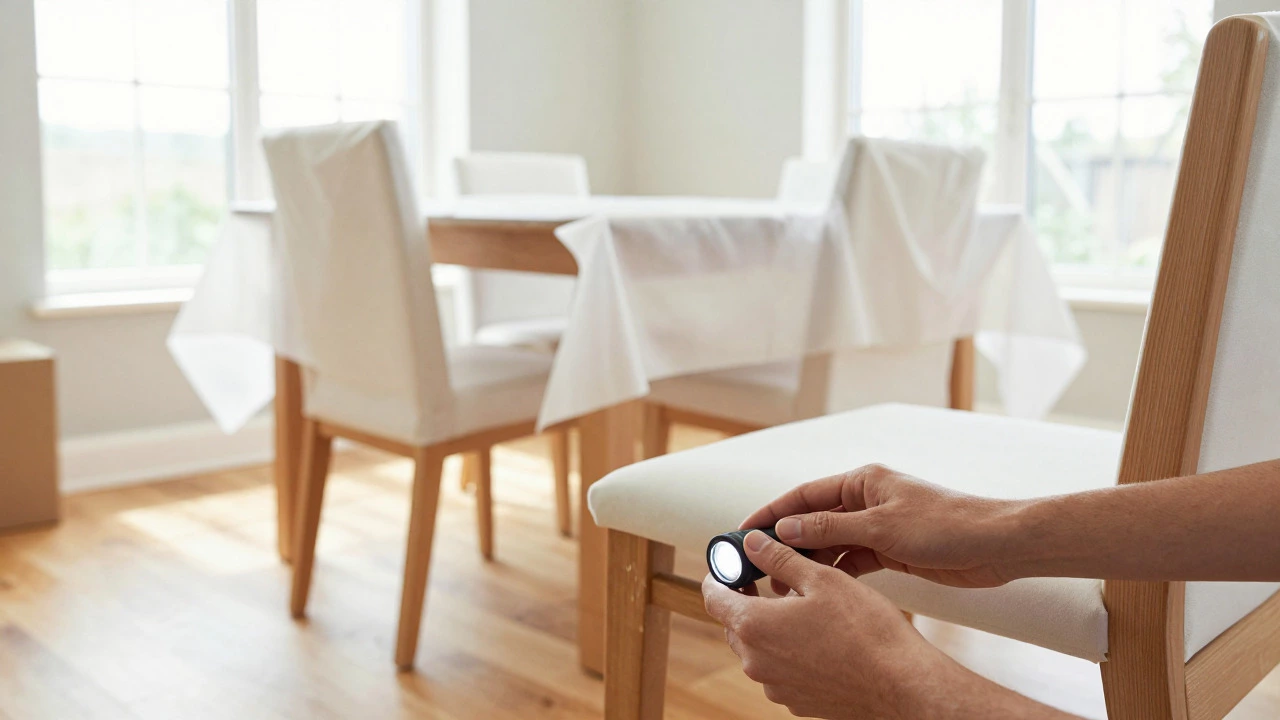
- Using Plastic Directly on Wood: Plastic can trap moisture against wood, leading to warping or mold. Always use a breathable fabric like cotton between the plastic and the wood.
- Over-Wrapping: Too many layers make the item bulky and hard to stack. It also increases the chance of the wrapping slipping. One or two layers is usually enough.
- Ignoring Edges: The corners and edges take the most impact. Ensure the sheet folds tightly around these areas. If you’re using tape, reinforce the corners specifically.
- Assuming Insurance Covers All Scratches: Moving insurance often has deductibles. Minor scratches might not be worth the hassle of claiming. Prevention is always cheaper than repair.
What Happens After the Move?
Once the furniture is in its new home, the sheets come off. But their job isn’t done yet. Many people leave the sheets on for a few days after the move. This is actually a smart move. As the environment changes, humidity levels fluctuate. The sheet acts as a barrier while the acclimatization period happens. It also gives you time to unpack other items without worrying about dust settling on freshly moved furniture.
When you do remove the sheets, inspect the furniture carefully. Check for any hidden scratches or dents that might have been obscured by the wrapping. Document any issues immediately with photos. This makes it much easier to file a claim if needed.
Frequently Asked Questions
Are white sheets reusable?
Yes, high-quality cotton sheets are highly reusable. Professional moving companies wash and reuse them hundreds of times. At home, you can wash your old sheets and use them for future moves or storage projects.
Should I put sheets on my furniture if I’m only moving within the city?
Yes. Distance doesn’t matter as much as handling. Even a short trip involves loading, unloading, and navigating doorways. These are high-risk moments for damage. Wrapping protects against these specific hazards.
Do I need to buy special moving blankets?
Not necessarily. Old bed sheets, comforters, and even thick towels work well for general protection. Specialized moving blankets are better for glass and very delicate items, but for most household furniture, standard cotton sheets are perfectly adequate.
Will the sheets protect my furniture from rain?
No. Cotton sheets are not waterproof. If you expect rain, you need a tarp or plastic sheeting over the cotton. The cotton protects from abrasion; the plastic protects from water. Use both for outdoor exposure.
How many sheets do I need for a standard 3-bedroom house?
A rough estimate is one sheet per major piece of upholstered furniture and one per large wooden item. For a typical 3-bedroom house, plan for 10-15 sheets. It’s better to have extras than to run out halfway through the packing process.