 19
Oct,2026
Furniture Price Negotiation Estimator
Estimate how much you could save by applying smart negotiation tactics. Input your target item details below.
Enter details to see your estimated savings.
You walk into a showroom, spot the perfect sofa, and see a price tag that makes your wallet wince. Most people assume that number is set in stone, printed by some corporate algorithm you can’t argue with. But here’s the truth: you can negotiate furniture prices at almost any store, whether it’s a big-box retailer or a local boutique. The sticker price is often just the starting point of a conversation, not the final destination.
Why does this work? Furniture has high margins. Unlike groceries or electronics where profits are razor-thin, a single armchair might have a markup of 50% to 100%. This cushion gives sales associates room to move. If they hit their monthly quota, they’re more than happy to shave off $200 to close the deal today rather than risk you walking out to check online competitors. Knowing how to ask, when to ask, and what to ask for turns you from a passive shopper into an active negotiator.
The Psychology Behind the Price Tag
To negotiate effectively, you need to understand who you’re talking to. Salespeople aren’t robots programmed to reject every discount request. They have targets, quotas, and commission structures. In many stores, if a rep hits their monthly goal early, they become far more flexible later in the month. Conversely, if they’re behind, they might be desperate to close any sale, even at a lower margin, to secure their paycheck.
There’s also the concept of "perceived value." High-end stores rely on the idea that a higher price signals better quality. However, once you’ve established trust-by asking detailed questions about materials or construction-you signal that you know what you’re doing. This shifts the dynamic. You’re no longer an uninformed buyer hoping for a handout; you’re a savvy customer looking for a fair market value. When you treat the negotiation as a collaborative problem-solving session ("How can we make this work for both of us?") rather than an adversarial battle, doors open.
When Is the Best Time to Ask?
Timing is everything. Walking in on a busy Saturday afternoon while three other customers wait for help isn’t ideal. The associate is stressed, rushed, and less likely to engage in a lengthy discussion. Instead, aim for weekday mornings or late afternoons when foot traffic is low. This gives the staff time to sit down, pull up inventory systems, and genuinely try to find you a deal.
End-of-month and end-of-quarter periods are goldmines. Retailers track performance in these cycles. If a manager sees they are short on revenue by $5,000 on the last day of the quarter, they will authorize discounts they wouldn’t consider on the first day. Similarly, seasonal transitions offer massive opportunities. When spring arrives, winter clearance items must go. When new models launch, older versions lose value quickly. Buying a floor model right before a new shipment arrives can yield discounts of 15% to 30%, simply because the store needs space.
What Can You Actually Negotiate?
It’s not always about dropping the bottom-line dollar amount. Sometimes, the store policy prohibits changing the listed price, but they have flexibility elsewhere. Think creatively. If they say no to $100 off, ask for free delivery. Delivery fees can range from $50 to $200 depending on distance and complexity. Asking them to waive this fee is often easier for them than cutting the product price.
Other negotiable perks include:
- Assembly services: Getting them to assemble a bed frame or dresser for free saves you hours of frustration.
- Extended warranties: Push for a complimentary extension on protection plans.
- Accessories: Ask for matching pillows, throws, or side tables thrown in at no cost.
- Payment terms: Request zero-interest financing for a longer period than standard offers.
If the item is slightly damaged-a scratch on the back leg, a small stain on the underside-point it out politely. Stores often classify these as "B-stock" or floor models internally. You can leverage this visible flaw to demand a significant markdown, sometimes up to 40%, since they can’t sell it as new anymore.
Big-Box vs. Boutique: Different Rules Apply
Not all stores operate the same way. Understanding the business model helps you tailor your approach.
| Store Type | Negotiability Level | Best Strategy |
|---|---|---|
| Independent Boutiques | High | Build rapport; ask for package deals on multiple items. |
| Furniture Chains (e.g., Raymour & Flanigan) | Medium | Use competitor pricing; ask for manager approval. |
| Warehouse Clubs (e.g., Costco) | Low | Focus on return policies and warranty extensions. |
| Online-Only Brands | Low | Look for promo codes; ask about open-box returns. |
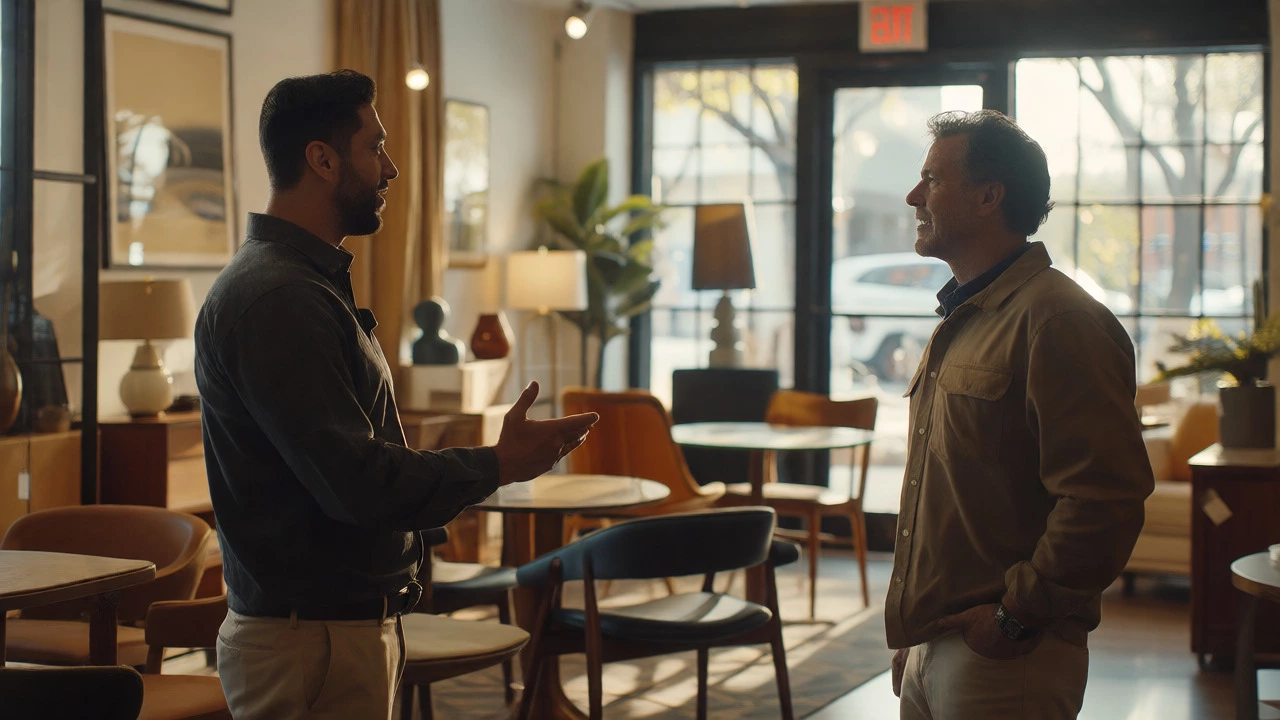
Independent boutiques thrive on relationships. The owner might be sitting at the front desk. Be nice, show genuine interest in their craft, and ask, "Is there anything you can do on the price?" They often have discretion to match a competitor’s quote or bundle items. Big-box chains have stricter algorithms, but managers still hold override keys. If the salesperson says no, politely ask if a supervisor could review the file. Often, the answer changes when a manager is involved.
Practical Scripts That Work
You don’t need to be aggressive. Politeness wins more deals than aggression. Here are a few phrases to keep in your back pocket:
"I really love this piece, but my budget is capped at $X. If you can get me there, I’m ready to buy today." This creates urgency and clarity. It tells the seller exactly what it takes to close the deal.
"I saw a similar model at [Competitor Name] for $Y less. Can you beat that price or match it?" Always bring evidence-a screenshot on your phone works wonders. It removes the guesswork and forces them to justify their premium.
"If I buy this sofa and the coffee table together, can you give me a package discount?" Bundling increases the total ticket size, making it easier for them to absorb a percentage discount.

Pitfalls to Avoid
Don’t bluff blindly. Saying "I’ll leave" only works if you’re actually willing to walk away. If you stay, you lose credibility. Also, avoid negotiating during major holiday sales like Black Friday or Memorial Day weekends. During these times, prices are already heavily discounted, and margins are thin. Associates have little room to maneuver, and trying to squeeze more out of them can feel tone-deaf.
Another mistake is focusing solely on the lowest price. Check the fine print. Does the discount void the return policy? Are shipping costs excluded? A $50 discount isn’t worth it if you pay $100 extra for white-glove delivery. Calculate the total cost of ownership before agreeing.
Final Thoughts on Closing the Deal
Negotiating furniture prices isn’t about being cheap; it’s about being informed. It respects your money and acknowledges the reality of retail economics. Start small. Try asking for free delivery on your next purchase. Once you see how easy it is, you’ll gain confidence to tackle bigger discounts. Remember, the worst they can say is no, and usually, they’ll try hard to say yes. Walk in prepared, stay polite, and watch your savings add up.
Do online furniture stores allow negotiation?
Generally, no. Online prices are automated and rarely adjustable. However, you can call their customer service line. If you mention a competitor's lower price or ask about current promotions, representatives sometimes have the power to apply a one-time coupon code or offer free shipping to win your business.
Is it rude to haggle at high-end furniture stores?
No, it’s not rude if done respectfully. High-end stores expect serious buyers to discuss value. Frame it as seeking assistance within your budget rather than demanding a discount. Phrases like "Is there any flexibility on the price?" are professional and well-received.
What if the store says their prices are fixed?
Even if the price is fixed, ask for added value. Request free assembly, extended warranties, or accessories. These extras cost the store little but provide real value to you. Sometimes, asking to speak to a manager reveals that the "fixed" policy has exceptions for cash payments or bundled purchases.
How much discount should I aim for?
Aim for 10% to 15% off the sticker price on regular items. For floor models, clearance items, or end-of-season stock, targeting 20% to 30% is realistic. Don’t push for unrealistic discounts like 50% unless the item is visibly damaged or discontinued.
Does paying cash help with negotiations?
Yes, sometimes. Cash transactions save the store credit card processing fees (usually 2-3%). Some independent retailers may offer a small additional discount (around 2-5%) for immediate cash payment to improve their cash flow, especially toward the end of the month.