 6
Sep,2026
6
Sep,2026
Furniture Mould Risk Calculator
Enter your storage conditions below to determine if your furniture is at risk of mould growth.
Enter details on the left and click Calculate to see your mould risk assessment.
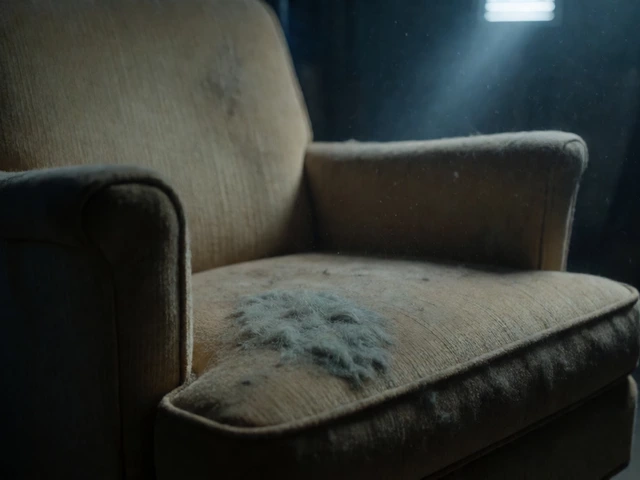
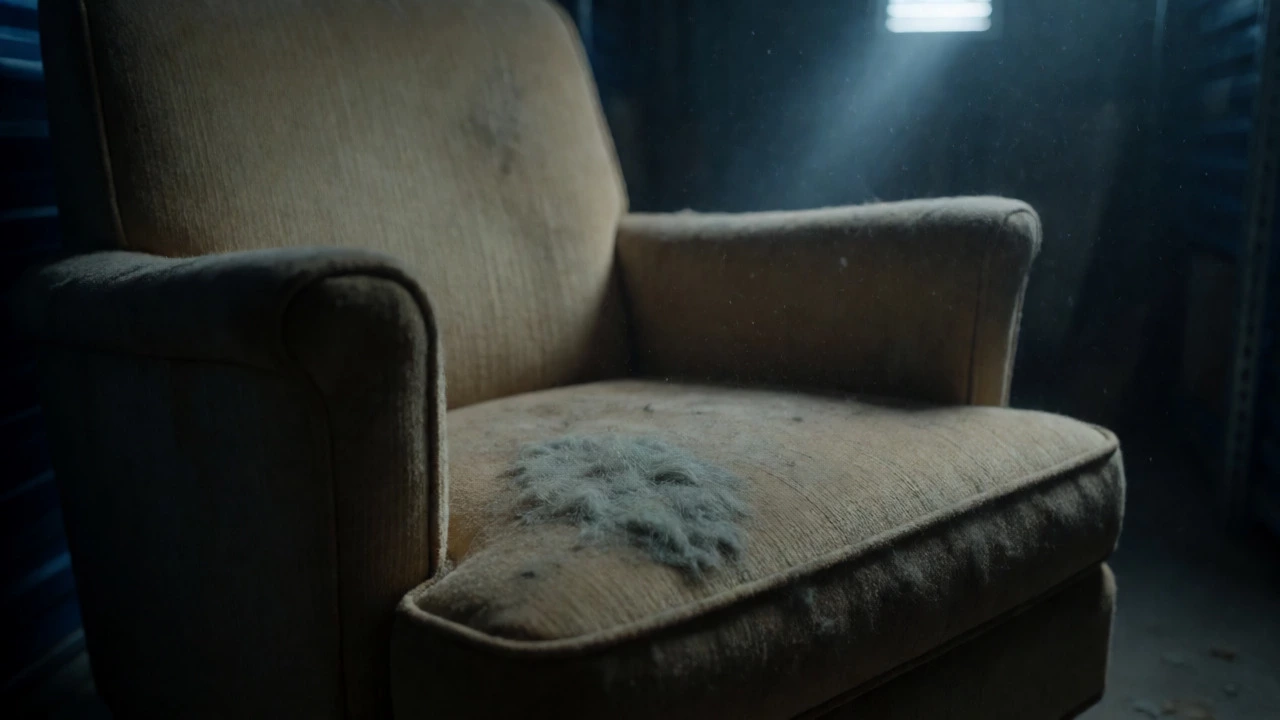
You’ve just unpacked your favorite armchair from a self-storage unit, and there it is: a fuzzy, grey-green patch on the upholstery. It smells musty, looks grim, and instantly ruins the excitement of moving back into your home. The short answer to does furniture go mouldy in storage? is yes-but only if you let it. Mould isn’t inevitable; it’s a symptom of poor environmental control. If you understand what mould needs to thrive, you can stop it before it starts.
Mould is a type of fungus that reproduces via microscopic spores floating in the air. These spores land on surfaces and wait for the right conditions to germinate. For most common household moulds, those conditions are simple: moisture, warmth, darkness, and an organic food source. Your wooden table, cotton sofa, or leather chair provides the food. The storage unit often provides the rest. If you’re storing items in Melbourne or anywhere else with variable climates, ignoring humidity is the biggest mistake you can make.
Why Mould Loves Storage Units
Think of a typical storage unit as a closed ecosystem. Unlike your living room, which has ventilation, heating, and daily human activity, a storage unit is static. In many Australian climates, temperatures fluctuate wildly between day and night. When warm, humid air enters a cooler unit, it condenses on cold surfaces like metal shelving or dense wood. This phenomenon, known as the dew point, creates tiny water droplets that soak into porous materials.
Wooden furniture is particularly vulnerable because it absorbs moisture. Solid timber acts like a sponge. If the relative humidity (RH) inside the unit stays above 60% for several days, mould spores have enough water to start growing. Upholstered furniture is even riskier. Fabric traps dust and skin cells, providing a nutrient-rich buffet for fungi. Leather, while less absorbent, can still develop surface mould if not conditioned, especially in high-humidity environments.
The Science of Humidity and Temperature
To prevent mould, you need to manage two key variables: relative humidity and temperature. The general rule of thumb used by archivists and conservators is to keep RH below 50-55%. Above this threshold, mould growth accelerates significantly. Below 40%, however, wood can dry out too much and crack, so balance is critical.
Relative Humidity is the ratio of the current amount of water vapor in the air compared to the maximum amount it can hold at that specific temperature. Warm air holds more moisture than cold air. This means a unit at 25°C with 60% RH contains much more actual water than a unit at 15°C with 60% RH. When the temperature drops overnight, that excess water condenses onto your furniture.
Here is how different materials react to humidity levels:
| Material | Low Risk Zone (RH) | High Risk Zone (RH) | Vulnerability Factor |
|---|---|---|---|
| Solid Wood | 40-50% | >60% | Absorbs moisture, swells, warps |
| Upholstered Fabric | 30-50% | >55% | Traps dust and organic matter |
| Leather | 40-50% | >65% | Surface mould feeds on oils/dirt |
| Particle Board/MDF | 40-50% | >55% | Glue breaks down, edges swell |
Preparation Is Everything
You cannot fix a mould problem after the fact if you didn’t prepare properly. Cleaning furniture before storage isn’t just about aesthetics; it’s about removing the food source for mould. Dust, dead skin cells, and spilled liquids are organic matter. If you leave them on a sofa, mould will eat them first.
- Clean thoroughly: Vacuum upholstery with a HEPA filter vacuum. Wipe down hard surfaces with a mild detergent solution. Let everything dry completely-any trapped moisture becomes a reservoir for mould.
- Treat fabrics: Consider using a fabric protector spray that repels moisture. For leather, apply a conditioner that seals the pores without trapping dampness.
- Inspect for existing damage: Check for cracks in wood or tears in fabric. Repair these before storage. Cracks allow moisture to penetrate deep into the structure where cleaning agents can’t reach.
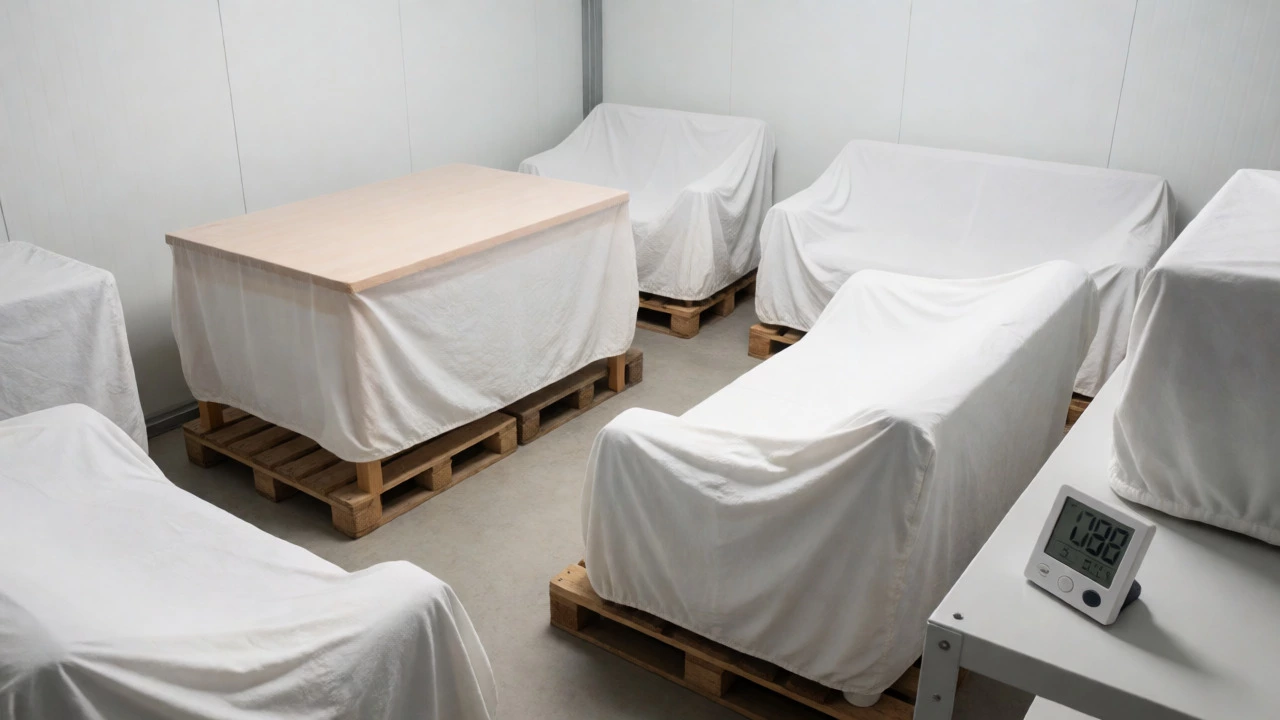
Wrapping matters too. Plastic wrap is a trap. If you wrap a slightly damp chair in plastic, you create a greenhouse effect. Moisture evaporates from the wood, hits the plastic, condenses, and drips back onto the furniture. Instead, use breathable covers made of cotton or canvas. These allow air circulation while keeping dust off. If you must use plastic, ensure the item is bone dry and poke small holes for ventilation.
Choosing the Right Storage Environment
Not all storage units are created equal. In Australia, climate-controlled storage is worth the extra cost if you’re storing valuable or sensitive items. Standard drive-up units are prone to extreme temperature swings and humidity spikes. Climate-controlled units maintain a stable environment, typically between 18-22°C and 45-55% RH.
If you’re storing items in a garage or basement at home, be cautious. Basements are notorious for high humidity and poor airflow. Garages can get incredibly hot in summer, baking any moisture into the walls and floor. Before placing furniture, place a hygrometer (a humidity gauge) in the space for a week. If readings consistently exceed 60%, you need dehumidification.
For self-storage, ask facility managers about their ventilation systems. Some units have active HVAC systems; others rely on passive vents. Passive vents work well in moderate climates but fail during heatwaves or rainy seasons. If you can’t afford climate control, buy a portable desiccant pack or a reusable silica gel container. Place these near your furniture to absorb excess ambient moisture.
What To Do If You Find Mould
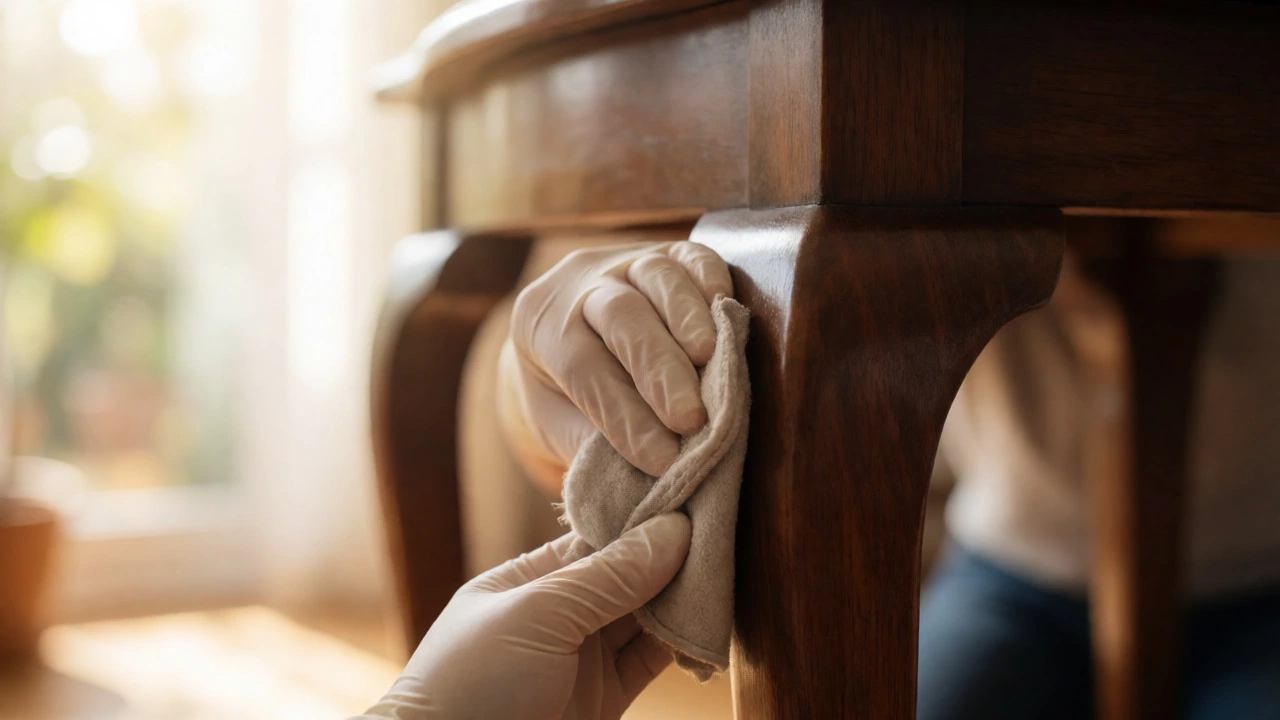
So, you opened the door and saw mould. Don’t panic, but don’t ignore it. Mould spreads. A small spot today can become a large infestation next month. First, wear a mask and gloves. You don’t want to inhale spores.
For non-porous surfaces like finished wood or metal, wipe the area with a mixture of water and white vinegar (1:1 ratio). Vinegar kills most mould species. Avoid bleach on wood; it raises the grain and doesn’t kill roots effectively. For upholstered furniture, vacuum the area gently to remove loose spores, then use a dry-cleaning solvent suitable for the fabric type. Never soak fabric unless you can dry it immediately and thoroughly.
If the mould has penetrated deep into particle board or MDF, the structural integrity might be compromised. In these cases, professional restoration or replacement might be cheaper than trying to save the piece. Once cleaned, move the item to a dry, sunny area (if possible) to air out. Sunlight is a natural disinfectant and helps dry out residual moisture.
Long-Term Maintenance Tips
Storing furniture isn’t a "set and forget" task. If you’re storing items for more than six months, visit them periodically. Check the hygrometer. Look for signs of pests or leaks. Rotate heavy items if they’re resting on soft carpets, as trapped moisture under the weight can cause mould growth on the underside.
Elevate furniture off the floor. Concrete floors can wick moisture up into wooden legs. Use pallets or blocks to create an air gap. This simple step prevents capillary action from drawing water into the wood. Also, avoid stacking items tightly against exterior walls. Leave a few centimeters of space for air circulation. Stagnant air pockets are breeding grounds for mould.
Can I store furniture outside?
Generally, no. Outdoor storage exposes furniture to rain, direct sunlight, and extreme temperature changes. UV rays fade finishes and crack wood, while rain introduces constant moisture. If you must store items outside, use a waterproof, breathable tarp and elevate the furniture on pallets. However, indoor storage is always safer for longevity.
Does vinegar really kill mould?
Yes, white vinegar is effective against most common household moulds. It penetrates porous surfaces better than bleach and kills the root system. Spray undiluted or lightly diluted vinegar on the affected area, let it sit for an hour, then wipe clean. It’s safe for most woods and plastics but test on a hidden area first.
How long does it take for furniture to get mouldy?
It depends on humidity. In ideal conditions (below 50% RH), it may never happen. In high humidity (above 70%), visible mould can appear within 48 to 72 hours. Spores begin colonizing almost immediately, but visible patches usually take a few days to weeks depending on the material and temperature.
Is it safe to sleep in a room with stored furniture that had mould?
If the furniture was properly cleaned and dried before being brought into the living space, yes. However, if mould remains active, spores can circulate and trigger allergies or respiratory issues. Always inspect and treat stored items thoroughly before reintroducing them to your home environment.
Do silica gel packs work for large furniture?
Small packets are great for drawers or boxes, but they won’t control humidity for a whole sofa or wardrobe. For larger items, you need industrial-strength desiccants or a dedicated dehumidifier unit. Silica gel works best in enclosed, smaller spaces where it can saturate quickly and be replaced or regenerated.