 12
Nov,2026
Sofa Firmness Finder
Not sure whether to go for cloud-like comfort or rigid support? Answer these quick questions to find the ideal sofa construction for your living room.
Result Title
Description goes here.
Key Feature to Look For:
You walk into a showroom, spot a gorgeous linen sectional, and think, "That looks perfect." You sit down. It sinks in like a cloud. Five minutes later, you feel stuck. Or maybe it's the opposite: you sit on a sleek mid-century frame, your back straightens instantly, but an hour later you're shifting uncomfortably because there’s no give. This is the classic dilemma of sofa firmness. There is no universal "best" option. The right choice depends entirely on how you use your living room, your body mechanics, and what kind of rest you’re actually looking for.
Choosing between a firm or soft sofa isn't just about preference; it's an ergonomic decision. A wrong choice can lead to back pain, difficulty standing up, or a seat that sags within two years. Let’s break down exactly how to decide, based on real-world usage rather than marketing fluff.
The Real Difference Between Firm and Soft
When people say "soft," they usually mean low density foam or feather-filled cushions. When they say "firm," they mean high-density foam or tight springs. But here’s the thing: firm doesn’t necessarily mean hard. And soft doesn’t always mean comfortable.
A firm sofa typically uses high-resilience (HR) foam with a density of 1.8 lbs per cubic foot or higher, often combined with sinuous springs. It provides support by resisting compression. Your weight sits on top of the cushion rather than sinking into it. This keeps your spine aligned but requires more effort to change positions.
Conversely, a soft sofa uses lower-density foams, polyester fiber wraps, or actual feathers. These materials compress easily under weight. You sink into the seat. This creates a cozy, enveloping feeling but offers less structural support for your lower back.
The critical metric here is ILD (Indentation Load Deflection). It measures how much force is needed to compress a foam sample by 25%. A low ILD (below 20) feels plush. A high ILD (above 35) feels rigid. Most quality sofas aim for a middle ground, but manufacturers skew one way or the other.
Who Needs a Firm Sofa?
If you fall into any of these categories, lean toward firmer seating:
- People with chronic back pain: If you have disc issues or sciatica, sinking too deep can misalign your spine. A firm seat acts as a neutral platform, keeping your hips level with your knees.
- Older adults: As we age, hip mobility decreases. Getting out of a deep, soft sofa requires significant leg strength and balance. A firm seat allows you to push off easily without struggling.
- Those who work from home: If you’re sitting upright with a laptop on your lap or a tray table, you need stability. A wobbling, sinking surface makes typing awkward and posture poor.
- Larger individuals: Heavy users compress soft foam quickly. Within months, a cheap soft sofa will bottom out, meaning you feel the wooden frame underneath. High-density firm foam holds its shape longer under greater weight.
Firm sofas also tend to last longer. Because the foam cells are tighter, they resist permanent deformation. If you plan to keep this piece for ten years, firm construction is usually the smarter financial bet.
Who Should Choose a Soft Sofa?
Soft sofas aren’t bad; they’re just specialized. They excel in specific scenarios:
- Movie watchers and gamers: If your primary activity is lounging horizontally, slouching, or curling up, you want immersion. A soft sofa contours to your body, reducing pressure points on your shoulders and neck when you’re not sitting upright.
- Nap lovers: Try sleeping on a board-hard bench. Now try sleeping on a memory foam mattress. The soft sofa mimics the latter. For short naps, the lack of resistance helps you relax faster.
- Lightweight users: If you weigh under 130 lbs, a very firm sofa might feel like sitting on a rock because your body doesn’t generate enough force to compress the foam. You need softer materials to achieve that "supported" feeling.
- Casual social spaces: In a formal living room where guests sit briefly, comfort matters less than aesthetics. However, if you host friends for hours, soft seating encourages relaxation and conversation flow better than rigid chairs.
The Hybrid Solution: Why Layers Matter
Here’s a secret most salespeople won’t tell you: the best sofas are rarely purely firm or purely soft. They are layered.
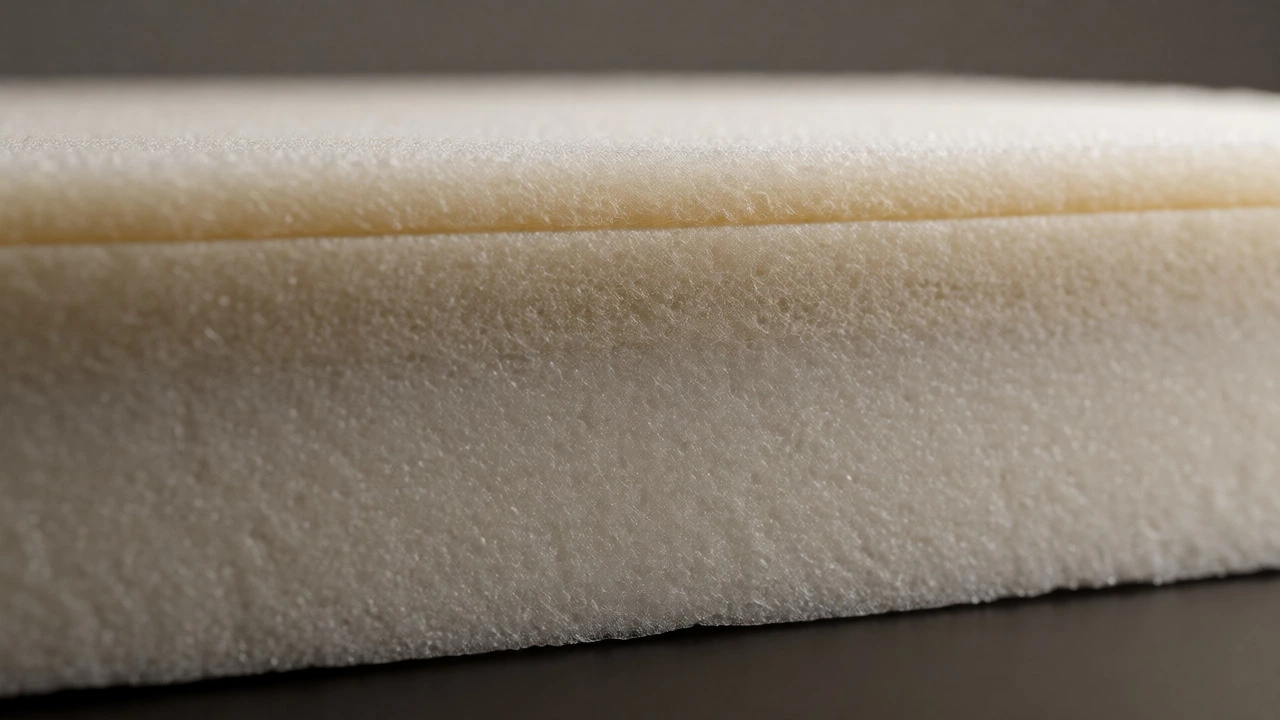
Look for a "multi-layer" construction. This usually involves a core of high-density firm foam for structure, topped with a layer of medium-density foam for transition, and finished with a thin layer of fiber or memory foam for surface comfort. This gives you the best of both worlds: support when you sit up, and plushness when you lean back.
| Feature | Firm Sofa | Soft Sofa | Hybrid/Medium |
|---|---|---|---|
| Best For | Upright sitting, working, older adults | Lounging, napping, lightweight users | General family use, mixed activities |
| Back Support | Excellent spinal alignment | Poor; risk of slouching | Good; adapts to posture changes |
| Ease of Movement | Easy to stand up from | Difficult to exit quickly | Moderate effort required |
| Durability | High; resists sagging | Lower; prone to bottoming out | Variable; depends on core quality |
| Maintenance | Low; holds shape | High; needs frequent fluffing | Moderate |
How to Test Comfort in the Showroom
Don’t just sit for ten seconds. That’s not how you live. Follow this three-minute test:
- Sit normally: Place your feet flat on the floor. Do your knees align with your hips? If you’re sliding forward, the seat is too soft or too deep. If your thighs feel pinched against the front edge, the seat is too firm or shallow.
- Lean back: Push your head into the backrest. Does it support your neck? With soft sofas, your head might sink too far, straining your neck muscles. Firm backs offer consistent support.
- Stand up: Try to get up using only your legs, without pushing off the arms. If you struggle, the sofa is too soft for your current mobility levels. This is crucial if you have any knee or hip issues.
Also, check the depth. Standard seat depth is 21-24 inches. If you’re tall, you might need 26+ inches. If you’re petite, anything over 22 inches will leave your feet dangling unless you use a footstool, which changes your effective posture significantly.

Budget Implications
Generally, high-quality firm sofas cost more upfront. High-density HR foam is expensive to produce. Cheap "firm" sofas often use low-grade foam wrapped in thick batting, which feels firm initially but collapses within six months. Always ask for the foam density rating. Anything below 1.5 lbs/cu ft is budget-tier and will likely sag.
Soft sofas can be cheaper if they use basic polyfill, but premium soft sofas with genuine down feathers are incredibly expensive and require constant maintenance. Down feathers shift, clump, and lose loft. You’ll spend money on refilling them annually. Synthetic alternatives are cheaper but don’t breathe as well, leading to heat buildup during Melbourne summers.
Local Context: Climate Matters
Living in Australia means dealing with heat. Soft, deep sofas trap body heat. Feather and heavy fabric blends can feel stifling in January. Firm sofas with breathable fabrics like linen or cotton canvas allow better air circulation. If you’re buying for a sun-drenched lounge room, prioritize breathability over extreme plushness. A firm leather or performance fabric sofa stays cooler than a deep microfiber couch.
Final Verdict
There is no winner. There is only fit. If you value longevity, ease of movement, and spinal health, buy firm. If you value immediate coziness, napping, and casual lounging, buy soft. If you can’t decide, buy hybrid. But never buy either without testing the specific model. Foam densities vary wildly between brands, even if they look identical online.
Does a firm sofa cause back pain?
No, a properly constructed firm sofa usually prevents back pain by maintaining spinal alignment. However, a poorly made firm sofa with uneven padding can create pressure points. Look for high-density foam cores rather than simple wooden slats with thin cushions.
How long do soft sofas last compared to firm ones?
High-quality firm sofas typically last 7-10 years before noticeable sagging. Soft sofas, especially those with feather or low-density foam, may start to bottom out in 3-5 years depending on usage frequency and user weight.
Can I make a soft sofa firmer?
Yes. You can add a plywood board under loose cushions or replace the inner foam inserts with higher-density foam blocks. Many upholstery shops offer custom foam replacement services for existing frames.
Is a hard sofa bad for circulation?
A truly hard surface can restrict blood flow behind the knees, causing numbness. A good firm sofa has enough give (2-3 inches of compression) to prevent this while still offering support. Avoid sofas with absolutely zero compression.
What is the ideal foam density for a sofa?
For seat cushions, aim for 1.8 lbs per cubic foot or higher. For back cushions, 1.5 lbs is acceptable since they bear less weight. Below 1.5 lbs, expect rapid degradation and sagging.