 18
Jun,2026
18
Jun,2026
Wicker Furniture Bed Bug Risk & Treatment Planner
Step 1: Analyze Your Furniture
Step 2: Check for Signs
Click any signs you have found:
Risk Assessment
Based on material porosity, environment, and visible signs.
Recommended Action Plan
Imagine sinking into your favorite rattan chair on the patio after a long week. It’s sunny, you’re relaxed, and then you notice a small red bump on your arm. Panic sets in. Could those pesky bed bugs be hiding in your outdoor wicker furniture? It is a valid fear, especially since these pests are notoriously good at finding cracks to hide in. The short answer is yes, they can survive there, but it is not their ideal home. Understanding exactly how they interact with wicker helps you decide whether to scrub, steam, or toss that piece of furniture.
The Anatomy of Wicker vs. Bed Bug Behavior
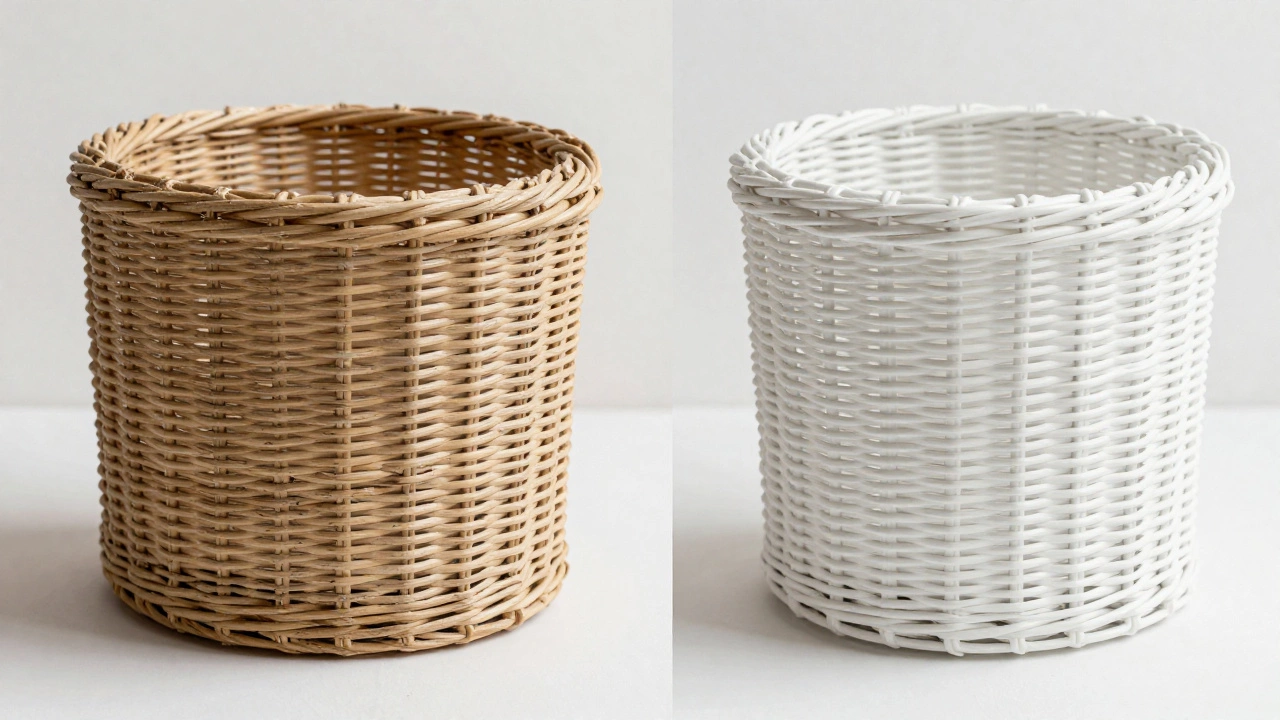
To understand the risk, we first need to look at what wicker actually is. Wicker is a weaving technique using natural materials like rattan, reed, willow, or bamboo, or synthetic alternatives like resin. Traditional natural wicker has tiny gaps between the woven strands. These gaps are perfect for dust, leaves, and unfortunately, insects. Synthetic wicker, often made from polyethylene (PE) resin, is much smoother and tighter, leaving fewer places for pests to grip.
Bed bugs are small, reddish-brown, parasitic insects that feed on human blood and hide in tight crevices during the day. They do not fly or jump; they crawl. They love seams in mattresses, cracks in baseboards, and clutter. For a bed bug, wicker furniture presents a mixed bag. Natural wicker offers plenty of nooks, but it lacks the consistent warmth and proximity to a host (you) that indoor furniture provides. Outdoor wicker is exposed to temperature fluctuations, wind, and rain, which are harsh conditions for these delicate creatures.
However, if your wicker furniture is stored in a garage, shed, or covered porch, it becomes an attractive harbor. The shelter protects them from the elements, and if you bring them inside occasionally, they have access to food. So, while wicker isn’t their *favorite* spot, it is certainly a viable one if the environment is right.
How Bed Bugs Get Into Your Wicker Furniture
Bed bugs don’t just appear out of thin air. They hitchhike. If you have bought second-hand wicker furniture, checked into an infested hotel, or had visitors carrying them in their luggage, the transfer can happen quickly. Here is how they typically end up in your garden set:
- Second-hand purchases: Thrift stores and yard sales are hotspots. A used rattan sofa might look clean, but nymphs (baby bed bugs) are nearly invisible to the naked eye.
- Indoor-to-outdoor migration: If your home has an active infestation, bed bugs may spread to nearby furniture, including pieces kept in sunrooms or covered patios.
- Luggage and bags: Leaving suitcases on or near wicker chairs after travel can introduce pests directly into the weave.
- Shared spaces: Apartment buildings with shared laundry rooms or hallways can see bed bugs moving between units, potentially landing on outdoor furniture stored in common areas.
Once inside the weave, they seek out the darkest, most protected spots. In natural wicker, this means deep within the layers of the weave where light cannot reach. In synthetic wicker, they may cling to the underside of the seat or the joints where the frame connects.
Signs of Infestation in Wicker
Spotting bed bugs in wicker is harder than spotting them in a white cotton sheet. You need to be a detective. Look for these specific signs:
| Sign | What to Look For | Where in Wicker |
|---|---|---|
| Blood Stains | Tiny rust-colored spots | On cushions or woven surface |
| Fecal Matter | Black or dark brown dots (ink-like) | Deep in the weave or underneath |
| Shed Skins | Translucent, pale yellow shells | Crevices and joints |
| Live Bugs | Apple-seed sized, reddish-brown insects | Underside of seats, frame connections |
| Eggs | Tiny, pearly-white ovals (1mm) | Glued into deep weave gaps |
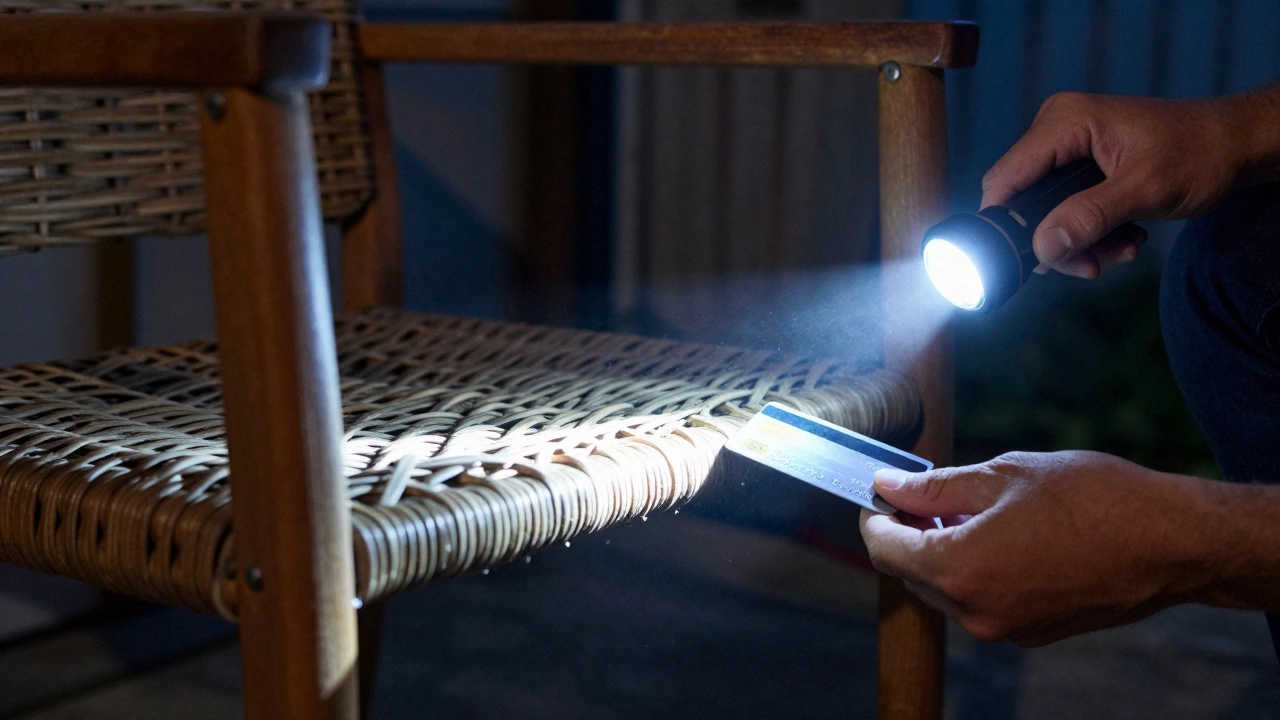
Use a flashlight and a credit card. Slide the edge of the card along the weave to dislodge any debris or bugs. Check the cushions separately, as fabric covers are easier for bed bugs to penetrate than the wicker itself. If you find even one sign, assume there are more.
Can You Clean Them Out? Treatment Options
If you discover bed bugs in your wicker furniture, don’t panic. You have options. The best approach depends on whether your wicker is natural or synthetic, and how severe the infestation is.
1. Steam Cleaning (Most Effective)
Heat kills bed bugs instantly. A commercial-grade steamer that reaches at least 130°F (54°C) is your best friend. Run the steam slowly over every inch of the wicker, focusing on deep weaves and joints. The moisture penetrates the gaps, killing eggs and adults alike. This works well for both natural and synthetic wicker, but ensure natural wicker dries completely to prevent mold.
2. Vacuuming
Use a vacuum with a hose attachment and a brush nozzle. Go over the entire surface, pulling hard to suck out bugs, eggs, and debris. Immediately seal the vacuum bag in a plastic bag and throw it away outside. This removes the population but does not kill hidden eggs, so combine it with other methods.
3. Diatomaceous Earth (DE)
Food-grade diatomaceous earth is a powder that dehydrates insects. Sprinkle it lightly into the deep crevices of the wicker. It is non-toxic to humans and pets but lethal to bed bugs. Leave it for several weeks, then vacuum it up. Note: DE loses effectiveness if it gets wet, so this is only for covered or indoor-stored wicker.
4. Freezing
If the weather permits, leave the furniture outside in freezing temperatures (below 0°F / -18°C) for at least four days. Bed bugs cannot survive prolonged exposure to extreme cold. This is a great option for winter months in colder climates.
5. Professional Pest Control
If the infestation is widespread or you’ve tried DIY methods without success, call a professional. They can apply insecticides safe for outdoor use or use heat treatments that cover larger areas. Always inform them that the infestation involves outdoor furniture so they can choose appropriate chemicals.
Natural Wicker vs. Synthetic Wicker: Which Is Safer?
This is a crucial distinction. Natural Rattan is a vine-based material that is porous and has many small gaps in its weave. It absorbs moisture and dirt, making it harder to clean thoroughly. Bed bugs can burrow deep into the fibers. Synthetic Resin Wicker is a man-made plastic material that is smooth, waterproof, and tightly woven. It is much easier to wipe down and less hospitable to pests because there are fewer places for them to get a foothold.
If you are prone to pest issues or live in an area with high bed bug activity, synthetic wicker is the smarter choice for longevity and hygiene. Natural wicker requires more maintenance and sealing to stay pest-resistant.
Prevention Tips for Garden Furniture
Preventing bed bugs from moving into your wicker furniture is easier than removing them. Follow these steps to keep your outdoor space pest-free:
- Inspect before you buy: Never bring used furniture into your home without inspecting it thoroughly. Check seams, undersides, and frames.
- Keep it clean: Regularly wipe down your wicker furniture with a damp cloth and mild soap. Remove leaves and debris that can trap moisture and attract pests.
- Store properly: During off-seasons, store wicker furniture in a dry, sealed container or cover it with a breathable tarp. Avoid storing it in cluttered sheds where pests thrive.
- Isolate new items: If you buy new or used furniture, keep it separate from your existing set for a few weeks to monitor for any signs of pests.
- Check your home: Prevent bed bugs from entering your house in the first place by using mattress encasements and checking luggage after travels.
When to Throw It Away
Sometimes, saving the furniture isn’t worth the effort. Consider discarding your wicker piece if:
- The infestation is severe and has spread to multiple pieces of furniture.
- The wicker is old, brittle, or damaged, making thorough cleaning impossible.
- You have tried multiple treatment methods (steam, vacuum, DE) with no success.
- The cost of professional treatment exceeds the value of the furniture.
If you must discard it, mark it clearly as "infested" or "do not use" to prevent others from picking it up. Break it down if possible to make it unusable.
Do bed bugs prefer wicker over wood?
Not necessarily. Bed bugs prefer locations close to their host (you). However, wicker’s textured surface offers more hiding spots than smooth wood. If wicker is closer to where you sleep or sit, it may become a preferred harbor compared to distant wooden furniture.
Can sunlight kill bed bugs in wicker furniture?
Sunlight alone is unlikely to kill bed bugs unless the surface temperature exceeds 118°F (48°C) for several hours. While UV rays can damage them over time, direct heat is required for immediate death. On a typical summer day, the shade under wicker furniture remains too cool to be lethal.
Is it safe to use insecticide spray on wicker?
Only if the label specifically states it is safe for outdoor furniture and wicker. Many sprays can stain natural wicker or degrade synthetic resin. Always test a small, hidden area first. Preferably, use heat or steam for a safer, chemical-free solution.
How long can bed bugs survive in empty wicker furniture?
Adult bed bugs can survive several months without feeding, depending on temperature. In cooler environments, they can live up to a year. In warmer conditions, they die faster due to dehydration and hunger. However, they will remain a threat if you bring the furniture back indoors.
Should I replace the cushions on my wicker chair?
If the cushions are heavily infested, replacement is often the easiest route. Fabric cushions are difficult to treat thoroughly. If you want to save them, wash them in hot water (at least 120°F) and dry on high heat for 30 minutes, or seal them in a plastic bag for several months to starve any remaining bugs.