 14
Jun,2026
14
Jun,2026
Office Chair Value Calculator
Select a chair tier below to see how much you actually spend over time.
Budget Tier
$50 - $150
- Low density foam
- Short warranty (1 yr)
- Lasts ~1 Year
Sweet Spot
$300 - $800
- High-grade nylon
- Long warranty (10+ yr)
- Lasts ~8 Years
Premium Tier
$800+
- Premium polymers
- Lifetime support
- Lasts ~15 Years
Total Cost of Ownership
Value Verdict
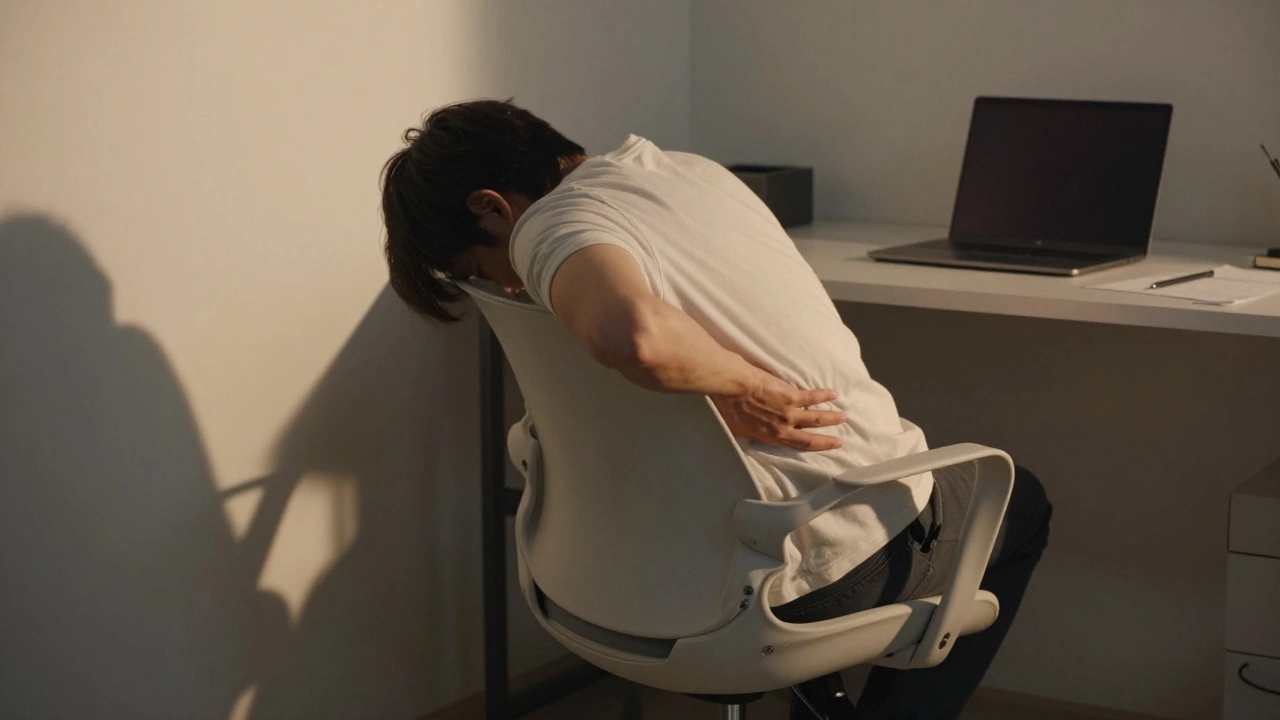
Picture this: it’s 3 PM. Your back is stiff, your neck hurts, and you’re shifting in your seat trying to find a comfortable position that isn’t there. Sound familiar? Most of us spend more time sitting than sleeping-about nine hours a day if we include work and commuting. Yet, when it comes to the chair we sit in for those nine hours, many people toss around $50 or $100 without thinking twice.
The hard truth is that a cheap chair is an expensive mistake. It doesn’t just hurt your wallet eventually; it hurts your body. But does that mean you need to drop $1,500 on a designer brand? Not necessarily. The sweet spot for a "good" office chair-one that supports your spine, lasts for years, and actually feels comfortable-is usually between $300 and $800. Let’s break down why, what you get at each price point, and how to stop wasting money on furniture that fails you.
The Hidden Cost of Cheap Chairs
We’ve all been there. You buy a sleek-looking mesh chair from a big-box store for $79. It looks great in photos. For the first two weeks, it’s fine. Then the lumbar support flattens out. The armrests wobble. The hydraulic gas lift starts sinking slowly every time you stand up. Within six months, you’re replacing it.
Chairs under $150 are built with cost-cutting materials. The plastic components are brittle. The foam density is low, meaning it compresses quickly. The mechanisms that allow you to tilt and recline are often stamped metal rather than forged steel. They might look similar to high-end models, but they lack the engineering to handle the dynamic loads of daily human movement.
Here’s the math: If you buy a $100 chair that lasts one year, and then another one the next year, you’re spending $200 annually. Over five years, that’s $500-and you’ve spent half that time dealing with discomfort and shopping for replacements. A $400 chair that lasts eight years costs you $50 a year. That’s not just better value; it’s better health.
| Price Range | Expected Lifespan | Key Materials | Adjustability | Warranty |
|---|---|---|---|---|
| $50 - $150 | 6 - 18 months | Low-density foam, plastic casters | Height only, basic tilt | 1 year (limited) |
| $150 - $300 | 2 - 4 years | Mixed mesh/foam, aluminum base | Lumbar, armrests, tilt tension | 3 - 5 years |
| $300 - $800 | 7 - 12 years | High-grade nylon, molded mesh, steel frame | Full syncro-tilt, seat depth, headrest | 10 - 12 years |
| $800+ | 15+ years | Premium polymers, advanced suspension systems | Dynamic posture support, multi-axis arms | 12 - 15 years |
What Makes a Chair "Good"?
Before we talk dollars, let’s talk anatomy. A good office chair isn’t about luxury leather or flashy colors. It’s about Ergonomics, which is the science of fitting the workspace to the worker, reducing strain and injury risk. Specifically, you need four things:
- Lumbar Support: Your lower back has a natural inward curve. A flat chair forces it outward, straining discs and muscles. Good chairs have adjustable lumbar support that hits the right spot for your specific torso length.
- Seat Depth: There should be about two to three fingers’ width of space between the edge of the seat and the back of your knees. If the seat is too deep, it cuts off circulation. Too shallow, and your thighs aren’t supported. Adjustable seat slides are rare but gold.
- Armrest Adjustability: Your arms should rest lightly on the armrests with shoulders relaxed. Fixed armrests force you to hunch or shrug. Look for 4D armrests (up/down, forward/back, left/right, pivot).
- Recline Mechanism: Sitting statically is bad for you. A good chair allows you to recline slightly (100-110 degrees) while typing, and further back (120-135 degrees) when reading or thinking. This shifts pressure from your spine to your backrest.
If a chair lacks these features, no amount of marketing can make it "good."
The Budget Tier ($150 - $300): Entry-Level Ergonomics
This is where most people start their search. Brands like Sihoo is a Chinese furniture manufacturer known for affordable ergonomic office chairs with mesh backs and adjustable lumbar support and Branch Furniture is an online retailer offering mid-range ergonomic chairs with modern aesthetics and solid build quality dominate this space.
At this price, you’re getting the basics right. You’ll likely find a mesh back (which breathes well), adjustable lumbar support, and decent armrests. The build quality is acceptable for light to moderate use (6-8 hours a day). However, don’t expect perfect adjustability. The recline might feel stiff, and the materials may show wear after a few years.
Who is this for? Students, remote workers who sit 4-6 hours a day, or anyone on a tight budget who wants to upgrade from a dining chair. It’s a significant step up from the $79 specials, but it’s not a lifetime investment.
The Sweet Spot (0 - 0): Professional Grade
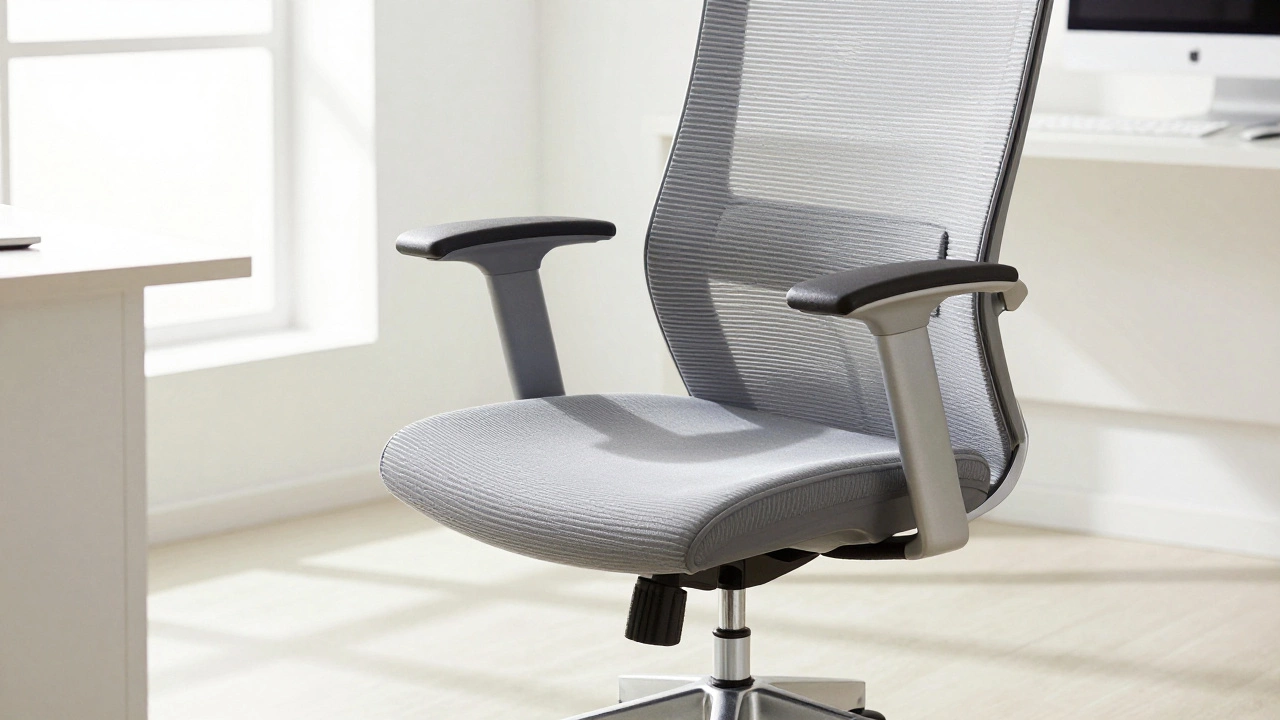
This is the range I recommend for most professionals. Here, you enter the world of brands like Herman Miller Sayl is an entry-level ergonomic chair from Herman Miller featuring a unique suspended back design and 12-year warranty, Steelcase Series 1 is a versatile office chair from Steelcase designed for adaptability with liveBack technology that moves with your spine, and Autonomous ErgoChair Core is a popular mid-range ergonomic chair known for its customizable lumbar support and breathable mesh material.
Why is this the sweet spot? Because the engineering jumps significantly. The mechanisms are smoother. The materials are higher grade (think reinforced nylon instead of brittle plastic). And crucially, the warranties reflect confidence: 5 to 12 years. If your chair breaks in seven years, they replace it. That peace of mind is worth the extra $200 over the budget tier.
In this range, you also start seeing advanced features like synchronized tilt (where the seat and back move together to keep your feet on the floor) and better weight distribution. These aren’t gimmicks; they reduce fatigue during long work sessions.
The Premium Tier ($800 - $1,500+): Lifetime Investment
Now we’re talking about the icons: Herman Miller Aeron is a legendary ergonomic office chair introduced in 1994, famous for its PostureFit SL lumbar support and Pellicle suspension mesh, Steelcase Leap V2 is a highly adjustable office chair with LiveBack technology that mimics the spine's movement and offers extensive customization options, and Haworth Zody is an ergonomic chair designed with asymmetrical lumbar support to accommodate different body shapes and postures.
Do you need one? Probably not. Unless you have specific physical issues, work 10+ hours a day, or simply love premium design, the jump from $600 to $1,200 offers diminishing returns. Yes, the Aeron is beautiful and durable. Yes, the Leap is incredibly adaptive. But a $500 Steelcase Series 1 will support your back just as well for 90% of users.
However, if you have a larger budget, these chairs offer superior resale value. An Aeron in good condition holds its value remarkably well. Plus, the environmental impact is lower because you’re buying one chair for life, not three over a decade.
Hidden Costs and Factors to Consider
Price tags don’t tell the whole story. Here’s what else affects your total cost of ownership:
- Shipping and Assembly: Many cheap chairs arrive in multiple boxes with confusing instructions. Premium brands often include white-glove delivery or easy assembly kits. Factor in $20-$50 for shipping if not free.
- Warranty Coverage: A 12-year warranty sounds great, but read the fine print. Does it cover the gas lift? The mesh? Labor? Some brands only cover parts, leaving you to pay for installation.
- Body Type: If you’re under 5'4" or over 6'4", standard chairs might not fit. You may need specialized models like the Steelcase Think is a compact ergonomic chair designed for smaller frames with adjustable seat height and depth or extended-size versions. This can push you into higher price tiers even for mid-range brands.
- Used Market: In 2026, the secondary market for office chairs is robust. You can often find barely-used Aeron or Leap chairs for 40-50% off retail. Just check for worn mesh, sticky mechanisms, and cracked bases.
How to Choose Without Overspending
Don’t just pick a chair based on reviews. Try before you buy if possible. Visit local offices or furniture stores. Sit in them for at least 10 minutes. Notice how your hips feel. Can you reach the desk comfortably? Does the lumbar support hit your lower back or your ribs?
If you can’t test in person, look for brands with generous return policies. Secretlab is a gaming chair brand that has expanded into ergonomic office seating with hybrid materials and strong community feedback and Branch is an online furniture retailer offering a 30-day trial period for their ergonomic chairs both offer trials. Use them. If it hurts after a week, send it back.
Finally, consider your current setup. A great chair won’t fix a bad desk. Ensure your monitor is at eye level and your keyboard is within easy reach. Pairing a $500 chair with a $20 standing desk converter creates a balanced workspace that promotes movement and reduces static load.
Is it worth spending $1,000 on an office chair?
For most people, no. Chairs in the $300-$800 range offer excellent ergonomics and durability. Spending $1,000+ is justified if you have specific physical needs, work extremely long hours, or prioritize premium materials and resale value. The marginal comfort gain over a $600 chair is small for average users.
What is the best budget office chair under $200?
Look for models from Sihoo, Branch, or Autonomous. Prioritize chairs with adjustable lumbar support and breathable mesh backs. Avoid fixed-armrest chairs. While not as durable as premium brands, these offer a solid upgrade from basic task chairs for short-to-medium term use.
How long should a good office chair last?
A mid-range chair ($300-$800) should last 7-12 years with daily use. Premium chairs ($800+) can last 15+ years. Cheap chairs ($100) often fail within 1-2 years due to worn mechanisms and compressed foam. Check the warranty length as a proxy for expected lifespan.
Are mesh chairs better than leather?
For most office environments, yes. Mesh provides better airflow, keeping you cooler during long sessions. Leather can become hot and sticky. However, high-quality leather offers more cushioning and a traditional aesthetic. Choose mesh for comfort and temperature regulation, leather for style and plushness.
Can I buy a used Herman Miller or Steelcase chair?
Yes, and it’s a smart way to save money. These brands are built to last, so a 5-year-old model often performs like new. Inspect the mesh for tears, test the recline mechanism, and check the base for cracks. Websites like Craigslist, Facebook Marketplace, and specialized resellers offer great deals.