 9
Nov,2026
Office Chair Lifespan & Replacement Estimator
Not sure if your chair is dying? Use this tool to estimate its remaining life and get a recommendation based on the article's guidelines.
Chair Profile
Enter Details
Fill out the form to see if you should repair or replace your chair.
You’ve been sitting in the same office chair for five years. It’s still technically holding you up, but your lower back screams every time you stand up. Is it time to replace it, or are you just being dramatic?
Here is the blunt truth: there is no single expiration date stamped on the bottom of your chair. However, most decent ergonomic chairs last between three and seven years depending on usage intensity and build quality. If you are using a budget mesh chair from a big-box store eight hours a day, expect closer to two or three years. If you invested in a high-end model like a Herman Miller Aeron, you might get ten years out of it before the gas lift fails or the fabric wears through.
The Real Lifespan of Different Chair Types
Not all chairs age the same way. The materials used dictate how quickly they degrade. Understanding what you bought helps you predict when you’ll need to buy again.
Mesh chairs are popular for breathability, especially in warmer climates like Melbourne summers. But the tension in the mesh loosens over time. You might notice your body sinking into the seat more than it used to, which throws off your posture. Typically, mid-range mesh chairs lose their structural integrity around the four-year mark if used daily.
Leather and faux leather chairs have a different failure mode. They don’t sag as much as mesh, but the material cracks and peels. Synthetic leather (PU) often starts flaking off within two to three years of heavy use. Genuine leather lasts longer but requires conditioning. If you see black flakes falling onto your trousers, that’s not dirt-it’s your chair dying.
Fabric upholstered chairs are durable regarding structure but prone to staining and flattening. The foam padding compresses permanently after about three to five years. Once the foam loses its resilience, your sit bones hit the plywood base, causing discomfort regardless of how good the lumbar support looks.
Signs Your Chair Has Reached Its End
Don’t wait until the wheels fall off-literally. Look for these specific warning signs. If you tick more than two boxes, it’s time to shop.
- The Gas Lift Fails: This is the most common mechanical failure. If your chair sinks slowly while you’re working, or shoots up unexpectedly when you stand, the cylinder is broken. While you can replace the cylinder, if the rest of the chair is worn, it’s often cheaper to buy a new one.
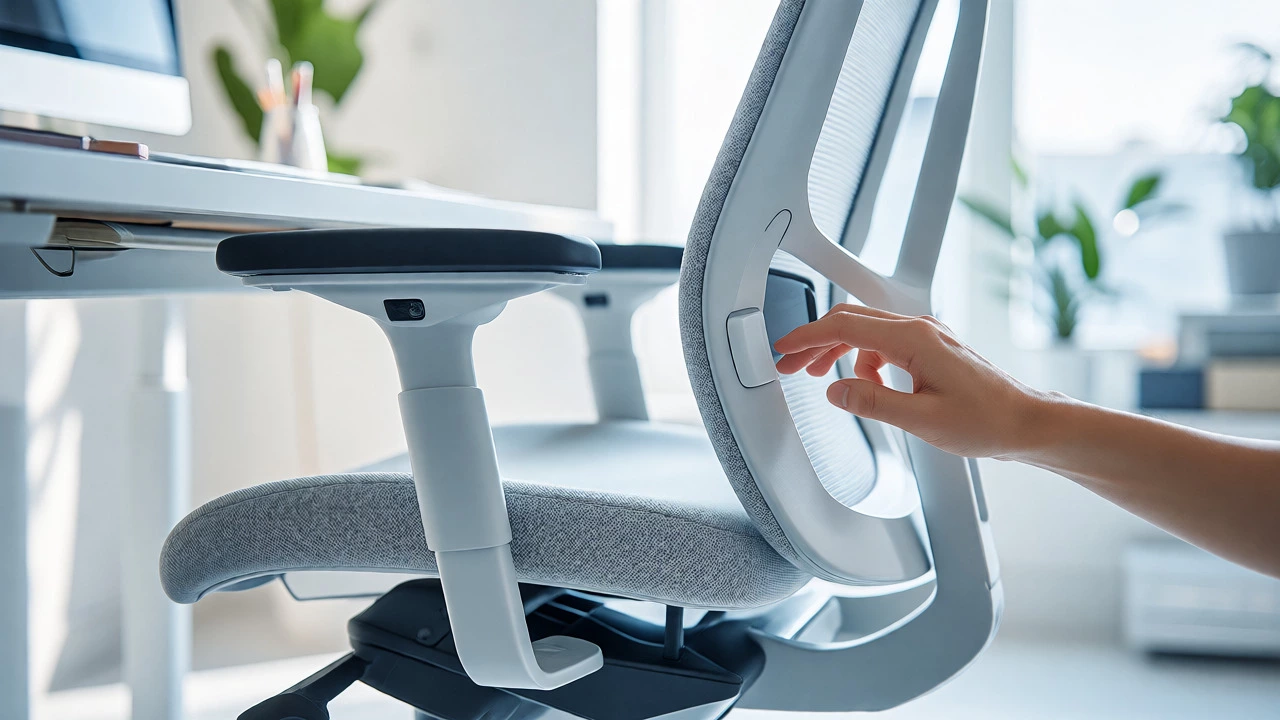
- Lumbar Support Detaches: Many modern chairs have adjustable lumbar pads. If the mechanism breaks and the pad won’t stay in place, you lose critical spinal support. DIY fixes with velcro rarely hold long-term.
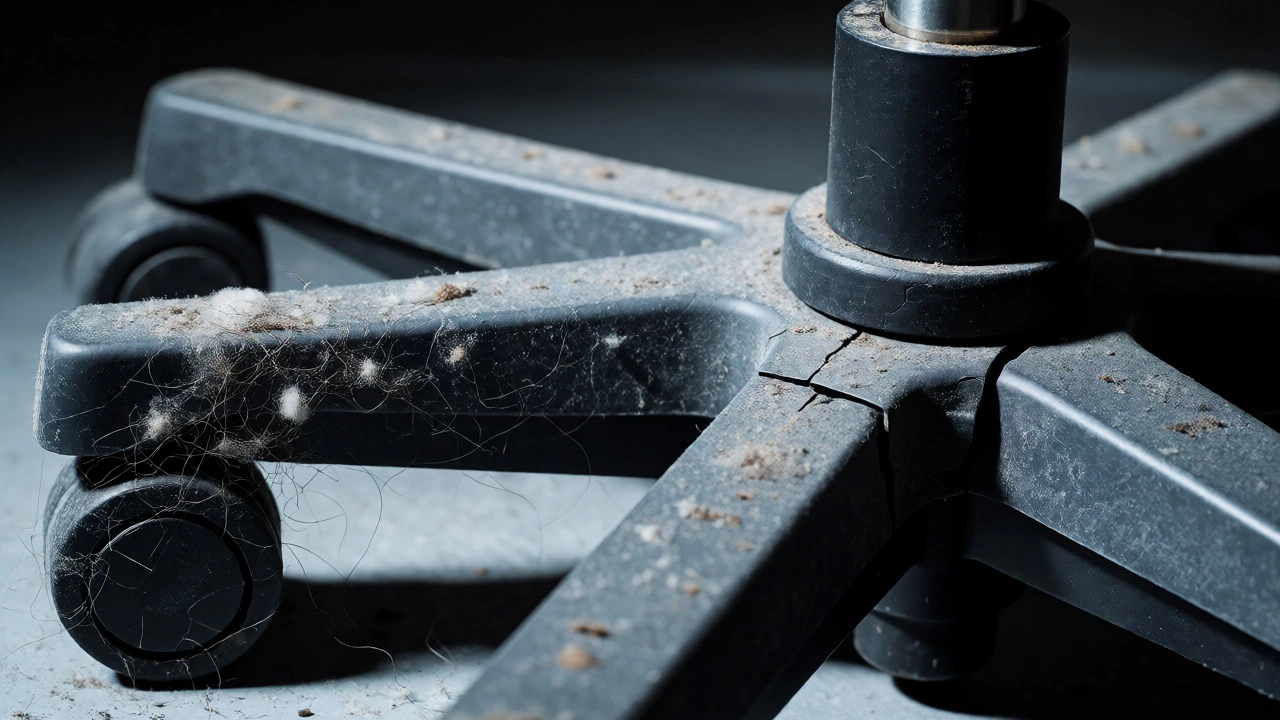
- Wheels Stick or Break: Casters accumulate hair and dust. If cleaning them doesn’t stop the dragging, the bearings are shot. Rolling smoothly is essential for reaching your keyboard without twisting your spine.
- Visible Frame Damage: Cracks in the plastic base or metal frame indicate structural weakness. A wobbly base is a safety hazard, not just an annoyance.
- Persistent Back Pain: If you feel better standing or sitting on a dining chair than in your expensive office chair, the ergonomics are gone. Your body knows before your eyes do.
Usage Intensity Matters More Than Time
A chair used by one person for six hours a day lasts significantly longer than one shared by three people for twelve hours a day. In corporate environments, hot-desking setups see higher turnover because different weights and heights stress the mechanisms differently. If you work from home and sit for eight to ten hours daily, treat your chair as a high-wear item.
Consider the "10,000 Hour Rule." If you sit eight hours a day, five days a week, you hit 10,000 hours in roughly five years. Most manufacturers test their components for this range. After that point, warranties often expire, and part availability drops. Check your warranty terms. A three-year warranty suggests the manufacturer expects the chair to fail shortly after. A ten-year warranty implies they believe it can survive a decade.
Repair vs. Replace: Doing the Math
Should you fix it or bin it? It depends on the cost of parts versus the value of the chair.
| Issue | Typical Repair Cost (AUD) | When to Repair | When to Replace |
|---|---|---|---|
| Gas Lift Cylinder | $30 - $60 | Chair is otherwise solid and less than 5 years old. | Chair is older than 7 years or has multiple other faults. |
| Casters (Wheels) | $20 - $40 (set) | Bearings are seized; easy DIY swap. | Base plate is cracked or warped. |
| Seat Foam | $50 - $100 (custom) | High-end chair with custom upholstery. | Budget chair where foam costs exceed 50% of new price. |
| Mechanism Failure | $80 - $150 + Labor | Under warranty or premium brand (e.g., Steelcase). | Generic brand where labor exceeds chair value. |
In Australia, spare parts for generic Amazon or Kmart chairs are often harder to source than buying a new unit. For premium brands like Herman Miller or Steelcase, parts are available for decades. If you own one of these, repair almost always makes financial sense.
Environmental Impact and Disposal
Throwing away a chair creates significant waste. Modern office chairs contain mixed materials-plastic, metal, foam, fabric-that are difficult to recycle together. Before tossing yours, check if local councils offer bulk item pickup or if charities accept usable furniture. Some companies take back old chairs for recycling programs when you purchase a new one. Always ask.
If the chair is beyond repair, separate the metal frame from the plastic and fabric if possible. This increases the chance of the metal being recycled. Don’t just dump it in the general waste bin unless you have no other option.
Pro Tips to Extend Your Chair’s Life
You can squeeze extra years out of your current setup with simple maintenance.
- Clean the Wheels Monthly: Flip the chair over. Pull out the casters. Remove wrapped hair and dust bunnies. Clean the axles with rubbing alcohol. Smooth-rolling wheels reduce strain on the gas lift.
- Tighten Screws Quarterly: Vibration from moving around loosens bolts. Use an Allen key to tighten connections between the seat, backrest, and base. Loose joints cause uneven wear.
- Rotate Usage: If you have a swivel chair, try to avoid always leaning on the same armrest. Shift your weight regularly to prevent asymmetric foam compression.
- Use a Floor Mat: On carpet, a hard floor mat prevents the wheels from digging in and reduces friction heat, which can degrade plastic bases over time.
Remember, your chair is a tool for health, not just decoration. If it hurts to sit, it’s costing you more in potential physiotherapy bills than a replacement would. Listen to your body first, then check the hardware.
How long do cheap office chairs last?
Budget chairs typically last 1 to 3 years with daily use. The foam compresses quickly, and the plastic mechanisms tend to crack under sustained weight. If you sit for more than 4 hours a day, consider investing in a mid-range chair ($200-$400 AUD) for better longevity.
Can I replace just the seat cushion?
Yes, but it depends on the design. Some chairs have removable covers allowing you to replace foam inserts. Others are stapled shut. If the foam is flat but the frame is good, a professional upholsterer can re-pad the seat for $50-$100, which is often worth it for high-quality frames.
Is it safe to keep using a chair with a sinking seat?
It is generally safe but inconvenient. The risk is low unless the gas cylinder leaks oil onto your clothes or the chair becomes unstable. However, constant adjustment interrupts workflow and can lead to poor posture as you compensate for the changing height. Replace the cylinder promptly.
Do warranties cover normal wear and tear?
Usually, no. Warranties cover manufacturing defects like broken mechanisms or frayed stitching. They rarely cover foam compression or fabric fading, which are considered normal wear. Always read the fine print; some premium brands offer extended coverage for parts.
How do I know if my chair is too small?
If your feet don’t rest flat on the floor while your knees are at 90 degrees, or if the backrest ends below your shoulder blades, the chair doesn’t fit you. Size issues aren’t about aging-they’re about compatibility. No amount of tightening screws will fix a poorly sized chair.