 17
Aug,2026
17
Aug,2026
Sofa Quality Inspector
Use this tool to score a potential sofa purchase. Check off the features you observe or confirm with the seller to get an estimated quality rating.
- Kiln-dried hardwood (Beech, Oak, Maple)
- Corner blocks or metal brackets at joints
- No rocking or creaking when pushed
- High-density foam (1.8 kg/m³ or higher)
- Springs back immediately after pressing
- Hybrid fill (Foam + Fiber/Down) for support
- Martindale Rub Count ≥ 20,000 (or Full-Grain Leather)
- Tight, even stitching with no loose threads
- Durable material (Performance weave, Velvet, Linen blend)
- Solid wood or thick steel legs (not hollow plastic)
- Heavyweight feel (indicative of dense materials)
- Quality hardware (YKK zippers, smooth reclining)
Assessment Result
Check the boxes above and click calculate to see your result.
Quality Rating
Description will appear here.
Breakdown:
Buying a sofa is one of the biggest furniture investments you’ll make for your home. Yet, walking into a showroom or scrolling through online listings can feel like guessing which piece will last five years and which will fall apart in six months. The difference isn't just about price; it’s about the hidden bones and skin of the furniture. Sofa quality is determined by three core components: the internal frame, the cushioning system, and the outer upholstery. Understanding these elements allows you to evaluate any sofa set with confidence, regardless of the brand name on the tag.
The Frame: The Skeleton of Your Sofa
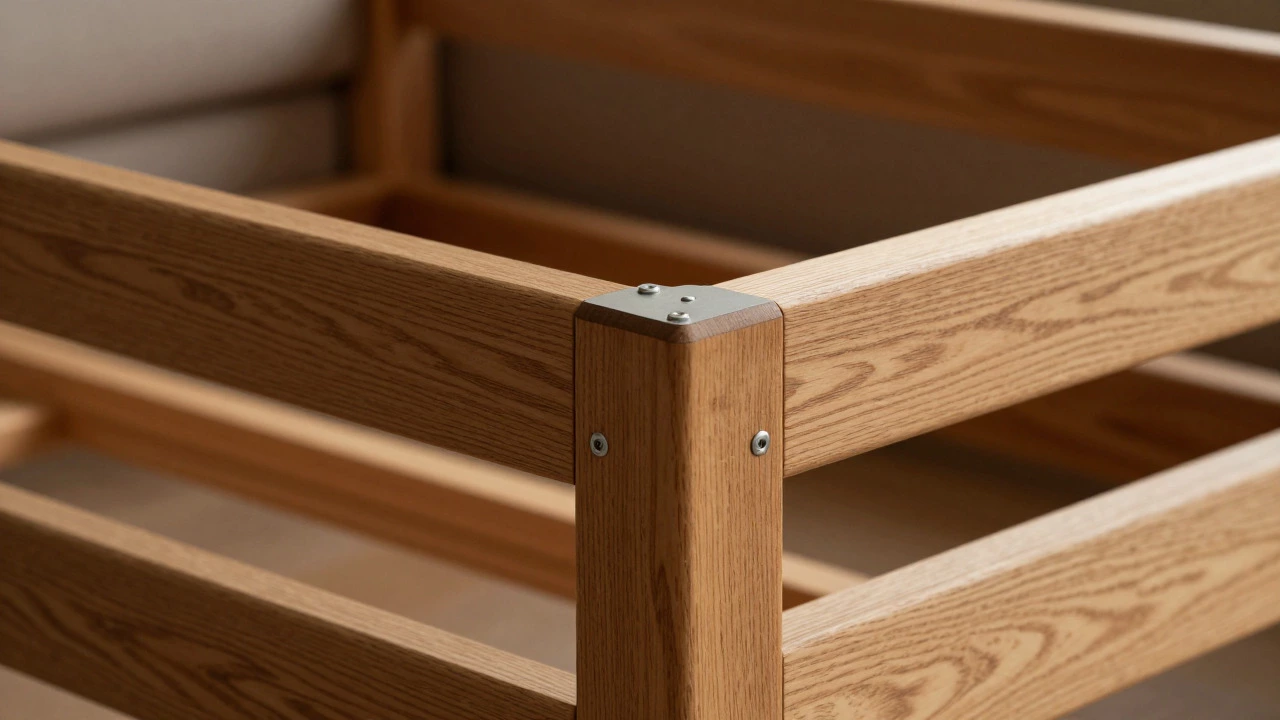
If you buy a cheap sofa that wobbles after a year, the culprit is almost always the frame. You don’t need to be a carpenter to check this, but you do need to know what to look for. High-quality sofas use kiln-dried hardwoods, typically beech, oak, or maple. These woods are stable and resistant to warping over time. Avoid frames made from particle board or softwoods like pine unless they are heavily reinforced, as they tend to crack under the weight of daily use.
When you inspect a sofa in-store, sit down and push back gently. Does it rock? Does it creak? A solid frame should feel rigid. If possible, ask the salesperson to show you the construction. Look for corner blocks or metal brackets at the joints. Glue alone is not enough for a piece meant to last decades. The frame also dictates the size of the seat depth and height, so ensure the structure supports the dimensions you actually want for your living space in Melbourne or anywhere else.
Cushioning: Comfort Meets Durability
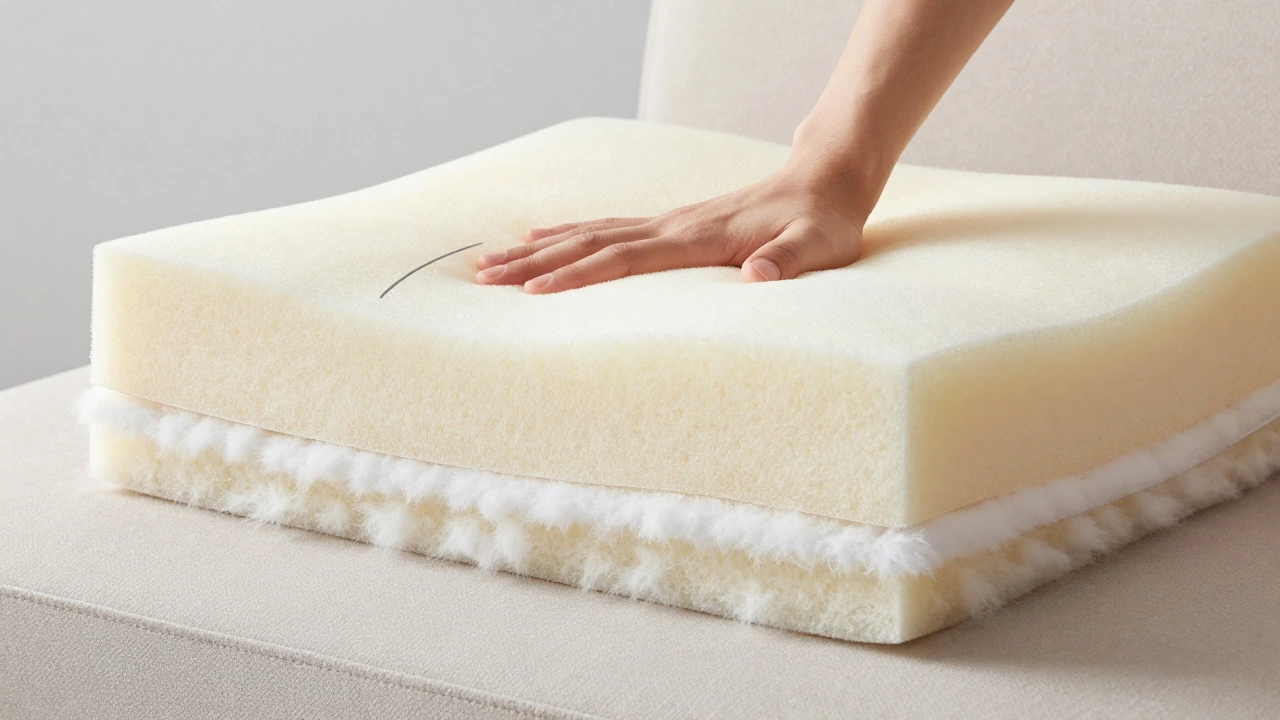
The frame holds the shape, but the cushions provide the comfort. There are two main types of foam used in modern sofas: high-density polyurethane foam and memory foam. High-density foam (usually 1.8 kg/m³ or higher) offers better support and longevity than low-density alternatives, which flatten out quickly. Memory foam conforms to your body but can trap heat, which might not suit everyone, especially in warmer climates.
For armless chairs or specific sofa sections, feather or down inserts offer a plush, luxurious feel. However, they require regular fluffing to maintain their shape. Many premium sofa sets use a hybrid approach: a layer of high-resilience foam wrapped in a thinner layer of fiber or down. This combination provides initial bounce and long-term support without feeling too hard or too soft. Always press the cushion firmly. If it springs back immediately and retains its shape, the foam quality is likely good. If it stays indented, expect sagging within a few years.
Upholstery: Fabric vs. Leather
The fabric is the first thing you see and touch, making it critical for both aesthetics and durability. For fabric sofas, look at the rub count, often called Martindale testing. This measures how many times the fabric can be rubbed before showing wear. For a standard household, a minimum of 15,000 to 20,000 rubs is recommended. Heavy-use areas or homes with pets may require 30,000+ rubs. Common durable fabrics include performance weaves, velvet, and linen blends, each offering different maintenance requirements.
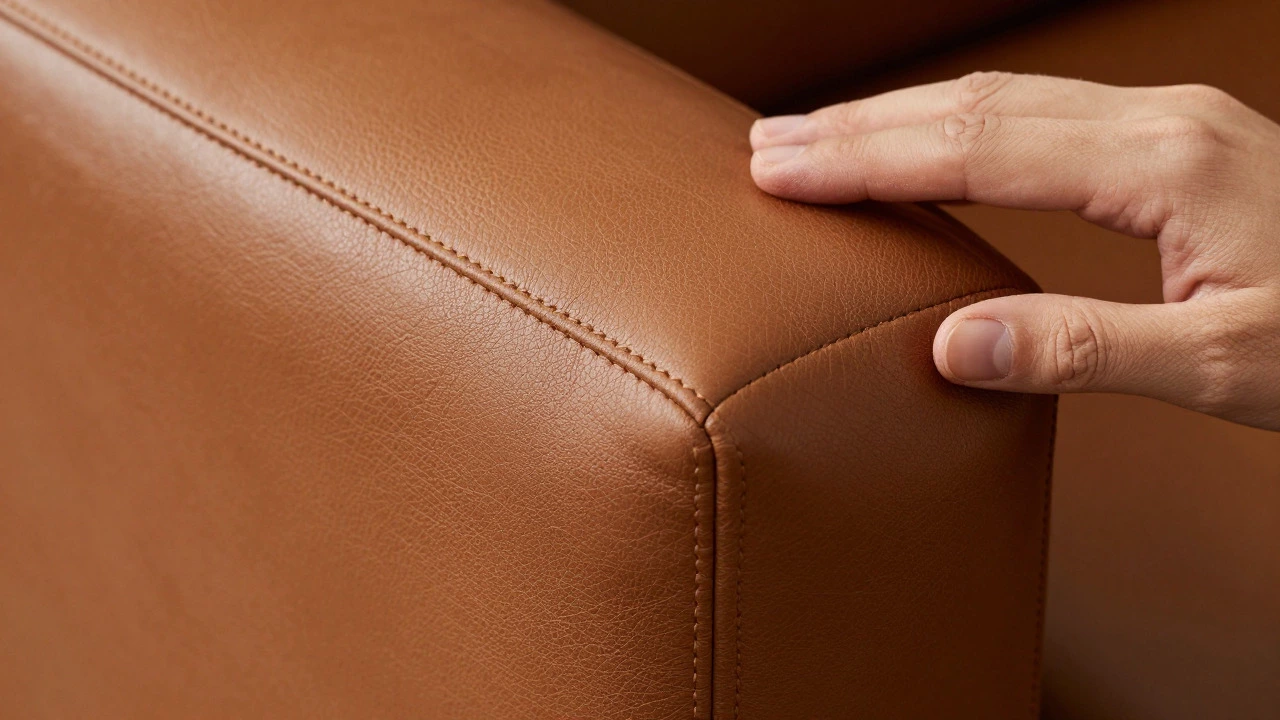
Leather is another popular choice for sofa sets due to its natural aging process and ease of cleaning. Full-grain leather is the highest quality, retaining the natural grain and developing a patina over time. Top-grain leather is sanded to remove imperfections, while bonded leather is made from scraps glued together and tends to peel over time. When checking leather, run your hand over the surface. It should feel smooth and consistent. Check the stitching; it should be straight, even, and tight. Loose threads or uneven seams indicate poor craftsmanship that will worsen with use.
| Component | Low Quality Indicator | High Quality Indicator |
|---|---|---|
| Frame | Particle board, softwood, glue-only joints | Kiln-dried hardwood, corner blocks, metal reinforcements |
| Upholstery | <15,000 rubs, synthetic fibers, loose stitching | >20,000 rubs, natural fibers, tight even stitching |
| Cushions | Low-density foam, flat fillings | High-resilience foam, hybrid feather/down cores |
| Legs | Hollow plastic, thin metal | Solid wood, thick steel, adjustable feet |
Construction Details That Matter
Beyond the big three components, small details reveal the overall build integrity. Check the zippers if the sofa has removable covers. YKK zippers are a standard for durability; generic zippers often break after a few cycles. Look at the piping along the edges. It should be smooth and unbroken. Uneven piping suggests rushed assembly. Also, examine the legs. They should be securely attached, not just screwed into the frame loosely. Solid wood legs or thick metal legs add stability and style. In humid environments, ensure the base of the sofa has adequate clearance from the floor to prevent moisture damage to the wooden frame.
Weight is another subtle indicator. A well-built sofa feels heavy because of the dense materials inside. If a large three-seater feels surprisingly light, it might be using cheaper materials to cut costs. While weight isn't everything, it correlates with material density and structural robustness. Combine this physical assessment with the manufacturer’s warranty. Reputable brands often offer 5 to 10-year warranties on frames and mechanisms, signaling confidence in their build quality.
Common Pitfalls to Avoid
Don’t let trendy designs fool you into ignoring structural basics. A stylish modular sofa might look great in photos, but if the connecting mechanisms are weak, the pieces will drift apart over time. Test the reclining mechanisms if applicable; they should operate smoothly without grinding noises. Avoid sofas with exposed springs visible through the fabric, as this indicates insufficient padding or poor tensioning. Finally, consider the context of your home. If you have young children or pets, prioritize stain-resistant fabrics and sturdy frames over delicate materials like silk or aniline leather. The best sofa is not the most expensive one, but the one built to withstand your specific lifestyle.
Frequently Asked Questions
What is the best material for a sofa frame?
Kiln-dried hardwoods such as beech, oak, or maple are considered the best materials for sofa frames. They offer superior strength, stability, and resistance to warping compared to softwoods or engineered woods like particle board.
How many rubs does a good sofa fabric need?
For average household use, a fabric with a Martindale rub count of at least 15,000 to 20,000 is recommended. For heavy use or households with pets, look for fabrics rated at 30,000 rubs or higher to ensure long-lasting durability.
Is memory foam good for sofa cushions?
Memory foam offers excellent contouring comfort but can retain heat and may lose its shape faster than high-resilience polyurethane foam. Many high-quality sofas use a blend of memory foam and high-density foam to balance comfort and support.
How can I tell if a leather sofa is full-grain?
Full-grain leather retains the natural grain pattern and shows slight irregularities. It feels firm yet supple. Top-grain leather looks more uniform because the surface is sanded, while bonded leather often has a printed texture and may feel plasticky or peel over time.
Why does a lightweight sofa seem suspicious?
A lightweight sofa may indicate the use of cheaper materials like hollow legs, thin foam, or lighter frame woods. While not definitive, significant lightness in a large piece of furniture often correlates with lower material density and potentially shorter lifespan.