 16
Aug,2026
16
Aug,2026
Fitted Wardrobe Cost Estimator (2026)
Estimated Total Cost
Cost Breakdown
Opening your bedroom door and seeing a chaotic pile of clothes on the floor is frustrating. You want a solution that maximizes space and looks sleek, but the price tag for a fitted wardrobe is a custom-built storage unit installed flush against walls to maximize room capacity. often shocks people. Unlike off-the-shelf units you can buy from a big-box store, these are made-to-measure pieces. So, what should you actually expect to pay in 2026?
The short answer is: it varies wildly. A basic standard-sized unit might set you back £1,500, while a luxury full-room transformation can easily exceed £8,000. The difference comes down to three main factors: size, materials, and labor complexity. Understanding these variables helps you budget without surprises.
Key Takeaways
- Average cost for a standard single-person fitted wardrobe ranges from £1,500 to £3,000.
- Luxury or double-height units typically cost between £4,000 and £8,000+.
- Material choice (MDF vs. Solid Oak) is the biggest driver of price differences.
- Installation costs are usually included in quotes but can add 15-20% if DIY isn't an option.
- Always get at least three quotes to compare finish quality and warranty terms.
Breaking Down the Price Ranges
Let's look at realistic numbers based on current market rates. Prices below assume a standard UK residential installation with professional fitting.
| Category | Typical Dimensions | Price Range (£) | Common Materials |
|---|---|---|---|
| Budget / Entry-Level | 1m wide x 2m high | £1,200 - £2,000 | MDF, Laminate, Basic Sliding Doors |
| Mid-Range Standard | 1.5m wide x 2.2m high | £2,500 - £4,500 | Veneer, Glass Panels, Soft-Close Hardware |
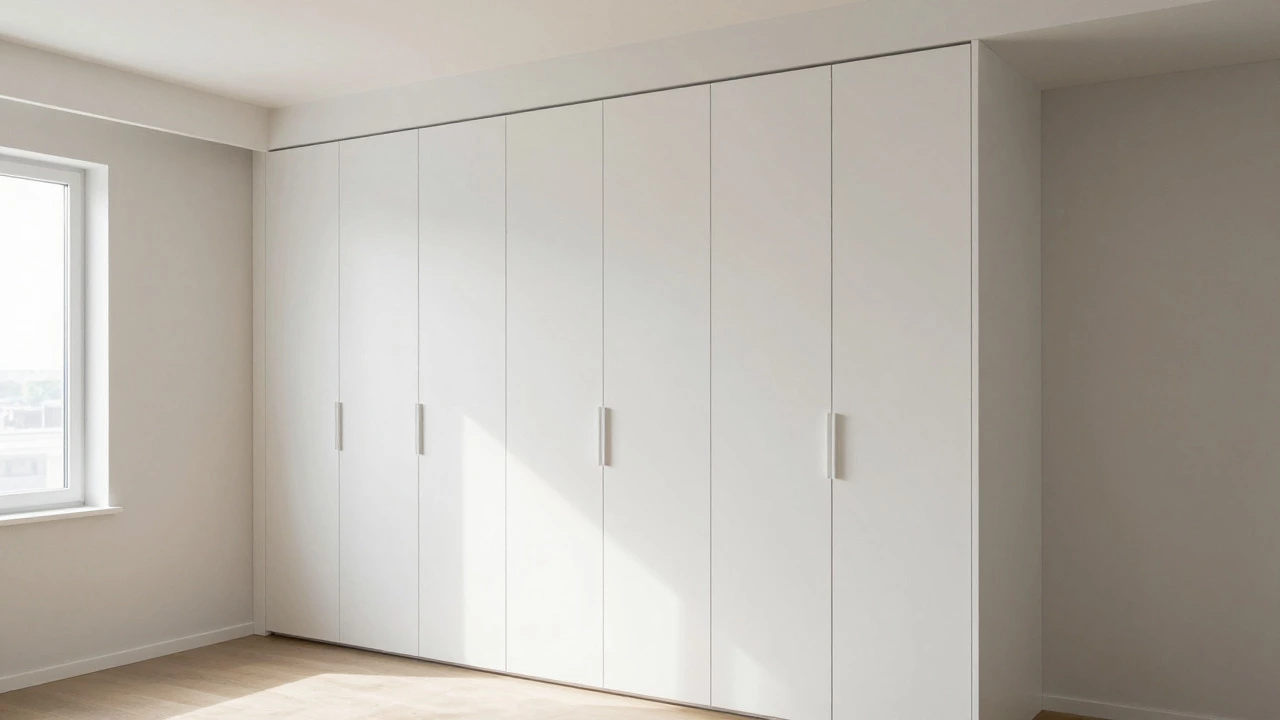
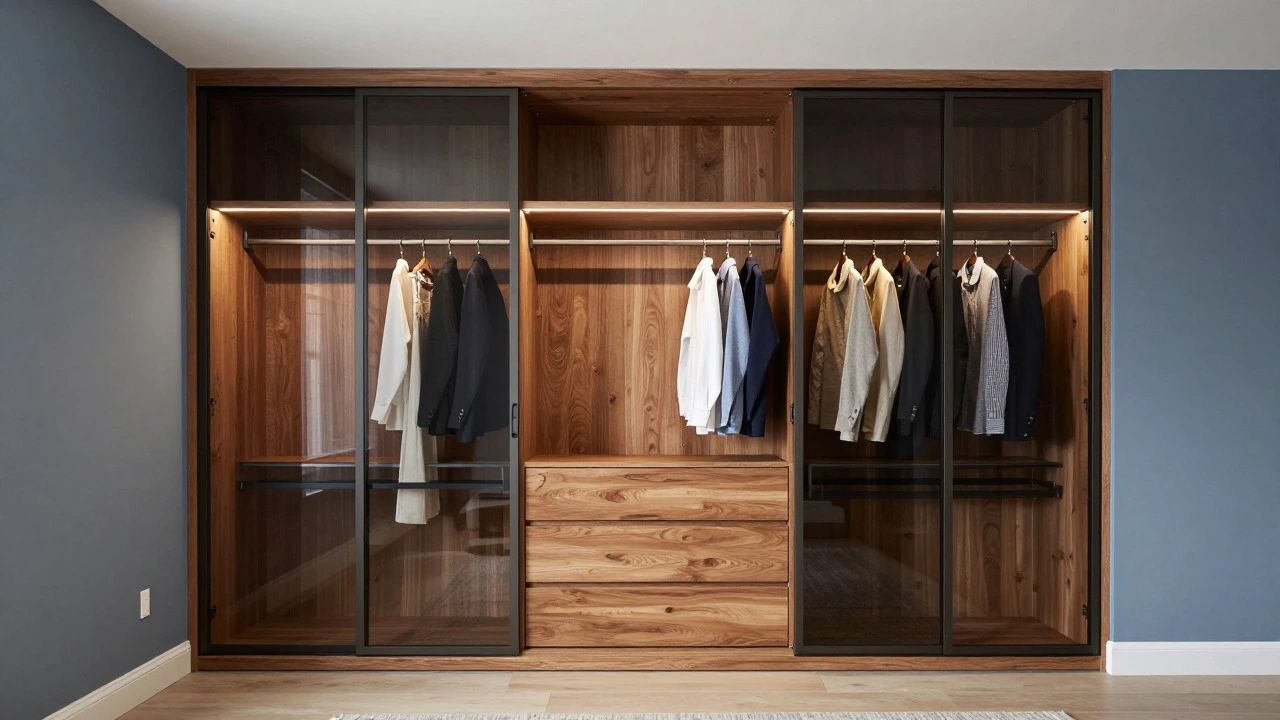
| Premium / Luxury | 2m+ wide, Full Height | £5,000 - £9,000+ | Solid Wood, Mirrored Glass, Integrated Lighting |
| Full Room Transformation | Entire Wall / Multiple Bays | £7,000 - £15,000+ | Custom Design, Smart Storage, High-End Finishes |
Notice how the jump from mid-range to premium is significant. That extra money buys you solid wood instead of engineered boards, better hinges that last decades, and design flexibility. If you're planning to stay in your home for more than five years, investing in the mid-to-premium tier often makes financial sense because these units outlast cheaper alternatives.
What Drives the Cost Up or Down?
It’s not just about square footage. Several specific factors influence the final invoice.
1. Material Quality
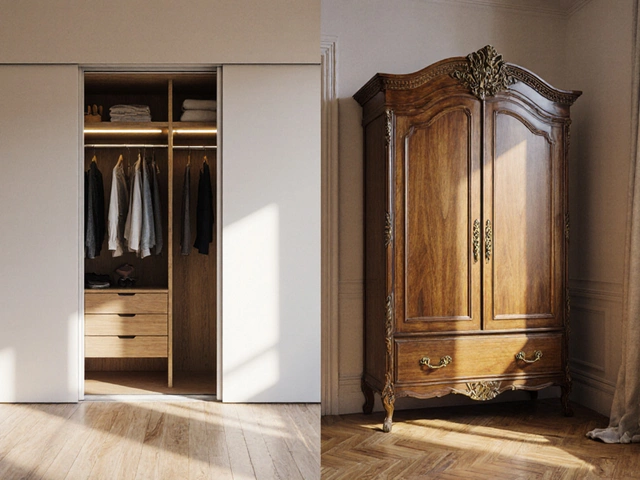
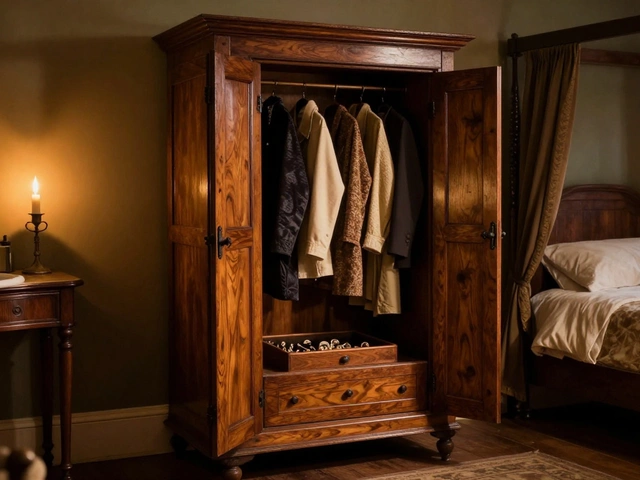
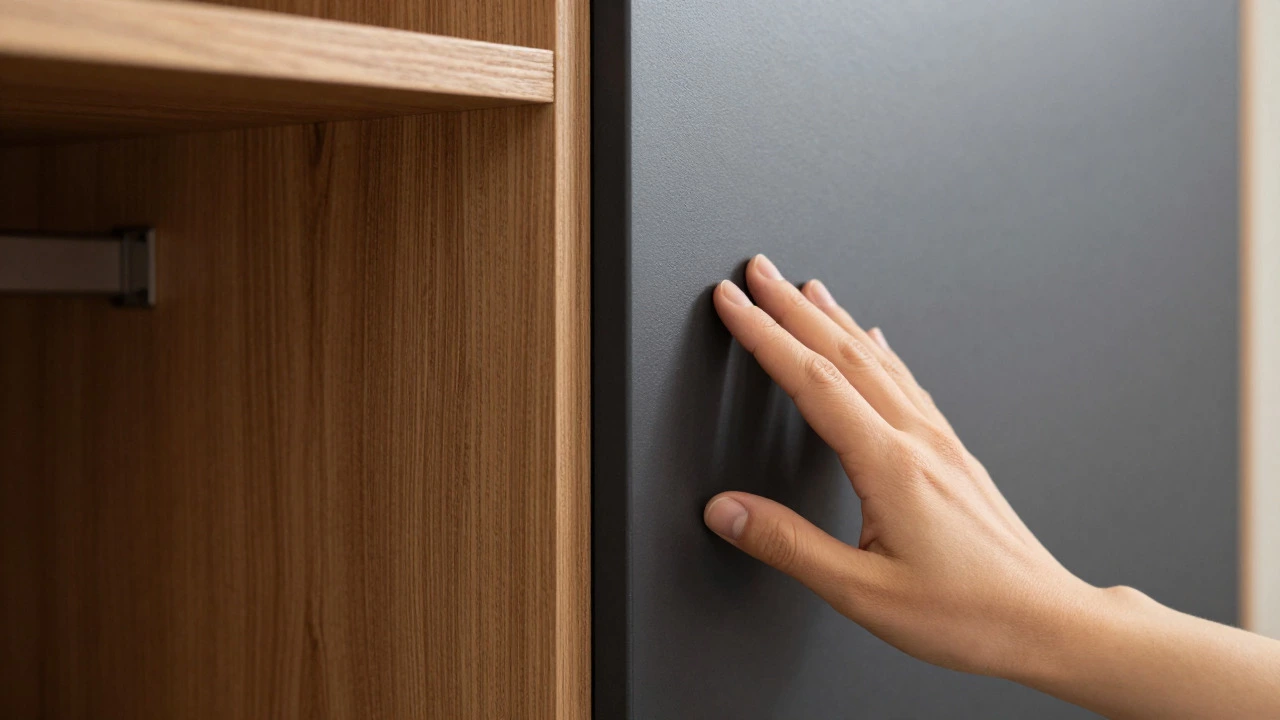
MDF (Medium-Density Fiberboard) is a dense panel product made from wood fibers and resin, commonly used in budget furniture. It’s affordable and smooth, making it great for painting or laminating. However, it can swell if exposed to moisture over time. On the other hand, Solid Oak is a durable hardwood known for its strength and natural grain patterns, significantly more expensive than engineered woods. costs nearly double. If you choose veneers (thin layers of real wood glued to MDF), you get the look of solid wood at a lower price point, though it’s less repairable if scratched.
2. Door Mechanisms
Hinged doors are generally cheaper than sliding doors because they require simpler hardware. Sliding doors save space in narrow rooms but involve complex track systems. If you opt for pocket doors (which disappear into the wall), expect to pay a premium for both the mechanism and the structural modifications needed in the wall cavity.
3. Internal Configuration
Basic shelving is cheap. But add things like:
- Rotating shoe racks
- Drawers with soft-close dampers
- Trousers rails
- Integrated LED lighting strips
- Jewelry organizers
Hidden Costs to Watch Out For
The quote you receive might not cover everything. Here are common extras that catch homeowners off guard:
- Wall Preparation: If your walls are uneven or damaged, leveling them before installation adds labor hours. This can cost £100-£300 depending on severity.
- Electrical Work: Installing internal lights or charging points requires a qualified electrician. Budget around £150-£250 for this service.
- Removal of Old Furniture: Some installers charge extra to haul away your old wardrobe. Ask if disposal is included in the quote.
- Design Fees: While many companies include basic design in the package, bespoke architects or high-end designers may charge a separate fee, often 10-15% of the project cost.
Always ask for an "all-in" price during the consultation. If the installer says "that depends," get a written breakdown of potential extras so there are no surprises on payment day.
Fitted Wardrobes vs. Freestanding Units
Why not just buy a large IKEA PAX or similar freestanding unit? It’s a valid question. Freestanding wardrobes are cheaper upfront-often £500 to £1,500 for a decent size. They’re also easier to move if you relocate. However, they rarely fit perfectly. Gaps form between the unit and the wall, ceiling, or skirting board. These gaps collect dust and waste valuable space. Fitted wardrobes eliminate these gaps. They go from floor to ceiling and corner to corner. This means you gain vertical storage space that freestanding units miss. In smaller bedrooms, this difference can be the gap between having enough storage and needing a second dresser. Additionally, fitted units feel more integrated and high-end, which can boost your home’s perceived value when selling.
How to Get an Accurate Quote
Don’t rely on online calculators alone. While useful for ballpark figures, they don’t account for your specific room quirks. Follow these steps for a precise estimate:
- Measure Your Space: Use a laser measure if possible. Record width, height, and depth. Note any obstructions like radiators, windows, or electrical sockets.
- List Your Needs: How much hanging space do you need? Do you have bulky coats? Shoes? Accessories? Write down quantities.
- Choose a Style: Gather inspiration images. Decide on colors, finishes, and door types.
- Contact Local Installers: Reach out to at least three reputable local companies. Ask for a site visit. Most will come out for free to take measurements.
- Compare Quotes: Look beyond price. Check reviews, ask for references, and verify their insurance coverage.
A good installer will listen to your lifestyle, not just sell you shelves. If they rush the measurement process, that’s a red flag. Precision matters here because once the unit is built, changing it is expensive.
When Is It Worth the Investment?
Fitted wardrobes aren’t for everyone. If you rent or plan to move within two years, a freestanding unit might be smarter. But if you own your home and plan to stay long-term, the investment pays off in convenience and aesthetics. Plus, well-installed built-ins can increase property value by improving functionality and visual appeal. Real estate agents often note high-quality storage as a positive feature in listings.
Think of it as buying once, crying once. A cheap unit that wobbles after a year is worse than a slightly more expensive one that lasts a decade. Focus on durability and fit rather than the lowest initial price.
Frequently Asked Questions
Do fitted wardrobes increase house value?
Yes, especially in older homes where original storage was limited. High-quality built-ins signal maintenance and modernization. While they won’t double your home’s value, they contribute to a higher asking price by enhancing livability and aesthetic appeal.
How long does installation take?
For a standard single bay, expect 1-2 days. Larger projects involving multiple bays or complex designs can take 3-5 days. The manufacturing lead time is usually 4-8 weeks before installation begins.
Can I install a fitted wardrobe myself?
Technically yes, but it’s risky. Precision is critical. A millimeter error can cause doors to misalign or shelves to sag. Unless you have extensive carpentry experience, hiring a professional is worth the cost to avoid costly mistakes.
What is the most durable material for a fitted wardrobe?
Solid hardwoods like Oak or Walnut are the most durable. They resist wear and tear better than MDF or particleboard. If budget is tight, high-quality veneered MDF is a good compromise, offering a wood-like appearance with reasonable durability if handled carefully.
Are sliding doors worth the extra cost?
If you have limited floor space, yes. Sliding doors allow you to open the wardrobe without needing swing-out clearance. They are ideal for narrow hallways or small bedrooms. Hinged doors are cheaper and offer full access to contents, so choose based on your room layout.