 25
Oct,2026
Grey Sofa Compatibility Checker
Find out which grey tone (Cool, Warm, or Charcoal) best suits your specific living room conditions.
Choose your room characteristics above and click "Analyze" to see your ideal grey shade.
You walk into a furniture showroom or scroll through Instagram home tours, and there it is: the grey couch. It’s everywhere. From sleek Melbourne apartments to sprawling suburban family homes, this neutral shade has quietly taken over our living rooms. But why? Is it just a passing fad, or does it offer something deeper than its beige or blue competitors? The truth is, grey couches are popular because they solve the biggest problem in modern home decor: flexibility without sacrificing style.
If you’re debating whether to buy one, you need to look beyond the color swatch. You need to understand how light interacts with fabric, how stains behave on different weaves, and why designers keep recommending them year after year. Let’s break down exactly why this trend has stuck around for so long and what you should know before committing your space to grey.
The Chameleon Effect of Neutral Tones
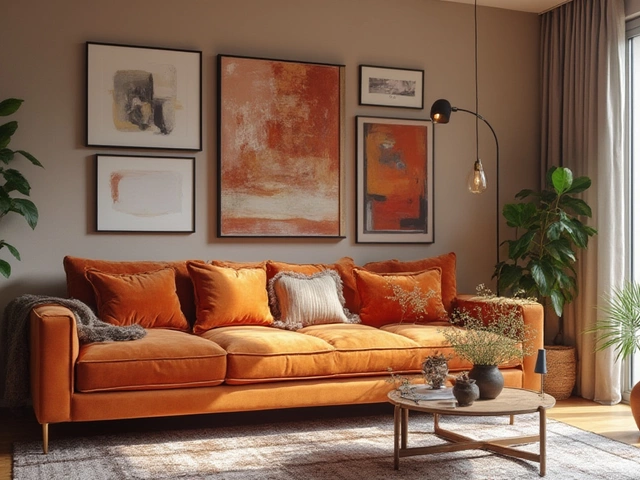
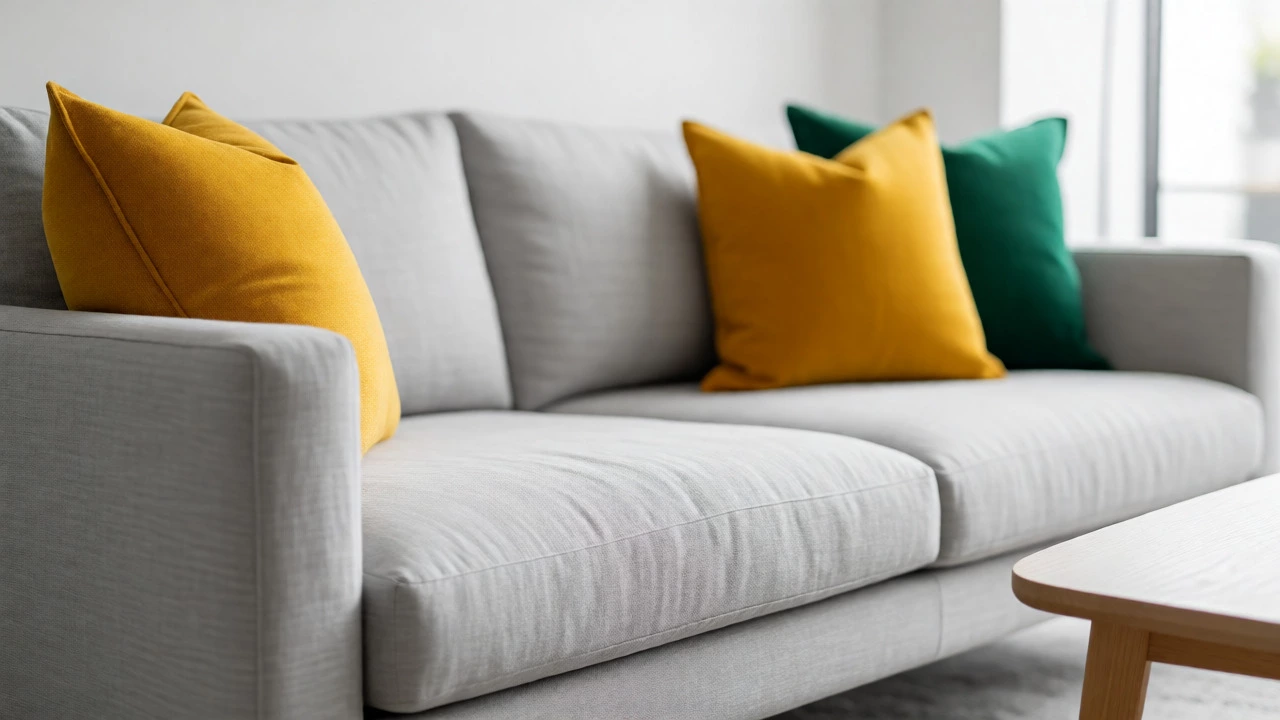
Think about the last time you wanted to change your room’s vibe. Did you want to repaint the walls? Swap out the rug? Maybe add some vibrant throw pillows? With a bold-colored sofa-like emerald green or burnt orange-you’re locked in. That piece dictates the entire palette. A grey sofa acts as a visual anchor that recedes into the background, allowing other elements to take center stage. This is what interior designers call "visual quietness." It doesn’t compete with your art, your plants, or your wooden coffee table. It just sits there, supporting the rest of the design.
This neutrality makes grey incredibly resilient to changing trends. In 2015, everyone wanted cool-toned greys paired with white walls. By 2026, the preference has shifted toward warmer, greige tones (a mix of grey and beige) that feel cozier and less clinical. If you bought a warm charcoal three years ago, it still looks current today. Try that with a mustard yellow velvet sofa from 2018. It feels dated instantly. Grey evolves with the times because it lacks strong personality of its own, letting the accessories do the talking.
Practicality Meets Modern Lifestyles
Let’s be real: life is messy. We have kids, pets, wine nights, and muddy boots. White sofas are beautiful but terrifying. Dark navy hides dirt well but can make a small room feel cramped and heavy. Grey hits the sweet spot in the middle. It’s forgiving enough to hide minor spills between cleanings but light enough to keep a room feeling airy and open.
| Color Family | Stain Visibility | Space Perception | Trend Longevity |
|---|---|---|---|
| Light Grey | Moderate (shows dark liquids) | Expands small spaces | High |
| Charcoal/Dark Grey | Low (hides dust/pet hair) | Can shrink large rooms | Very High |
| White/Cream | High (shows everything) | Brightest, most open | Medium |
| Bold Colors (Blue/Green) | Low to Moderate | Dominates the room | Low to Medium |
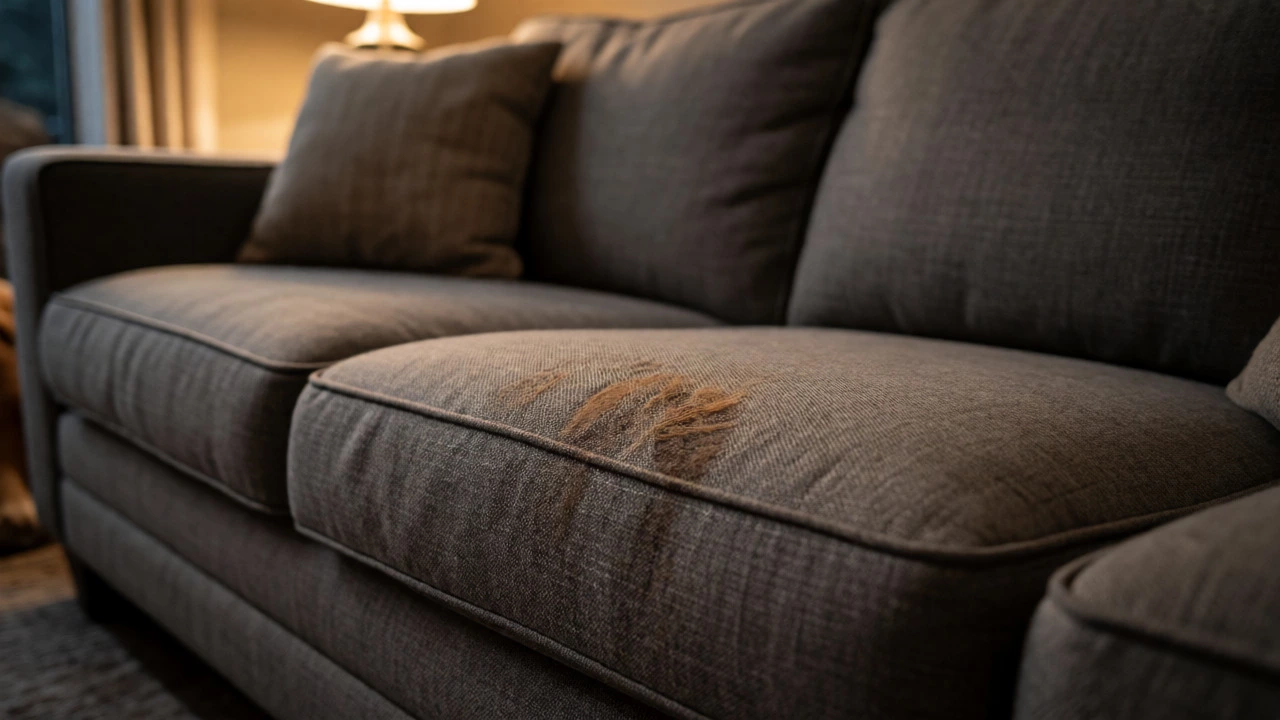
Pet owners especially love mid-tone greys. If you have a golden retriever shedding fur all over your lounge, a black sofa shows every single hair. A white sofa shows mud paws. But a medium-grey linen blend? The pet hair blends right in until you vacuum. It’s not magic; it’s just optical camouflage. Plus, grey fabrics tend to show fading less obviously than bright dyes, which can bleach out unevenly under sunlight over five or ten years.
Lighting and Space Illusion
Australia gets intense sunlight, especially here in Melbourne where the weather changes four times in a day. How your sofa reacts to light matters. Light grey reflects natural daylight, bouncing it around the room and making smaller apartments feel twice their size. This is crucial for urban dwellers who don’t have sprawling country estates. A dark brown leather chesterfield might look classy, but in a compact city apartment, it absorbs light and closes off the space.
However, not all greys are created equal. Cool greys (with blue undertones) can look icy and sterile in north-facing rooms that already lack warmth. Warm greys (with yellow or brown undertones) soften the look and work beautifully in sun-drenched south-facing living areas. When shopping, always test the fabric sample at home during different times of the day. What looks like a chic slate grey in the store lighting might turn a depressing storm-cloud grey under your living room lamps.
The Psychology of Calm
Home is supposed to be a sanctuary. After a high-stress day at work, coming home to a chaotic, brightly colored environment can be overstimulating. Color psychology suggests that neutrals promote relaxation. Grey, being the absence of strong chromatic energy, lowers cognitive load. Your brain doesn’t have to process a loud visual statement when you sit down to read or watch TV.
This isn’t just woo-woo theory. Studies in environmental psychology have shown that people report lower stress levels in rooms dominated by earthy, neutral palettes compared to those with highly saturated colors. A grey couch acts as a psychological reset button. It’s the visual equivalent of a deep breath. For many buyers, this emotional benefit outweighs pure aesthetics. They aren’t just buying furniture; they’re buying peace of mind.
Versatility Across Design Styles
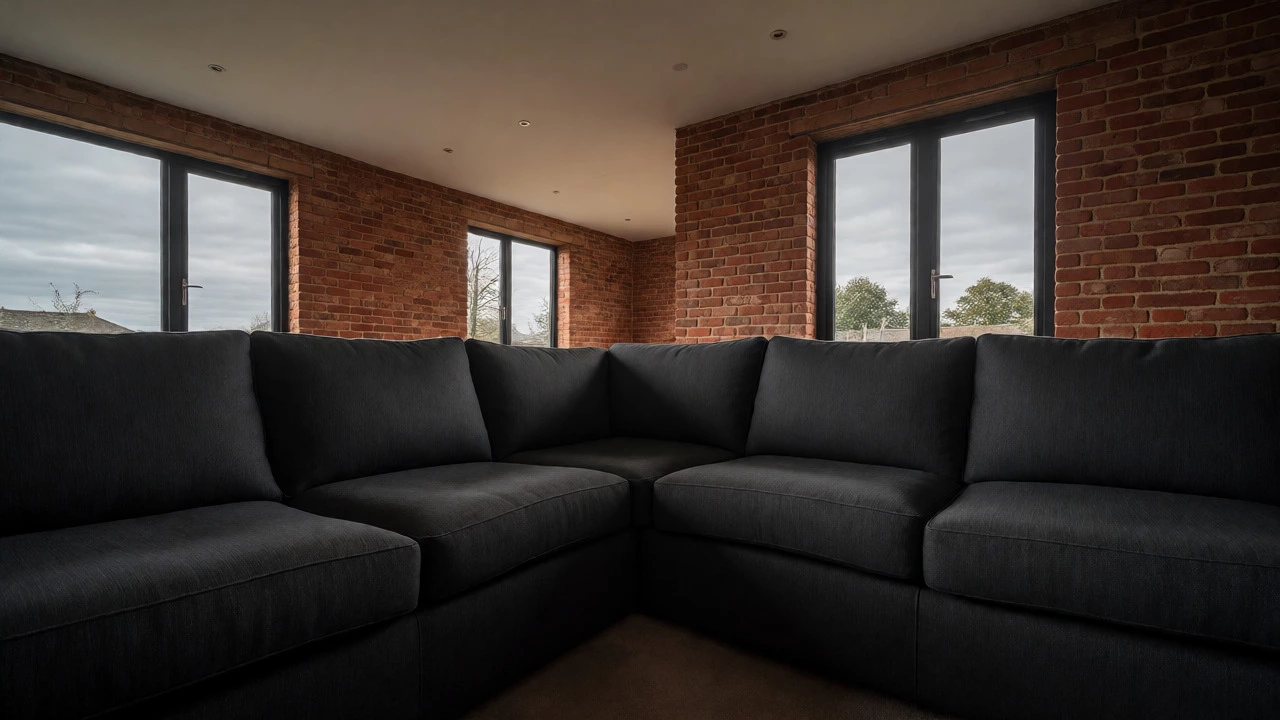
One of the strongest arguments for grey is its ability to fit almost any aesthetic. Want a Scandinavian minimalist look? Pair a light grey boucle sofa with pale oak legs and white walls. Prefer industrial chic? Go for a dark grey leather sectional against exposed brick. Like bohemian vibes? Drape a grey linen couch with colorful macramé cushions and layered rugs.
Because grey is technically a tint of black mixed with white, it contains no inherent hue bias. This means it pairs effortlessly with virtually every other color. Gold accents pop against grey. Emerald greens look rich next to it. Even pastels don’t clash. This versatility protects your investment. If you decide to repaint your walls from sage green to terracotta, your grey sofa won’t suddenly look wrong. It will simply adapt. Compare this to a pink velvet sofa, which requires careful curation of surrounding colors to avoid looking like a candy shop.
Resale Value and Market Demand
Furniture is a big-ticket item. Unless you plan to move into a forever home tomorrow, you’ll likely sell or pass down your sofa eventually. Here’s the cold hard fact: grey sells faster. Real estate agents often recommend staging homes with neutral furniture because it appeals to the widest range of potential buyers. Bold choices narrow the market; neutrals broaden it.
When I help friends move houses, I see this play out constantly. A pristine condition designer sofa in a trendy teal might sit on Marketplace for weeks while interested viewers hesitate, wondering if it fits their existing decor. A similar model in charcoal grey gets multiple inquiries within hours. Buyers assume they can make it work. They don’t have to imagine a new room layout; they just slot the sofa into theirs. This liquidity makes grey a smarter financial choice for renters and frequent movers alike.
Common Pitfalls to Avoid
Despite its popularity, grey isn’t foolproof. The biggest mistake people make is choosing a flat, lifeless grey that matches their carpet too closely. This creates a "muddy" effect where the floor and furniture blur together, killing depth in the room. To fix this, ensure contrast. If your carpet is light grey, choose a darker charcoal sofa. If your walls are white, consider adding texture with a nubby weave or a patterned throw to break up the monotony.
Another trap is ignoring undertones. Mixing cool and warm greys in the same room can look accidental rather than designed. Stick to one temperature. Also, beware of "greige" if you hate beige. Some shades lean so heavily toward brown that they lose the crisp modern edge people associate with grey. Always check samples against your flooring, as wood tones can drastically alter how a grey fabric appears.
Final Thoughts on Making the Switch
So, is a grey couch right for you? If you value longevity, ease of maintenance, and design flexibility, then yes. It’s the safe bet, but "safe" doesn’t mean boring. It means smart. You can spend the money you saved on not having to replace a trendy sofa in two years on better quality materials, custom cushions, or artwork that truly reflects your personality.
Don’t let the ubiquity of grey discourage you. Its popularity exists for good reasons. It works. It lasts. It adapts. Just make sure you pick the right shade for your specific lighting conditions and lifestyle needs. Once you do, you’ll wonder why you ever considered anything else.
Do grey couches get dirty easily?
Grey is generally more stain-resistant than white or cream but less forgiving than black or very dark navy. Mid-tone greys offer the best balance, hiding dust and pet hair effectively while masking minor spills until they can be cleaned. Performance fabrics like microfiber or treated linen further enhance durability.
What color throws go best with a grey sofa?
Almost any color works due to grey's neutrality. For warmth, try mustard yellow, rust, or terracotta. For a calm look, use soft blues, greens, or lavender. Metallic accents like gold or silver also pair beautifully with grey textures.
Is light grey or dark grey better for small rooms?
Light grey is typically better for small rooms as it reflects light and creates an illusion of space. Dark grey can make a small room feel cozy but potentially cramped if not balanced with ample lighting and lighter wall colors.
How do I clean a grey fabric sofa?
Vacuum weekly to remove dust and allergens. Blot spills immediately with a clean cloth; do not rub. Use a mild detergent solution for tougher stains, testing on a hidden area first. Professional cleaning once a year helps maintain color vibrancy and fabric integrity.
Does grey furniture go out of style?
Grey is considered a timeless neutral rather than a temporary trend. While specific shades may shift (e.g., from cool steel to warm taupe), the category itself remains staple in interior design due to its versatility and compatibility with evolving decor styles.