 5
Oct,2026
5
Oct,2026
Sofa Brand Finder
Not sure which brand is right for you? Answer these three quick questions to get a personalized recommendation based on quality, price, and durability.
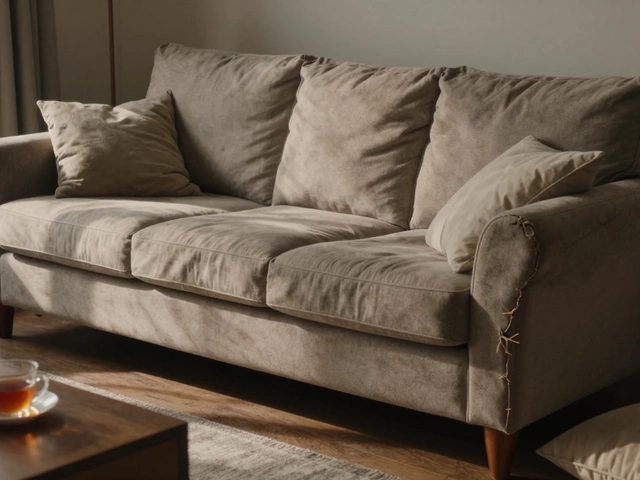
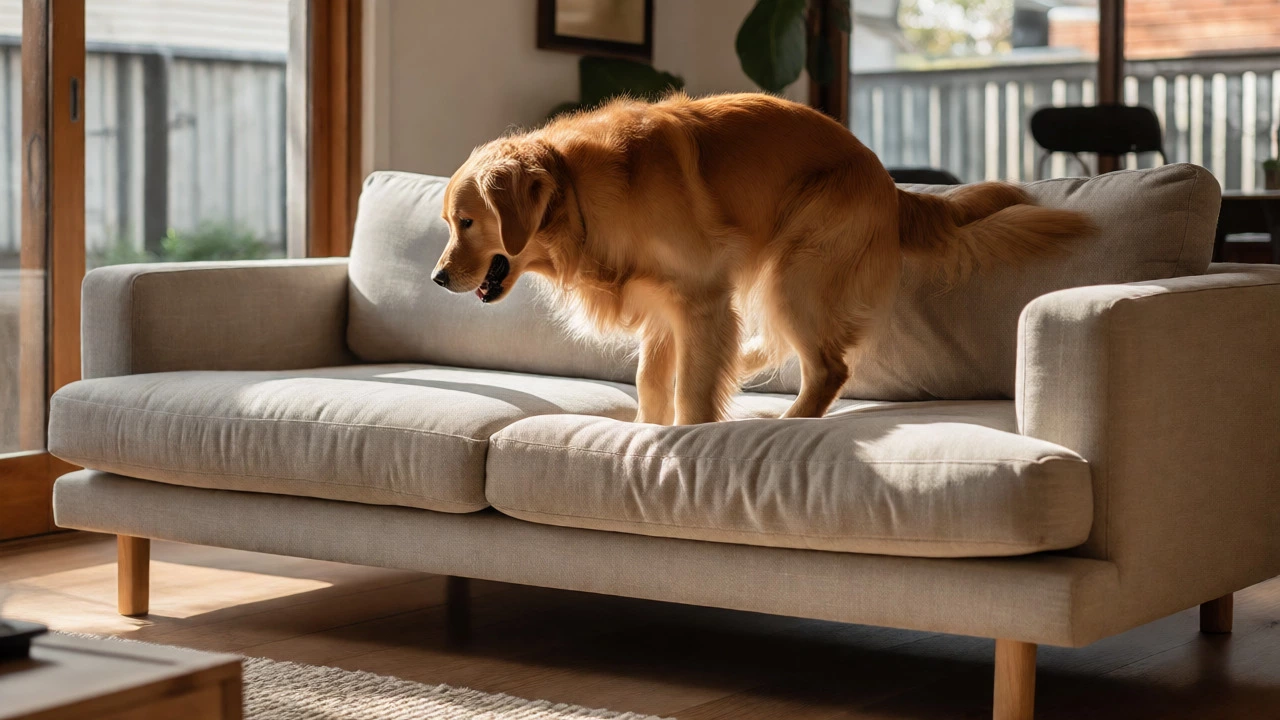
You walk into a showroom, sit on three different sofas, and they all feel roughly the same. The salesperson tells you it’s Italian leather. It costs $4,000. You buy it. Six months later, the cushion sags like a deflated balloon, and the frame creaks when your dog jumps up. Sound familiar?
The truth is, there is no single "best" company that sells the best sofas for everyone. If someone tells you otherwise, they are selling you something. The right brand depends entirely on what you value: longevity, style, budget, or specific features like pet-friendly fabrics. But we can narrow down the field by looking at who consistently delivers quality frames, honest materials, and good after-sales support.
| Brand | Price Range (AUD) | Best For | Frame Warranty |
|---|---|---|---|
| Nick Scali | $1,500 - $8,000+ | Premium design & European imports | 5-10 Years |
| Temple & Webster | $800 - $3,500 | Trendy styles & online convenience | 1 Year |
| Joyce Furniture | $1,200 - $4,000 | Australian-made durability | 10 Years |
| Kmart | $300 - $1,200 | Budget basics & short-term use | 1 Year |
| Furl | $1,000 - $3,000 | Modern minimalist aesthetics | 1 Year |
Defining "Best": What Actually Matters?
Before we name names, let’s agree on what makes a sofa "good." Most people focus on how it looks. That’s fine for Instagram, but terrible for your back. A truly great sofa relies on three invisible things:
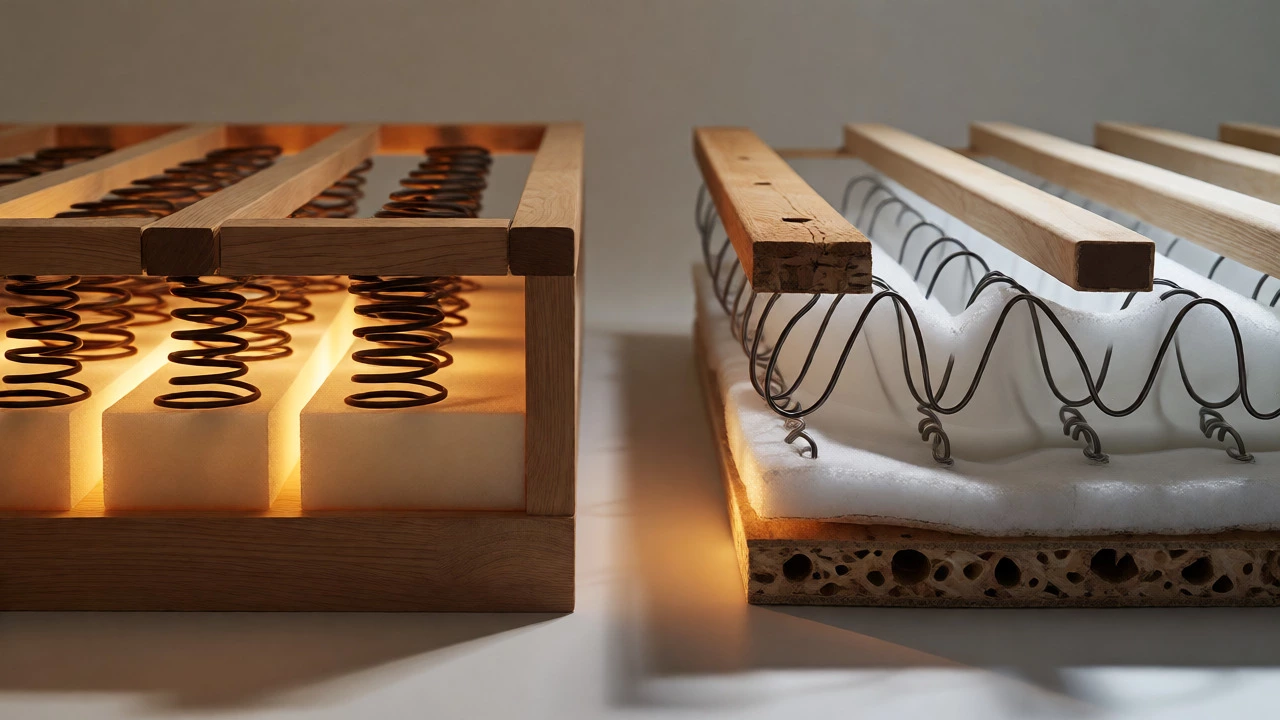
- The Frame: Hardwood (like oak or beech) beats plywood. Plywood bends; hardwood holds its shape for decades.
- The Suspension: Eight-way hand-tied springs are the gold standard. Sinuous springs are cheaper but less durable. Webbing is often just cheap cardboard disguised as support.
- The Foam: High-density foam lasts years. Low-density foam turns into mush within 12 months. Check the density rating if you can.
If a brand hides these specs, assume the worst. They are likely using cost-cutting measures to hit a low price point while marketing the fabric pattern.
Nick Scali: The Premium Powerhouse
Nick Scali is a type of premium furniture retailer known for importing high-end European designs. If you have the budget, this is often the safest bet for style and build quality. They don’t manufacture everything themselves, which means their inventory changes fast. You might see a stunning modular sectional today that’s gone tomorrow.
Why do people love them? Their sourcing is rigorous. Many of their sofas feature kiln-dried hardwood frames and genuine top-grain leathers. However, you pay for the brand name and the retail experience. Expect to spend upwards of $3,000 for a decent three-seater. Is it worth it? If you want a statement piece that won’t look dated in five years, yes. If you just need somewhere to sit while watching TV, maybe not.
Joyce Furniture: The Australian-Made Workhorse
When it comes to raw durability, local manufacturing often wins. Joyce Furniture belongs to the category of Australian-owned manufacturers prioritizing long-term structural integrity over fleeting trends. Based in Melbourne, they have been building sofas since 1967. That’s nearly six decades of tweaking designs based on real-world wear and tear.
Their standout feature is the 10-year frame warranty. Try getting that from an overseas importer. Joyce uses solid timber frames and high-resilience foam. Their aesthetic is more traditional than trendy, focusing on comfort and classic lines. If you have kids or pets, check out their performance fabrics. They resist stains better than standard cotton blends. The downside? Delivery times can stretch to 8-12 weeks because they build to order. Patience pays off here.
Temple & Webster: The Online Trendsetter
Not everyone wants to visit a showroom. Temple & Webster relates to online-first retailers offering curated modern designs with competitive pricing. They dominate the digital space for mid-range buyers. Their catalog is massive, featuring everything from velvet Chesterfields to sleek Scandinavian minimalism.
Here’s the catch: Temple & Webster doesn’t make the sofas. They curate them from various suppliers, many overseas. Quality control can vary. One batch of a popular model might be perfect; the next might have loose stitching. Read reviews carefully. Look for comments about "frame squeaking" or "cushion sagging." If you find a well-reviewed model, you can get a stylish sofa for under $1,500. Just understand you are buying convenience and style, not necessarily heirloom quality.
Kmart and Target: The Budget Reality Check
Can you get a good sofa for $500? Yes, but manage your expectations. Kmart serves budget-conscious consumers needing functional furniture for short-to-medium term use. Their sofas are often made with particleboard frames and lower-density foam. They look fine initially. After two years of daily sitting, the seat may start to dip in the middle.
This isn’t bad. It’s just a different product tier. If you are furnishing a rental property, a student apartment, or a guest room used twice a year, Kmart is unbeatable value. Don’t expect them to last ten years. Treat them as disposable luxury. When they wear out, replace them without guilt.
Furl and Cult Design: The Modern Minimalists
For those who hate clutter, Furl enables clean-lined, contemporary living spaces through modular and compact designs. Furl focuses on urban living. Their sofas are designed to fit smaller apartments without sacrificing comfort. Think raised legs for easier cleaning underneath and slim profiles that don’t overwhelm a room.
Cult Design operates similarly, targeting the design-savvy crowd. Both brands offer excellent customer service and easy returns compared to big-box stores. Their prices sit between Kmart and Nick Scali. You are paying for the design expertise and the assurance that the proportions will work in a modern home. If you care about interior design harmony, these brands deliver consistent aesthetics.
How to Test a Sofa Before Buying
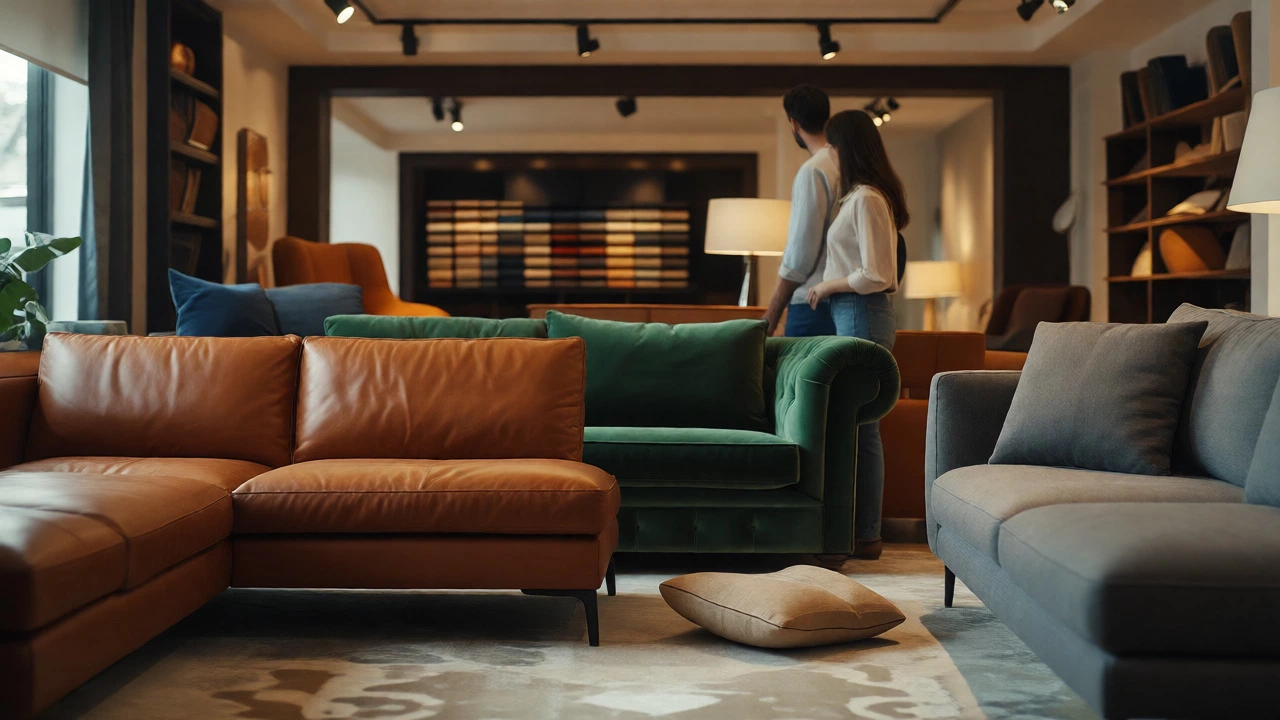
Never buy a sofa without testing it. Photos lie. Comfort is subjective. Here is a quick checklist to run through in the showroom:
- Sit Deeply: Lean back against the cushions. Does your lower back get support? Or do you slide forward?
- Check the Arms: Press down hard on the armrests. Do they wobble? Weak arms indicate a poor frame joint.
- Lift a Cushion: If possible, lift a seat cushion. Heavy means high-density foam. Light and fluffy might mean cheap polyester fill mixed with foam.
- Listen: Shake the sofa gently. Creaking wood sounds good (tight joints). Clicking plastic or metal sounds bad (loose hardware).
- Ask About Fabric: Request the Martindale rub count. Anything under 15,000 cycles is fragile. Over 20,000 is tough. Over 50,000 is commercial grade.
The Hidden Costs of Cheap Sofas
We all want a deal. But consider the total cost of ownership. A $600 sofa that needs replacing in three years costs $2,000 over nine years. A $2,500 sofa that lasts fifteen years costs $2,500. The expensive one was actually cheaper per year of use.
Also, factor in delivery fees. Some companies charge $150+ for delivery and assembly. Others include it. Always ask. And check the return policy. Shipping a bulky sofa back is expensive. Make sure you can inspect it upon arrival before signing off.
Verdict: Who Wins?
So, who sells the best sofas?
- For Longevity & Value: Joyce Furniture. The 10-year warranty and Australian craftsmanship offer peace of mind.
- For Style & Status: Nick Scali. If you want wow-factor and don’t mind the price tag.
- For Convenience & Trends: Temple & Webster. Great selection, fast shipping, decent quality if you read reviews.
- For Tight Budgets: Kmart. Functional, accessible, and easy to replace.
Your "best" sofa is the one that fits your life. If you have toddlers, go for durable, stain-resistant fabric from a local maker. If you host dinner parties, prioritize aesthetics from a designer brand. If you move every two years, buy cheap and enjoy it while it lasts.
Which sofa material lasts the longest?
Full-grain leather is generally the most durable natural material, lasting decades if maintained. For fabrics, synthetic microfibers and performance textiles with a high Martindale rub count (over 20,000) tend to outlast natural cotton or linen blends.
Is it better to buy a sofa online or in-store?
Buying in-store allows you to test comfort and inspect quality directly, which is crucial for expensive purchases. Online shopping offers wider selection and often lower prices due to reduced overheads, but carries the risk of returns being difficult and costly. Hybrid approaches, like viewing online then visiting a showroom, are ideal.
What is a good warranty for a sofa?
A minimum of one year is standard. Reputable manufacturers often offer 5 to 10 years on the frame. Be wary of warranties that cover only defects in materials but not normal wear and tear on cushions or fabric.
Do expensive sofas really last longer?
Generally, yes. Higher prices usually reflect better construction methods, such as hardwood frames instead of softwood or particleboard, and higher-density foams that resist sagging. However, price does not always equal quality; some brands charge a premium for branding rather than superior build.
Can I customize my sofa fabric?
Many Australian manufacturers like Joyce Furniture allow fabric customization. Major retailers like Nick Scali typically sell pre-selected colorways. Custom orders take longer to produce but ensure you get exactly the texture and color you want.