 8
Oct,2026
8
Oct,2026
Corner Sofa Fit Checker
Answer the questions below to see if a corner sofa is the right choice for your specific situation.
Result
You walk into a showroom, and the corner sofa grabs your attention. It looks massive, inviting, and perfect for movie nights with friends. You imagine yourself sinking into those cushions, legs stretched out, remote in hand. But then you get it home, and reality hits. The delivery crew struggles to get it through your front door. It dominates the room instead of anchoring it. Suddenly, that dream piece feels like a mistake.
While corner sofas are undeniably popular for maximizing seating capacity, they come with significant drawbacks that many buyers overlook. From rigid layout constraints to complex cleaning routines, these large sectionals can create more problems than they solve if not chosen carefully. This guide breaks down the real disadvantages so you can decide if a corner unit is right for your specific space.
The Layout Lock-In Problem
The biggest issue with corner sofas is their inflexibility. Unlike standard three-seaters or armchairs, which you can shuffle around whenever you want a change, a corner sofa dictates the room’s geometry. Once placed, it rarely moves because it is heavy, bulky, and often designed to fit snugly into a specific nook.
If you enjoy rearranging your furniture to refresh the vibe or accommodate different social setups, a corner sofa will frustrate you. You are essentially locked into one configuration. Want to host a party where people stand around? Good luck moving that beast. Need to clean behind it? Forget about it unless you have help. This lack of mobility means you must be absolutely certain about your floor plan before buying. In smaller Melbourne apartments, for instance, this permanence can make a compact living area feel static and cramped rather than cozy.
Space Perception vs. Reality
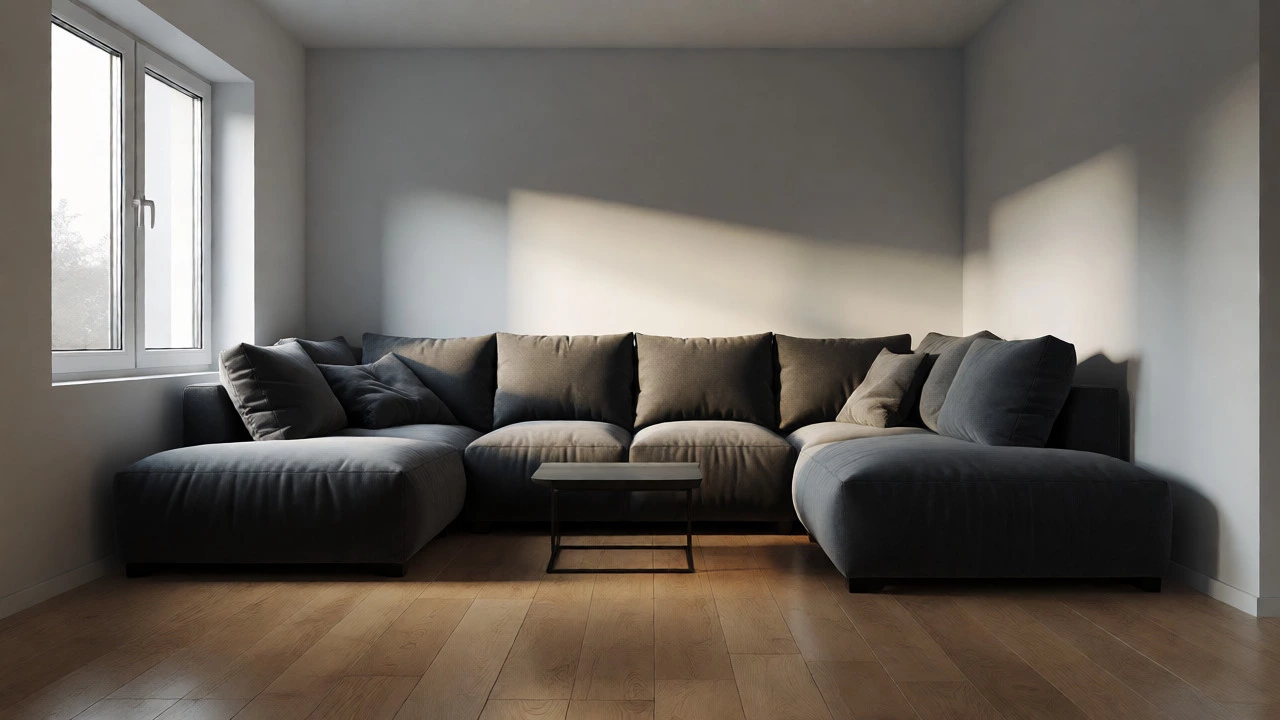
Marketers love selling corner sofas as "space-saving" solutions. Technically, they utilize dead corners effectively. However, visually, they consume a lot of horizontal space. A large L-shaped or U-shaped sectional can shrink the perceived size of a room, making it feel smaller than it actually is.
This happens because the sheer volume of upholstery blocks sightlines across the room. Instead of seeing an open flow from the entrance to the window, your eye hits a wall of fabric. If your living room is under 20 square meters, a corner sofa might overwhelm the space. You lose the ability to place other key pieces, like a coffee table, side tables, or even a rug, without creating clutter. The result is a room that feels stuffed rather than styled.
The Delivery and Access Nightmare
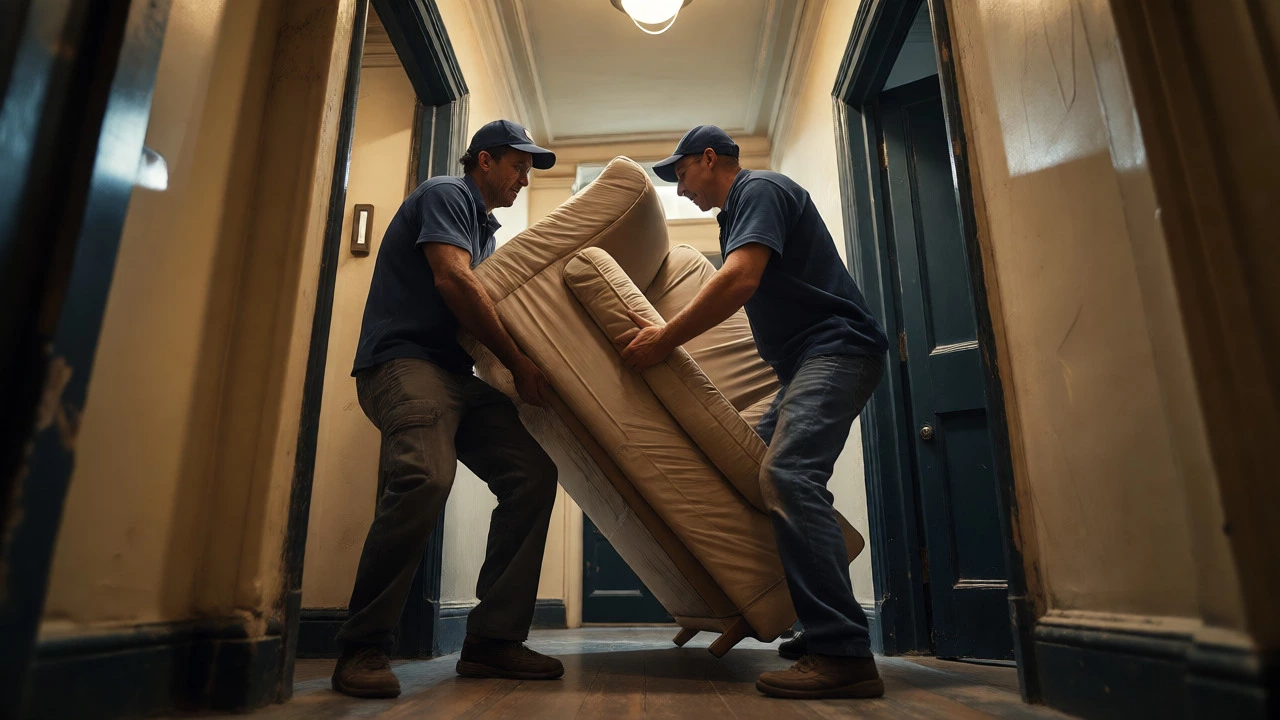
Have you ever tried to maneuver a two-meter-wide sofa through a narrow hallway? It is not fun. Corner sofas are notoriously difficult to deliver, especially in older homes with tight stairwells, sharp turns, or small elevators. Many retailers charge extra for specialized delivery services, and even then, there is no guarantee the piece will fit.
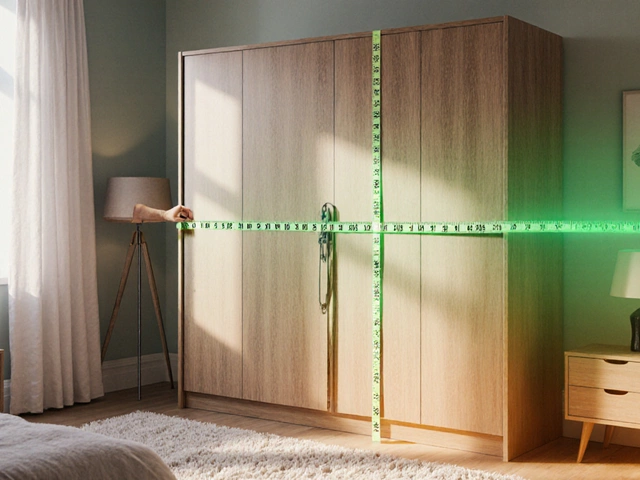
In Australia, where many homes feature heritage-style entryways or narrow corridors, this is a common pain point. You might spend hundreds on a premium sectional only to find it stuck in the hallway. Some modular options mitigate this by breaking into smaller chunks, but traditional fixed-frame corner sofas do not. Always measure every doorway, staircase landing, and elevator lift before committing. If you live in a high-rise, check the service lift dimensions; they are often smaller than you think.
Cleaning and Maintenance Challenges
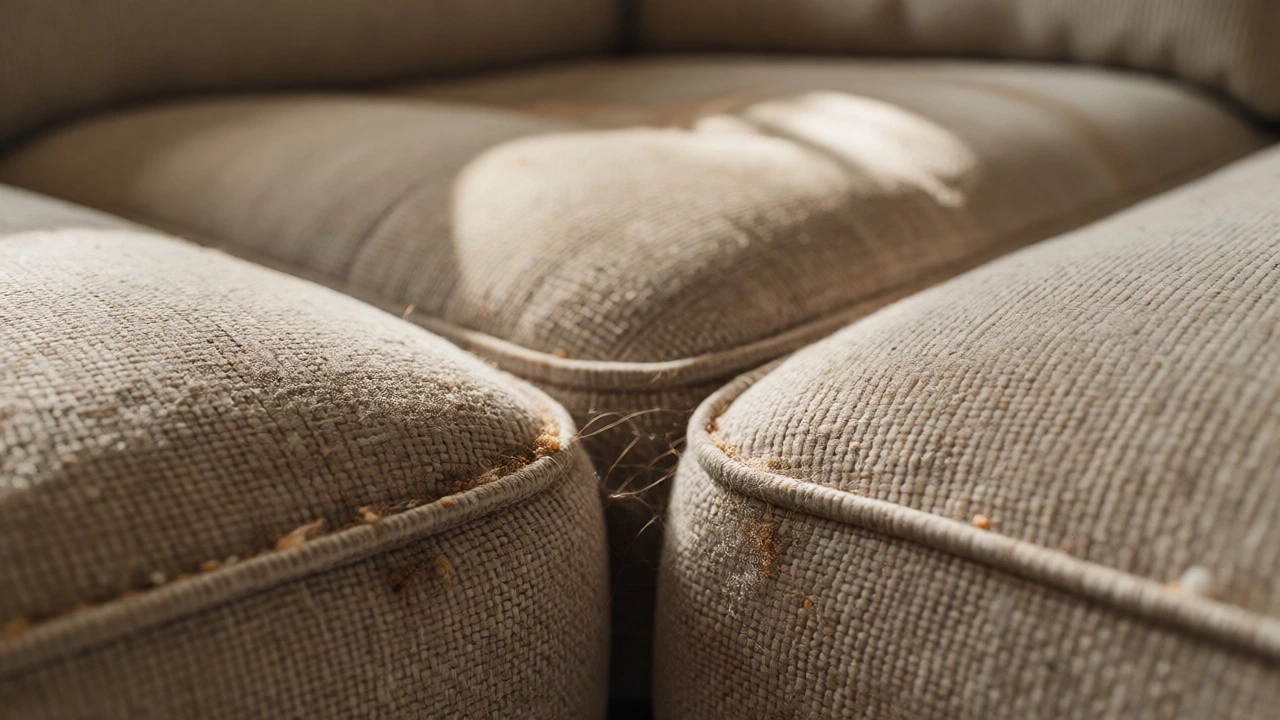
Dirt loves corners. Because corner sofas sit flush against walls and have deep crevices where the sections meet, they become traps for crumbs, dust, pet hair, and forgotten coins. Vacuuming around them is a hassle. You cannot simply slide them forward to clean underneath without lifting significant weight.
The seams between modules are particularly problematic. Over time, debris accumulates in the gap where the chaise meets the main seat. Unless you buy a model with removable covers or specialized vacuum attachments, this dirt stays put. For households with pets or children, this maintenance burden increases exponentially. Spills are also harder to spot in the shadowed areas of the corner, leading to potential staining if not addressed immediately.
Social Dynamics and Seating Comfort
We assume everyone loves sitting in the corner. In practice, the corner seat is often the least desirable. It faces away from the TV or conversation circle, forcing occupants to twist their necks to engage. Guests tend to avoid the far end of the chaise because it feels isolated from the group interaction.
Furthermore, corner sofas encourage lounging over active conversation. People sink in, stretch out, and disengage. While great for Netflix marathons, this setup can hinder face-to-face communication during dinner parties or family gatherings. If you prioritize social interaction in your living room, a circular arrangement of armchairs or a standard sofa with separate chairs often fosters better engagement than a monolithic sectional.
Cost and Resale Value Considerations
Quality corner sofas are expensive. You are paying for more fabric, more foam, and more wood. When you factor in the difficulty of moving them and their niche appeal, the resale value suffers. Selling a used corner sofa online is tough. Buyers are wary of shipping costs and access issues. You might list it at half price and still wait months for a buyer who has a compatible floor plan.
Compared to standard sofas, which have broader appeal, corner units limit your market. If you move house, you may find your new living room does not accommodate the same footprint, leaving you with a costly piece of furniture that no longer fits. This financial risk is higher than with modular systems that can be reconfigured or sold in parts.
| Feature | Corner Sofa | Standard Sofa |
|---|---|---|
| Layout Flexibility | Low (Fixed position) | High (Easily moved) |
| Delivery Difficulty | High (Often requires pro help) | Moderate (Usually DIY friendly) |
| Cleaning Effort | High (Hard to reach seams/underneath) | Low (Easy to slide/vacuum) |
| Resale Potential | Low (Niche buyer pool) | Medium-High (Broad appeal) |
| Room Size Requirement | Large (Needs breathing room) | Small to Medium |
Alternatives That Keep the Benefits Without the Hassle
If you love the idea of extra seating but hate the downsides, consider modular sofas. Brands like Castlery and Temple & Webster offer systems where you buy individual cubes or seats. You can build an L-shape today and split it into two straight sofas tomorrow. This solves the layout lock-in and delivery issues.
Another option is pairing a standard three-seater with a sturdy ottoman or pouf. An ottoman provides footrest functionality and extra seating when needed, but it weighs nothing compared to a sectional. You can move it anywhere, use it as a coffee table tray surface, and store it easily. This approach keeps your living room dynamic and adaptable, avoiding the permanent commitment of a corner unit.
Do corner sofas really save space?
Not necessarily. While they utilize corner areas efficiently, they occupy a large footprint that can make small rooms feel crowded. They save floor area compared to multiple separate sofas, but they consume visual space significantly.
Can I wash a corner sofa cover?
It depends on the model. Many leather or bonded fabric corner sofas have non-removable covers, requiring professional steam cleaning. Some fabric models offer zip-off covers, but washing large panels can be tricky due to shrinkage risks. Always check the care label first.
Why are corner sofas hard to sell?
They are bulky and difficult to transport. Buyers worry about fitting them through doors and stairs. Additionally, their fixed shape limits where they can go, reducing the pool of potential buyers compared to versatile standard sofas.
Are modular sofas better than fixed corner sofas?
For most people, yes. Modular sofas allow you to reconfigure the layout, replace damaged sections, and navigate tight spaces more easily. They cost more upfront but offer long-term flexibility that fixed frames lack.
How much clearance do I need for a corner sofa?
You should leave at least 75-90 cm of walking space around the perimeter. For the depth of the chaise, ensure you have enough room to walk behind it comfortably if it doesn't touch the wall. Measure twice to avoid blocking pathways.